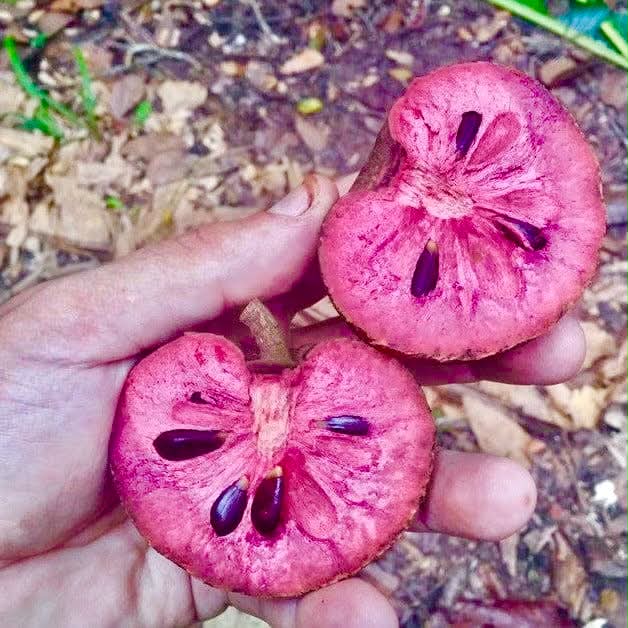
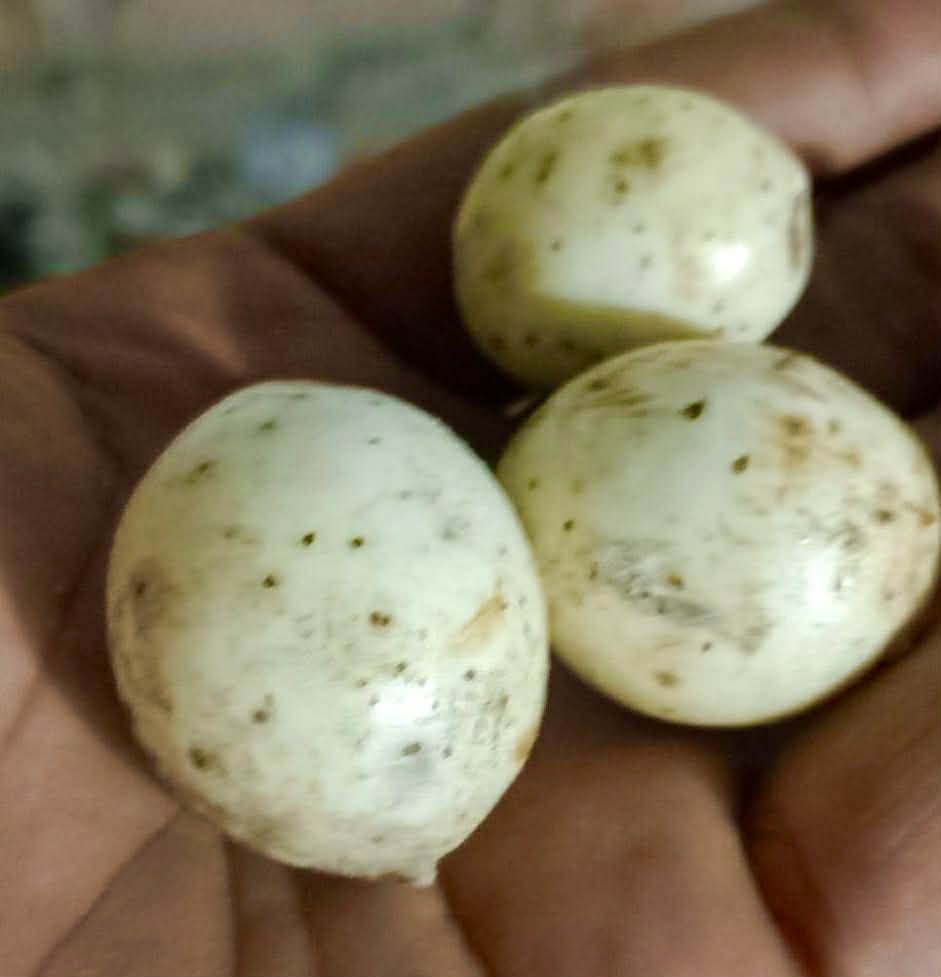
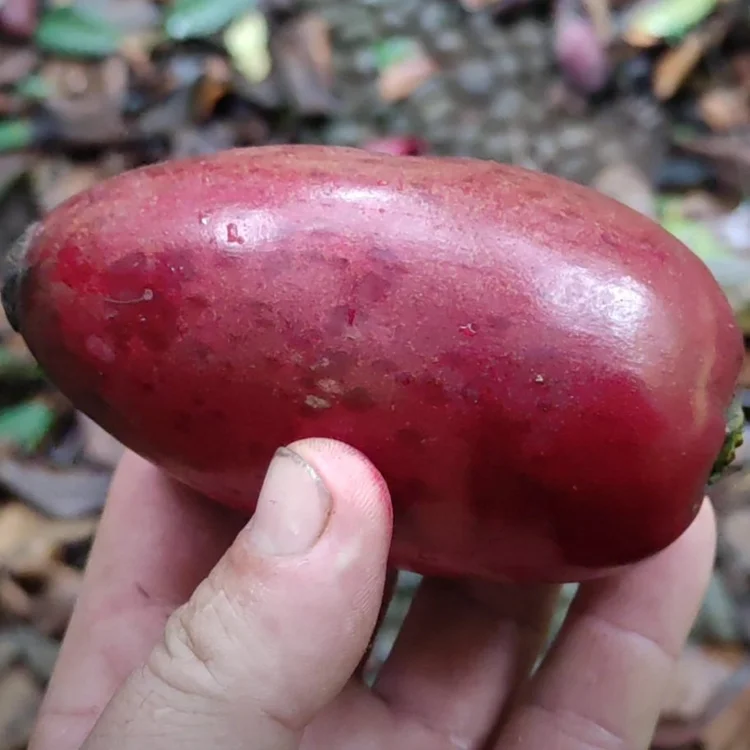
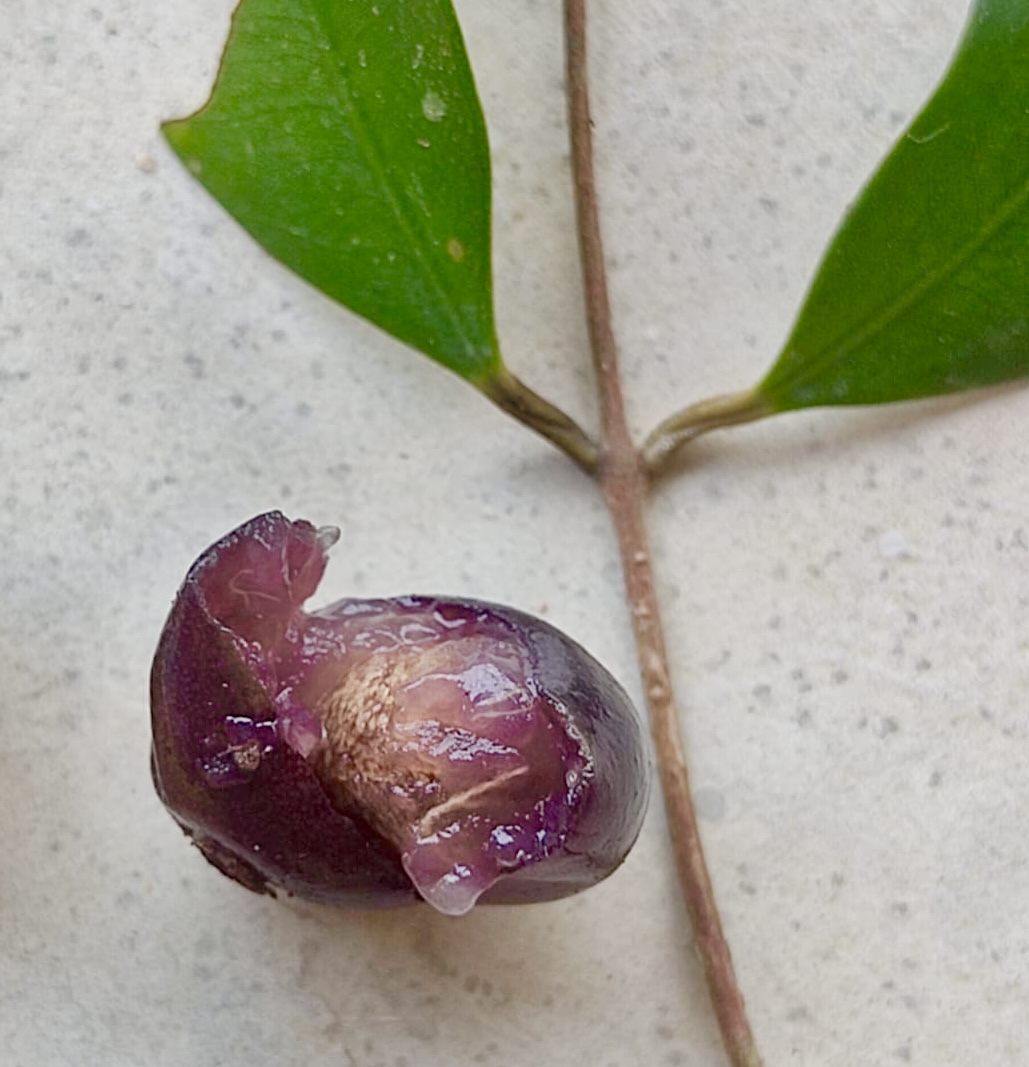
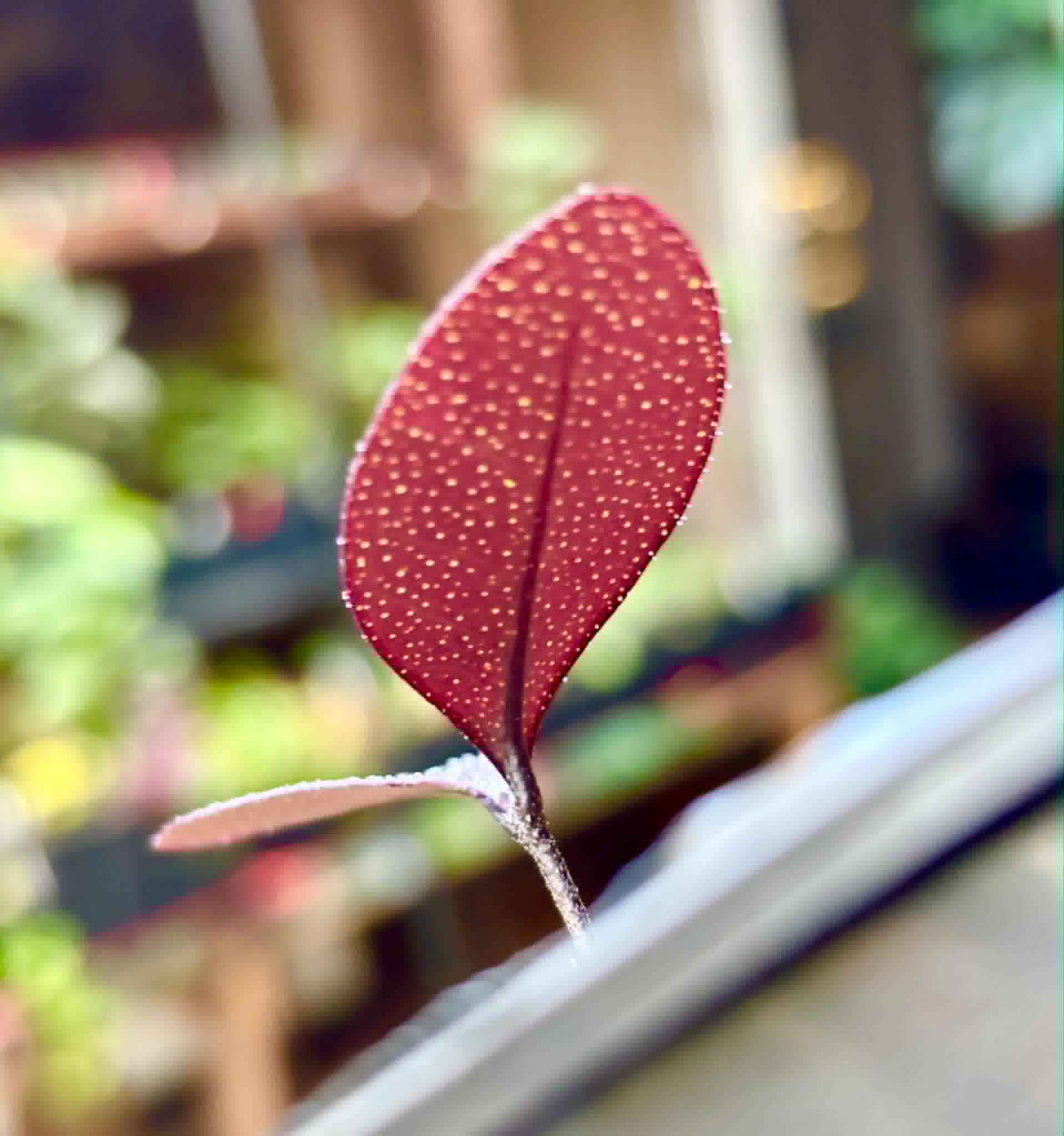
Fusea longifoliaFamily / Familie: Annonaceaeorigin from / Herkunft: Brasil / BrasilienClimate / Klima: warm (18-30C / 64-86F) / warm (18-30C / 64-86F)Use / Verwendung: edible fruits, juice, jam, ice cream, etc. / essbare Früchte, Säfte, Marmelade, Eis usw.you buy / sie kaufen: 1 germinated seed / 1 gekeimter SamenDelivery worldwideFusea longifolia / Pink Amazonian AnnonaceaeFusea longifolia is without a doubt one of the rarest, most mysterious, and highly sought-after wild species belonging to the Custard Apple family (Annonaceae).Native to the dense, pristine primary rainforests of the Amazon Basin in South America, this species is considered a true holy grail among botanical collectors worldwide.Botanically, Fusea longifolia forms a small to medium-sized rainforest tree adorned with elegant, elongated (longifolia) foliage and striking cream-yellow to greenish blossoms.The absolute crown jewel of this species is its fruit: beneath a greenish-brown rind lies a breathtaking, vibrant pink to magenta pulp offering a refined, sweet, and creamy flavor profile.Due to profound seed dormancy caused by hard seed coats, propagation is exceptionally challenging and typically requires specialized botanical techniques, such as gibberellic acid (GA3) treatment, to break dormancy after extended periods.Consequently, germinated seeds and established seedlings of Fusea longifolia represent an extraordinary rarity for high-end collectors and Annonaceae enthusiasts.To thrive, this species demands strictly tropical rainforest conditions: high atmospheric humidity, warm temperatures year-round, and a rich, slightly acidic, well-draining substrate.As a true equatorial Amazonian plant, Fusea longifolia is extremely cold-sensitive and must be kept warm continuously at a minimum temperature of 18 to 20 °C (64 to 68 °F).Fusea longifolia / Rosa Amazonas-AnnonaceaeDie Fusea longifolia ist eine der mit Abstand seltensten, geheimnisvollsten und begehrtesten Wildarten aus der Familie der Flaschenbaumgewächse (Annonaceae).Beheimatet in den dichten, unberührten Primärregenwäldern des Amazonasbeckens (Südamerika), gilt diese Art in botanischen Sammlungen und der Kultur weltweit als echte Legende.Botanisch wächst Fusea longifolia als kleiner bis mittelgroßer Regenwaldbaum mit eleganten, langgestreckten (longifolia) Blättern und auffällig geformten, cremegelben bis grünlichen Blüten.Das absolute Meisterwerk dieser Art ist die Frucht: Unter einer grünlich-braunen Hülle verbirgt sich ein spektakuläres, intensiv rosafarbenes bis violett-rotes Fruchtfleisch mit edlem, cremig-süßem Aroma.Aufgrund einer extrem tiefen physiologischen Keimruhe (Dormanz) der Hartschalensamen gilt die Anzucht als extrem anspruchsvoll und erfordert oft spezialisierte Behandlungen wie den Einsatz von Pflanzenhormonen (Gibberellinsäure / GA3), um die Keimung nach Monaten oder Jahren zu stimulieren.Etablierte Keimlinge und Sämlinge von Fusea longifolia stellen daher ein absolut exklusives Highlight für Hochleistungssammler und Annonaceen-Spezialisten dar.Für ein optimales Weiterwachsen benötigt die Art ein streng äquatorial-tropisches Mikroklima: sehr warme Temperaturen, konstant hohe Luftfeuchtigkeit und ein humusreiches, leicht saures und hervorragend drainiertes Substrat.Als rein tropische Regenwaldart ist Fusea longifolia extrem kälteempfindlich und muss ganzjährig warm bei mindestens 18 bis 20 Grad Celsius gepflegt und überwintert werden.
Annona crassiflora - MaroloFamily / Familie: Annonaceaeorigin from / Herkunft: Brasil / BrasilienClimate / Klima: temperate to warm (15-30C / 59-86F) / gemäßigt bis warm (15-30C / 59-86F) Use / Verwendung: edible fruits, juice, jam, ice cream, etc. / essbare Früchte, Säfte, Marmelade, Eis usw.you buy / sie kaufen: 1 germinated seed / 1 gekeimter SamenDelivery worldwideAnnona crassiflora, also known as Marolo, originates from the Cerrado region of Brazil and is highly prized for its delicious, creamy fruit.This plant is one of the most fascinating members of the Annona family, beloved by fruit enthusiasts and collectors alike.
The fruits of this Annona can weigh up to 3 kilograms, and are known for their rich, creamy flesh, which makes them perfect for eating fresh or using in desserts. The taste is sweet and aromatic — a true delicacy for anyone who loves exotic fruits.
The plants grow very slowly in the first three years, requiring some patience, but the reward is worth the wait. Care Instructions
Temperature: Overwinter at a minimum of +15 °C (59 °F).
Light: Prefers full sun to partial shade.
Watering: Keep the soil evenly moist, avoiding waterlogging.
Growth: Slow growth during the first few years, but great potential for future development.
Why Choose Annona crassiflora?
Delicious fruit – creamy, sweet, and aromatic, perfect for enjoyment.
Slow but rewarding growth – patience is rewarded with a bountiful harvest.
Freshest seeds – we guarantee the absolute freshness of our seeds.
A unique challenge for collectors – rare and extraordinary.
Add this Brazilian rarity to your collection and enjoy the exquisite fruits of Annona crassiflora — a true highlight for any garden or collection!
Die Annona crassiflora, auch bekannt als Marolo, stammt aus der Cerrado-Region in Brasilien und ist für ihre köstlichen, cremigen Früchte sehr geschätzt.Diese Pflanze gehört zu den faszinierendsten Arten innerhalb der Annona-Familie und ist besonders bei Fruchtliebhabern und Sammlern begehrt.
Die Früchte dieser Annona können bis zu 3 Kilogramm wiegen und zeichnen sich durch ein reichhaltiges, cremiges Fruchtfleisch aus, das sich hervorragend zum Verzehr oder für die Zubereitung von Desserts eignet. Der Geschmack ist süß und aromatisch, eine wahre Delikatesse für Feinschmecker.
Die Pflanzen wachsen in den ersten drei Jahren sehr langsam, was Geduld erfordert, aber die Belohnung ist jede Anstrengung wert. Pflegehinweise
Temperatur: Diese Annona sollte bei mindestens +15 °C überwintern.
Standort: Sonnig bis halbschattig, ideal für wärmebedürftige Pflanzen.
Gießen: Regelmäßig wässern, jedoch Staunässe vermeiden.
Wachstum: In den ersten Jahren langsam, danach jedoch mit mehr Wachstumspotential.
Warum Annona crassiflora?
Exquisite Frucht – cremig, süß und aromatisch, ideal für den Genuss.
Langsame, aber lohnende Entwicklung – Geduld wird mit einer großartigen Ernte belohnt.
Frischeste Samen – wir garantieren absolute Frische für Ihre Anzucht.
Eine besondere Herausforderung für Sammler – selten und einzigartig.
Holen Sie sich diese brasilianische Rarität und lassen Sie sich von den köstlichen Früchten der Annona crassiflora verwöhnen – ein wahres Highlight für Ihren Garten oder Ihre Sammlung!
Purple Forbes Mangosteen (Garcinia forbesii "Purple")
Family / Familie: Clusiaceaeorigin from / Herkunft: Asia / AsienClimate / Klima: warm (15-30C / 60-84F) / warm (15-30C / 60-84F) Use / Verwendung: edible fruits, juice, jam, ice cream, etc. / essbare Früchte, Säfte, Marmelade, Eis usw.you buy / sie kaufen: 1 fresh seed / 1 frischer Samen
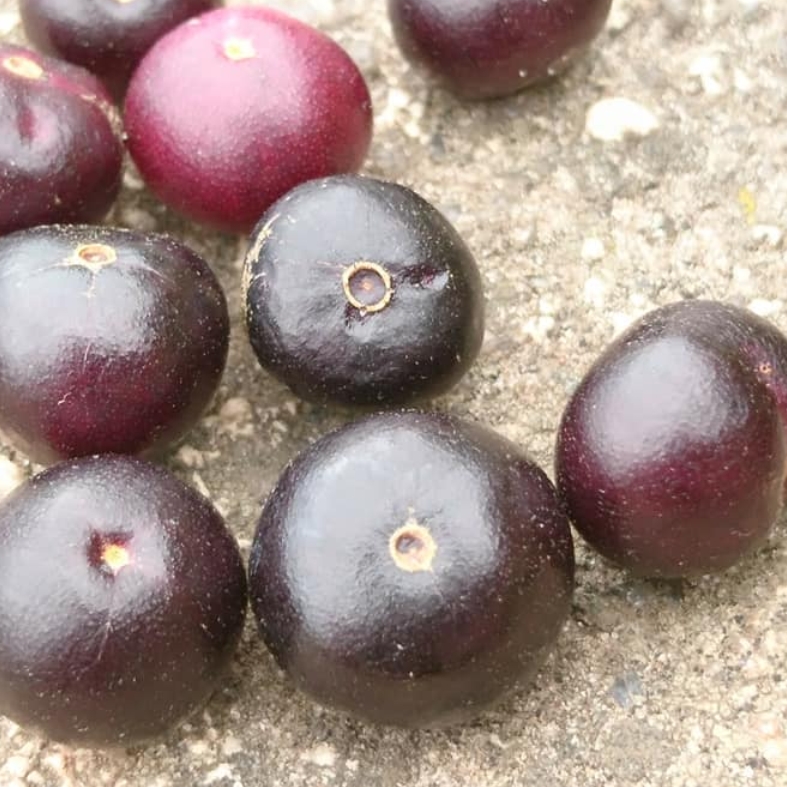
Delivery worldwidePre-order – these fresh seeds will be delivered in mid-November.Garcinia forbesii "Purple" / Purple Forbes MangosteenNo, this is not a regular Purple Mangosteen (Garcinia mangostana), even if it looks like one on the outside. This ultra-rare variety hailing from the lush tropical rainforests of Indonesia represents the highly sought-after purple-fruited form of Garcinia forbesii and stands as a holy-grail acquisition for collectors of rare Clusiaceae. Compared to the standard purple mangosteen, this botanical treasure is distinguished by a significantly thinner, easily peelable rind and a much more delicate persistent calyx. Botanically, the tree forms a compact, neatly structured habit lined with glossy, deep green leaves. Its spherical fruits mature into a rich, lustrous purple-magenta color that creates a striking visual display. Upon opening, the Purple Forbes Mangosteen reveals translucent, snow-white pulp segments that separate cleanly from the thin outer shell. On the palate, it delivers a top-tier eating experience: luscious, candy-like sweetness paired with a crisp, refreshing tropical acidity and a high pulp-to-rind ratio. Exhibiting greater vigor and adaptability than the notoriously finicky Garcinia mangostana, Garcinia forbesii "Purple" makes a far more rewarding subject for container cultivation. In culture, it represents a high-value showpiece specimen for warm conservatories or specialized tropical greenhouses. For optimal growth, it requires a bright, warm location protected from harsh midday sun alongside a well-draining, slightly acidic, organic-rich substrate kept consistently moist. As a true tropical rainforest species, it is sensitive to cold and must be overwintered in a bright, warm spot at a minimum temperature of 15 to 18 °C (59 to 64 °F).Vorbestellung - die Lieferung dieser frischen Samen erfolgt Mitte November.Garcinia forbesii "Purple" / Violette Forbes-MangostaneNein, das ist keine normale Purple Mangosteen (Garcinia mangostana) auch wenn sie äußerlich so aussieht. Diese extrem seltene Varietät aus den feuchten Tropenwäldern Indonesiens ist die seltene lila Fruchtausprägung der Garcinia forbesii und gilt unter Sammlern neotropischer und südostasiatischer Clusiaceen als eine der aufregendsten Entdeckungen der letzten Jahre. Im Vergleich zur bekannten echten Mangostane zeichnet sich diese biologische Rarität durch eine deutlich dünnere, leicht zu öffnende Schale sowie einen wesentlich zarteren Kelch aus. Botanisch wächst der kleine bis mittelgroße Baum sehr kompakt mit dicht stehendem, dunkelgrünem, leuchtendem Laubbild. Die kugeligen Früchte reifen zu einem faszinierenden, tiefen Purpurviolett aus und heben sich prächtig vom Laub ab. Im Inneren offenbart die Violette Forbes-Mangostane ihr saftiges, schneeweißes Fruchtfleisch, das sich mühelos von der dünnen Fruchtwand löst. Geschmacklich ist sie ein absolutes Highlight für Exotenfans: Sie bietet ein perfekt ausbalanciertes, intensiv fruchtiges Aroma mit spritziger Süße und erfrischender Tropennote – frei von dem oft hohen Schalenanteil herkömmlicher Arten. Dank ihrer kompakteren Wuchsform und der im Vergleich zur echten Mangostane deutlich höheren Vitalität ist Garcinia forbesii "Purple" wesentlich wuchsfreudiger und eignet sich hervorragend für die Kulturentwicklung im Sammlerbereich. In Kultur erweist sie sich als kostbare, hochbegehrte Edel-Rarität für das beheizte Tropengewächshaus oder den exklusiven Wintergarten. Für ein optimales Gedeihen bevorzugt sie einen sehr hellen, warmen Standort ohne pralle Mittagssonne sowie ein stark durchlässiges, leicht saures und humusreiches Substrat, das stets gleichmäßig feucht gehalten wird. Als rein tropische Regenwaldart ist sie frostempfindlich und muss an einem hellen Ort warm bei mindestens 15 bis 18 Grad Celsius überwintert werden.
Aglaia sp Papua
Family / Familie: Meliaceaeorigin from / Herkunft: PapuaClimate / Klima: temperate to warm (10-30C / 50-86F) / gemäßigt bis warm (10-30C / 50-86F)Use / Verwendung: edible fruits, juice, jam, ice cream, etc. / essbare Früchte, Säfte, Marmelade, Eis usw.you buy / sie kaufen: 1 fresh seed / 1 frischer Samen
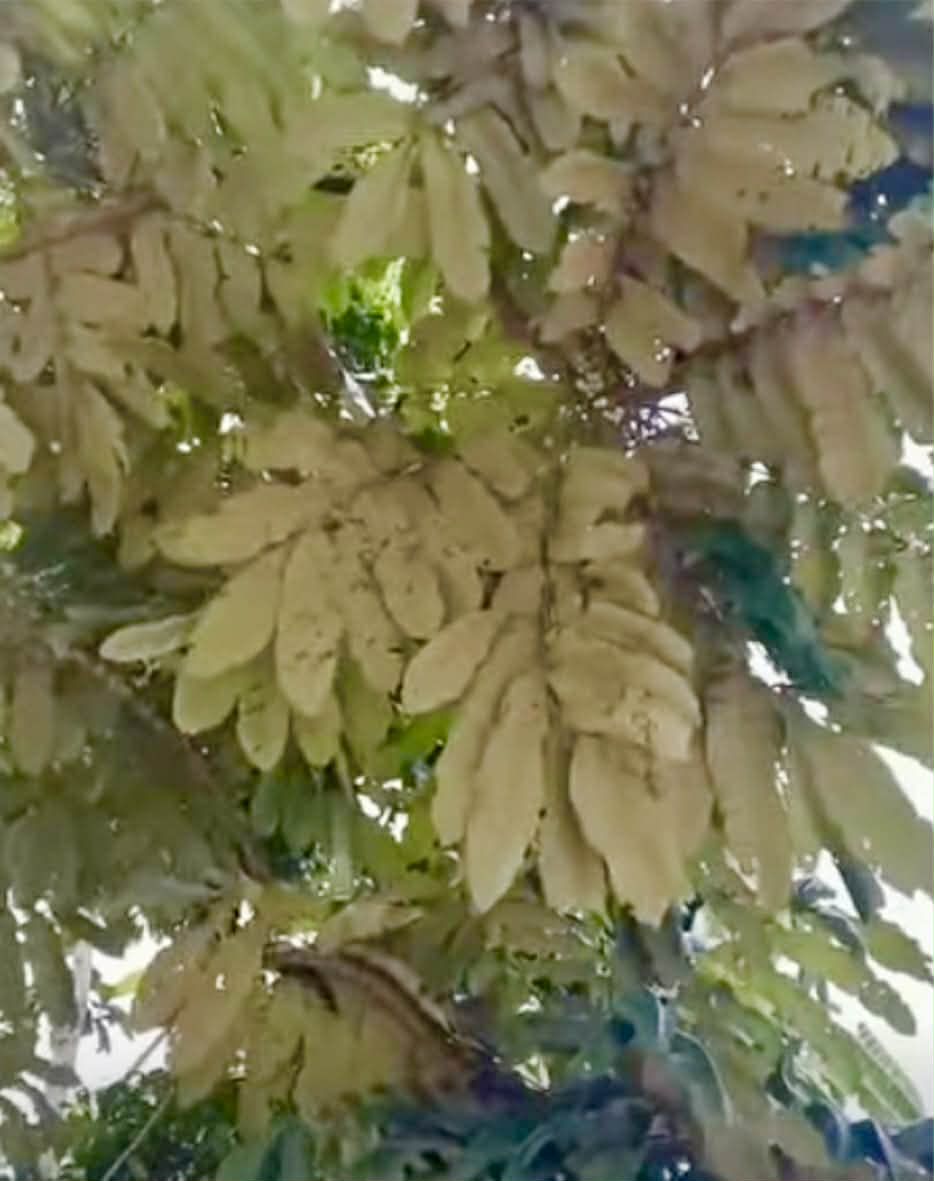
Delivery worldwidePre-order – these fresh seeds will be delivered in mid-November.Aglaia sp. Papua / New Guinea Giant-Leaf Lanzones relativeAglaia sp. Papua is an undescribed, extremely rare botanical treasure belonging to the Mahogany family (Meliaceae). Discovered in the pristine rainforests of Papua, this spectacular exotic plant initially resembles Aglaia argentea, but far surpasses it in both leaf size and fruit volume. A true showstopper is its massive, pinnate foliage, with individual leaves reaching up to one meter in length, coated underneath in a velvety, silvery-golden indumentum. The fruits are also significantly larger than those of related species, ripening in dense clusters with a firm, pale-colored outer rind. Inside, it reveals a translucent, juicy aril that is considered a culinary highlight—offering a complex, highly refreshing flavor fusion reminiscent of sweet Lanzones and Lychee blended with crisp Grapefruit and fine Grape notes. In cultivation, Aglaia sp. Papua forms an imposing, highly ornamental centerpiece with a majestic tropical silhouette. For optimal growth, it prefers a bright to semi-shaded location with high humidity, along with a nutrient-rich, well-draining, and consistently moist substrate. As a strictly tropical lowland rainforest species, it cannot tolerate any frost and must be overwintered in a bright, warm location at a minimum temperature of 12 to 15 °C (54 to 59 °F).Vorbestellung - die Lieferung dieser frischen Samen erfolgt Mitte November.Aglaia sp. Papua / Neuguinea-Riesenblatt-LanzonesDie Aglaia sp. Papua ist eine unbeschriebene, extrem seltene botanische Kostbarkeit aus der Familie der Mahagonigewächse (Meliaceae). Entdeckt in den unberührten Regenwäldern Papuas, ähnelt dieser spektakuläre Exot auf den ersten Blick der bekannten Aglaia argentea, übertrifft diese jedoch in sämtlichen Proportionen bei Weitem. Ein absoluter Blickfang sind die gigantischen, gefiederten Blätter, die eine Länge von bis zu einem Meter erreichen können und auf der Unterseite mit einem silbrig-goldenen, samtigen Schimmer überzogen sind. Auch die Früchte sind deutlich größer als bei verwandten Arten: Sie reifen an kompakten Fruchtständen heran und besitzen eine helle, fest-ledrige Schale. Das Innere verbirgt ein glasig-weißes, saftiges Fruchtfleisch (Arillus), das geschmacklich als eine der feinsten Entdeckungen gilt – eine fantastische Kombination aus der Süße von Lanzones und Lychee, abgerundet durch die erfrischende Note von Grapefruit und feiner Weintraube. In Kultur entwickelt sich Aglaia sp. Papua zu einem imposanten, höchst dekorativen Solitär mit majestätischem Wuchs und hohem Zierwert. Für ein optimales Gedeihen bevorzugt die Pflanze einen sehr hellen bis halbschattigen Standort bei hoher Luftfeuchtigkeit sowie ein nährstoffreiches, sehr gut durchlässiges Substrat, das stets feucht gehalten wird. Als reine Tiefland-Tropenpflanze verträgt sie keinerlei Frost und muss an einem hellen Ort warm bei mindestens 12 bis 15 Grad Celsius überwintert werden.
Garcinia latissima
Family / Familie: Clusaceaeorigin from / Herkunft: Borneo, IndonesiaClimate / Klima: warm (15-30C / 60-84F) / warm (15-30C / 60-84F) Use / Verwendung: edible fruits, juice, jam, ice cream, etc. / essbare Früchte, Säfte, Marmelade, Eis usw.you buy / sie kaufen: 1 fresh seed / 1 frischer Samen
Delivery worldwide
Pre-order – these fresh seeds will be delivered in mid-November.Garcinia latissima / Broad-Leaved Garcinia (Moluccan Mangosteen)Garcinia latissima is an extremely rare and visually spectacular wild species belonging to the Clusiaceae family. The native habitat of this exclusive tropical plant spans across the humid rainforests of Papua New Guinea and the Indonesian Moluccas. The species epithet latissima hints at the plant's most striking feature: it produces extraordinarily large, deep green, glossy, leathery leaves that give it an imposing, jungle-like appearance. In cultivation, this evergreen exotic can easily be maintained as an impressive container plant through light pruning. An absolute eye-catcher are its elongated-oval fruits, which turn a vibrant magenta to crimson red when fully ripe. The intensely colored, juicy pulp delights with a refreshing, pleasantly tart and fruity flavor with subtle sweetness, strongly reminiscent of related mangosteen species. For optimal growth, Garcinia latissima prefers a bright to semi-shaded location with high humidity along with a nutrient-rich, well-draining, and consistently moist substrate. As a strictly tropical rainforest plant, it cannot tolerate any frost and must be overwintered in a bright spot at a minimum temperature of 12 to 15 °C (54 to 59 °F).Vorbestellung - die Lieferung dieser frischen Samen erfolgt Mitte November.Garcinia latissima / Breitblättrige Garcinia (Moluken-Mangostane)Die Garcinia latissima ist eine extrem seltene und optisch spektakuläre Wildart aus der Familie der Clusiagewächse (Clusiaceae). Die ursprüngliche Heimat dieser exklusiven Tropenpflanze erstreckt sich über die feuchten Regenwälder Papua-Neuguineas und der indonesischen Molukken-Inseln. Der lateinische Artname latissima deutet bereits auf die auffälligste Eigenschaft der Pflanze hin: Sie bildet für die Gattung außergewöhnlich große, tiefgrüne und glänzend-ledrige Blätter aus, die der Pflanze ein imposantes, dschungelartiges Erscheinungsbild verleihen. In Kultur lässt sich der immergrüne Exot durch regelmäßigen Rückschnitt hervorragend als beeindruckende Kübelpflanze halten. Ein absoluter Hingucker sind die länglich-ovalen Früchte, die sich bei Vollreife in einem leuchtenden Magenta- bis Karmesinrot präsentieren. Das intensiv gefärbte, saftige Fruchtfleisch begeistert durch einen erfrischend-säuerlichen, fruchtigen Geschmack mit feiner Süße, der stark an verwandte Mangostanen-Arten erinnert. Für ein optimales Wachstum bevorzugt die Garcinia latissima einen hellen bis halbschattigen Standort mit hoher Luftfeuchtigkeit sowie ein nährstoffreiches, gut durchlässiges und stets leicht feuchtes Substrat. Als rein tropische Regenwaldpflanze verträgt sie keinerlei Frost und muss an einem hellen Ort bei einer Temperatur von mindestens 12 bis 15 Grad Celsius überwintert werden.
Red-Fleshed Durian (Durio graveolens)
Family / Familie: Malvaceaeorigin from / Herkunft: Indonesia / IndonesienClimate / Klima: temperate to warm (15-30C / 59-86F) / gemäßigt bis warm (15-30C / 59-86F)Use / Verwendung: edible fruits, juice, jam, ice cream, etc. / essbare Früchte, Säfte, Marmelade, Eis usw.you buy / sie kaufen: 1 fresh seed / 1 frischer Samen
Delivery worldwide
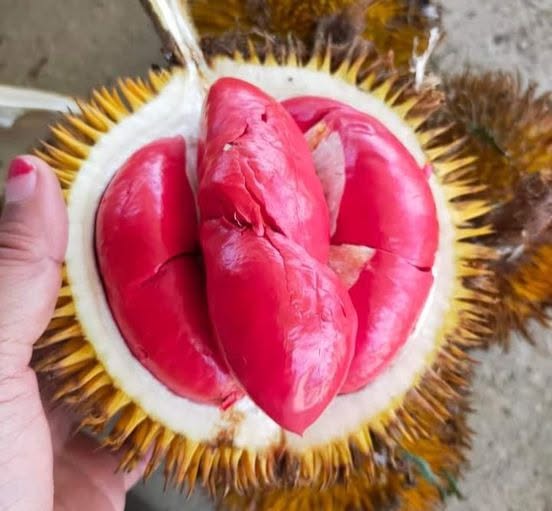
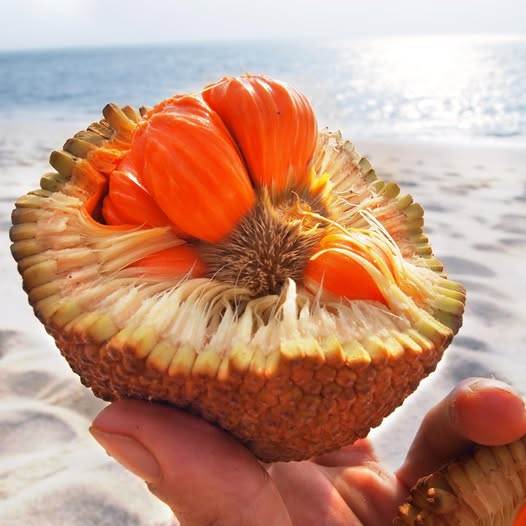
Pre-order – these fresh seeds will be delivered in mid-November.Durio graveolens / Red-Fleshed DurianDurio graveolens, locally known in Southeast Asia as Durian Merah or Red-Fleshed Durian, is a fascinating and rare wild species belonging to the Mallow family (Malvaceae).Native to the lush tropical rainforests of Borneo, Sumatra, and the Peninsular Malaysia, it stands out dramatically from the common cultivated durian.Botanically, this species produces relatively small, spherical fruits densely covered in bright orange-yellow to golden-brown spines that naturally split open on the tree upon maturity.The absolute visual highlight is the flesh (aril): it features a brilliant, deep crimson-red to raspberry-pink color that creates a striking contrast against the pale inner husk.In terms of flavor, Durio graveolens offers a rich, creamy texture with a mild, sweet, nutty, and slightly avocado-like taste profile, accompanied by a significantly milder and less pungent aroma compared to Durio zibethinus.Due to its extraordinary appearance and refined flavor, Durio graveolens is highly prized among exotic fruit collectors and rare plant enthusiasts worldwide.In cultivation, young plants require a consistently warm, brightly lit environment with high atmospheric humidity.The substrate must be organic-rich, slightly acidic, and exceptionally well-draining, as the roots are sensitive to excess water.As a strictly equatorial rainforest species, Durio graveolens is extremely cold-sensitive and must be kept warm year-round at a minimum temperature of 18 to 20 °C (64 to 68 °F).Vorbestellung - die Lieferung dieser frischen Samen erfolgt Mitte November.Durio graveolens / Rotfleischige DurianDie Durio graveolens, im malaiischen Raum auch als Durian Merah oder Durian Otak Udang Galah bekannt, ist eine faszinierende und seltene Wildart aus der Familie der Malvengewächse (Malvaceae).Beheimatet in den artenreichen Regenwäldern Borneos, Sumatras und der Malaiischen Halbinsel, unterscheidet sich diese Art eindrucksvoll von der gewöhnlichen Kultur-Durian.Botanisch zeichnet sich die Art durch relativ kleine, kugelige Früchte mit dichten, orangegelben bis braun-goldenen Stacheln aus, die bei Reife direkt am Baum aufplatzen.Das absolute Highlight ist das Fruchtfleisch (Arillus): Es besticht durch ein leuchtendes, intensiv karmesinrot bis himbeerrot gefärbtes Fruchtfleisch, das einen spektakulären Farbkontrast zur hellen Innenschale bildet.Geschmacklich bietet Durio graveolens ein cremig-feines, mild-süßes Aroma mit nussigen und leicht avocadoähnlichen Nuancen, gepaart mit einem deutlich dezenteren, weniger scharfen Geruch als bei Durio zibethinus.Aufgrund der außergewöhnlichen Optik und des feinen Geschmacks gilt Durio graveolens unter Exoten-Kennern und Raritätensammlern als eine der begehrtesten Wilddurians Südostasiens.Für ein optimales Gedeihen der jungen Pflanzen empfiehlt sich ein sehr warmer, hell erhellter Standort mit dauerhaft hoher Luftfeuchtigkeit.Das Substrat sollte humusreich, leicht sauer und hervorragend durchlässig sein, wobei Staunässe strikt zu vermeiden ist.Als rein equatorial-tropische Regenwaldart ist Durio graveolens extrem kälteempfindlich und muss ganzjährig warm bei mindestens 18 bis 20 Grad Celsius gepflegt und überwintert werden.
Syzygium jiewhoei
Family / Familie: Myrtaceaeorigin from / Herkunft: New Guinea / NeuguineaClimate / Klima: warm (15-30C / 60-84F) / warm (15-30C / 60-84F) Use / Verwendung: edible fruits, juice, jam, ice cream, etc. / essbare Früchte, Säfte, Marmelade, Eis usw.you buy / sie kaufen: 1 germinated seed / 1 gekeimter Samen
Delivery worldwide
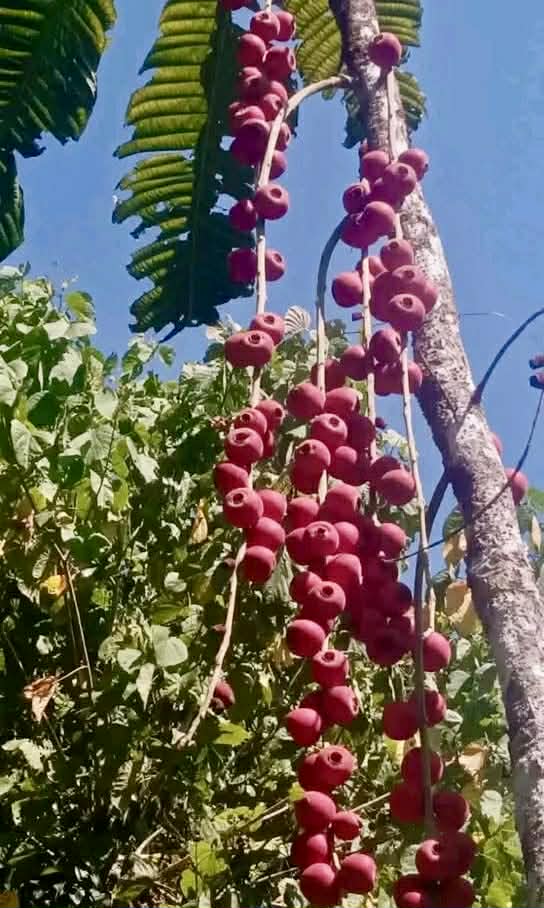
Pre-order – these fresh seeds will be delivered in mid-November.These are the genuine Jiewhoei – not fake seeds like those often sold elsewhere!Syzygium jiewhoei is widely considered one of the most spectacular, sought-after, and exclusive botanical discoveries of the modern era. First discovered in 2003 within the pristine rainforests of West Papua (Indonesia), it was named in honor of the renowned plant enthusiast and patron Tan Jiew Hoe. Among plant collectors globally, Syzygium jiewhoei is celebrated as the ultimate "Holy Grail" of the Myrtaceae family, boasting an unparalleled combination of sculptural foliage and extraordinary fruiting habits. Its massive, deep green leaves feature an intensely corrugated, heavily veined texture that resembles a living work of art. A true botanical marvel is its fruiting display: the vibrant pink fruits grow in dense clusters directly along the main trunk (cauliflory) as well as on long, whip-like trailing branches (flagelliflory) that hang down like strings of pearls from the canopy. The pale pulp is juicy and refreshing, carrying the aromatic, sweet-and-tart flavor profile of a premium roseapple. In cultivation, Syzygium jiewhoei grows as an elegant exotic plant, serving as the undisputed centerpiece of any high-end tropical collection. For optimal growth, it prefers a bright to semi-shaded location with high humidity, along with a nutrient-rich, well-draining, and consistently moist substrate. As a strictly tropical lowland rainforest species, it cannot tolerate any frost and must be overwintered in a bright, warm location at a minimum temperature of 12 to 15 °C (54 to 59 °F).Vorbestellung - die Lieferung dieser frischen Samen erfolgt Mitte November.Das sind die echten Jiewhoei - keine Fake Samen wie oft woanders verkauft!Die Syzygium jiewhoei gehört zu den spektakulärsten, begehrtesten und exklusivsten Entdeckungen der botanischen Neuzeit. Erst im Jahr 2003 wurde diese atemberaubende Art in den unberührten Regenwäldern West-Papuas (Indonesien) entdeckt und nach dem renommierten Pflanzensammler und Förderer Tan Jiew Hoe benannt. In Sammlerkreisen weltweit gilt Syzygium jiewhoei als der absolute „Heilige Gral“ unter den Myrtengewächsen, da sie eine unvergleichliche Kombination aus extremem Blattschmuck und spektakulärer Fruchtbildung vereint. Die riesigen, tiefgrünen Blätter besitzen eine außergewöhnlich stark geaderte, fast skulpturale Faltenstruktur, die an antike Kunstwerke erinnert. Ein botanisches Spektakel sind die leuchtend rosafarbenen Früchte: Sie wachsen nicht nur in dichten Büscheln direkt am Stamm (Kauliflorie), sondern bilden auch meterlange, peitschenartig herabhängende Fruchtstränge (Flagelliflorie), die wie lange Perlenschnüre von der Krone hinabgleiten. Das helle Fruchtfleisch ist saftig, erfrischend und besitzt das aromatische, leicht süßlich-säuerliche Aromaprofil einer edlen Roseapple. In Kultur wächst Syzygium jiewhoei als kompakter, eleganter Exot und stellt das unangefochtene Kronjuwel jeder anspruchsvollen Tropen- und Kübelpflanzensammlung dar. Für ein optimales Gedeihen benötigt die Pflanze einen sehr hellen bis halbschattigen Standort mit hoher Luftfeuchtigkeit sowie ein nährstoffreiches, gut durchlässiges und stets leicht feucht gehaltenes Substrat. Als reine Tiefland-Regenwaldpflanze verträgt sie keinerlei Frost und muss an einem hellen Ort bei warmen 12 bis 15 Grad Celsius überwintert werden.
Keledang (Artocarpus lanceifolius)
Family / Familie: Moraceaeorigin from / Herkunft: Asia / AsienClimate / Klima: temperate (15-30C / 64-86F) / gemäßigt (15-30C / 64-86F)Use / Verwendung: edible fruits, juice, jam, ice cream, etc. / essbare Früchte, Säfte, Marmelade, Eis usw.you buy / sie kaufen: 1 fresh seed / 1 frischer Samen
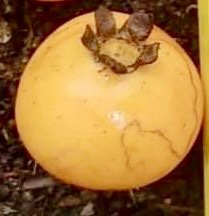
Delivery worldwidePre-order – these fresh seeds will be delivered in mid-November.Artocarpus lanceifolius / Keledang (Orange Keledang Fruit)Artocarpus lanceifolius, locally known as Keledang or Kledang, is a rare and highly prized wild fruit species belonging to the Mulberry family (Moraceae).Native to the primary and secondary lowland rainforests of Southeast Asia (particularly Borneo, Sumatra, Malaysia, and Thailand), it is widely considered a true crown jewel among tropical wild fruits.Botanically, the species forms a handsome evergreen tree developing an impressive canopy as it matures.The rounded to oval fruits feature a rough, brownish-orange rind and emit a sweet, pleasant fragrance upon ripening.Inside, the fruit reveals brilliant orange pulp (arils) enveloping the seeds, offering a juicy-firm to creamy-soft texture.In terms of flavor, Keledang is regarded as a rare delicacy: the pulp delivers a complex, rich sweetness with fruity notes reminiscent of mangosteen, apricot, and subtle passion fruit.In its native range, the fruit is prized for fresh consumption, while the durable, high-quality timber also holds traditional value.For optimal growth of young potted seedlings, Artocarpus lanceifolius prefers a warm, bright to partially shaded location with elevated atmospheric humidity.It requires a rich, slightly acidic, well-draining substrate kept consistently moist.As a strictly tropical rainforest species, it is cold-sensitive and must be overwintered in a bright, warm location at a minimum temperature of 15 to 18 °C (59 to 64 °F).Vorbestellung - die Lieferung dieser frischen Samen erfolgt Mitte November.
Artocarpus lanceifolius / Keledang (Orangefarbene Keledang-Frucht)Die Artocarpus lanceifolius, lokal als Keledang oder Kledang bekannt, ist eine seltene und begehrte Wildfrucht-Art aus der Familie der Maulbeergewächse (Moraceae).Beheimatet in den primären und sekundären Tieflandregenwäldern Südostasiens (insbesondere Borneo, Sumatra, Malaysia und Thailand), gilt sie unter Kennern als eine der absoluten geschmacklichen Kronjuwelen der tropischen Wildfrüchte.Botanisch wächst die Art als stattlicher, immergrüner Baum, der im Alter eine imposante Krone ausbildet.Die kugeligen bis ovalen Früchte besitzen eine rau strukturierte, bräunlich-orange Schale und verströmen bei Vollreife einen angenehm süßen, fruchtigen Duft.Im Inneren verbirgt sich ein leuchtend orangefarbenes Fruchtfleisch (Arillus), das die Samen umhüllt und eine saftig-feste bis cremig-weiche Textur aufweist.Geschmacklich gilt Keledang als edle Delikatesse: Das Fruchtfleisch bietet ein komplexes, intensiv süßes Aroma mit feineuropäischen Noten, die an eine harmonische Kombination aus Mangostane, Aprikose und edler Passionsfrucht erinnern.In ihren Herkunftsländern schätzt man die Früchte nicht nur frisch; auch das wertvolle, dauerhafte Holz des Baumes besitzt traditionelle Bedeutung.Für ein optimales Weiterwachsen der getopften Sämlinge bevorzugt Artocarpus lanceifolius einen warmen, hellen bis leicht schattierten Standort mit hoher Luftfeuchtigkeit.Das Substrat sollte humusreich, leicht sauer und stets feucht gehalten werden, wobei eine gute Drainage wichtig ist.Als rein äquatorial-tropische Regenwaldart ist sie sehr kälteempfindlich und muss an einem hellen Ort warm bei mindestens 15 bis 18 Grad Celsius überwintert werden.
Mouriri sp Nova Provisão
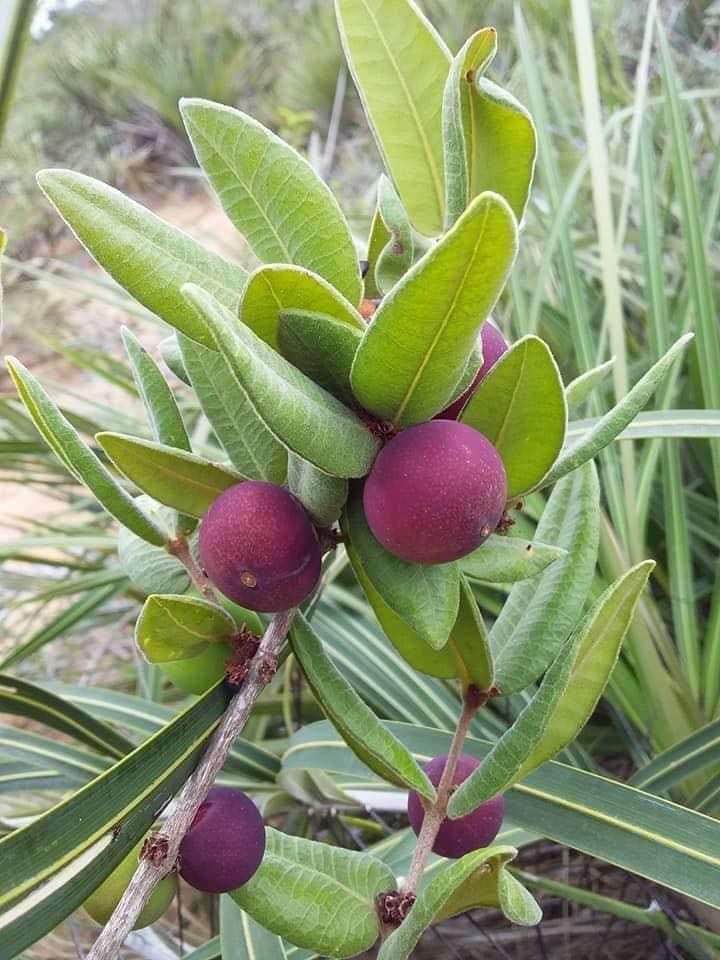
Family / Familie: Melastomataceaeorigin from / Herkunft: Bahia (Brasil) / Bahia (Brasilien)Climate / Klima: temperate to warm (10-25C / 50-77F) / gemäßigt bis warm (10-25C / 50-77F)Taste / Geschmack: very good taste / sehr guter Geschmackyou buy / sie kaufen: 1 potted plant / 1 getopfte PflanzeDelivery EU onlyMouriri sp. "Nova Provisão" – unknown, rare fruit with delicious fruits
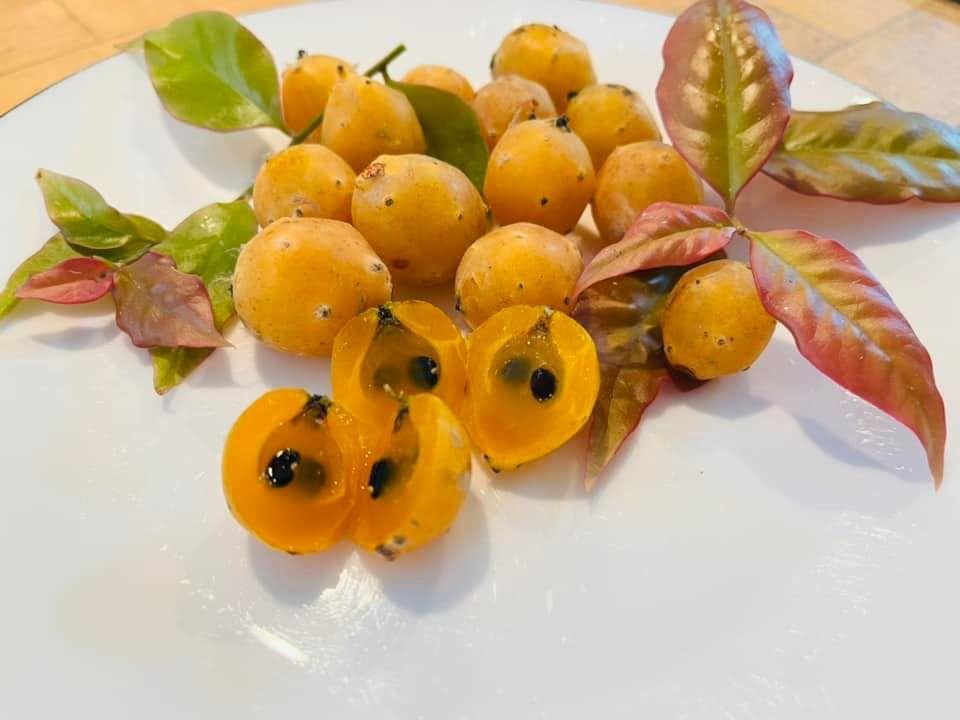
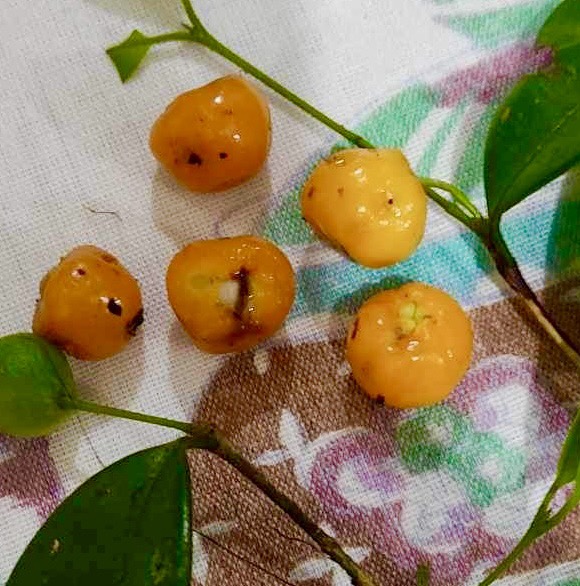
The Mouriri genus is highly appreciated among tropical fruit collectors for its excellent flavor. The dark-fruited Mouriri pusa is often compared to Jaboticaba in terms of taste.However, even rarer and equally delicious are the few known yellow-fruited Mouriri species.
This particular variety, Mouriri sp. "Nova Provisão", originates from the Uruçuca region in the Brazilian state of Bahia,nestled in the Atlantic rainforest – a hotspot for biodiversity and rare fruiting trees.
Highlights
Produces bright yellow fruits with a sweet, rich, and tropical flavor.
The tree is easy to care for, grows relatively quickly, and adapts well to pot cultivation.
With its dense foliage and attractive form, it is a beautiful addition to any exotic fruit collection.
Cultivation Tips
Prefers light, well-draining soil, regular watering, and a warm, bright environment.
Should be overwintered at a minimum of 10°C (50°F) and protected from cold or dry air.
ConclusionMouriri sp. "Nova Provisão" is a rare and flavorful gem, ideal for collectors of unique, tropical fruit trees. Its sweet yellow fruits and ease of cultivation make it a standout in any greenhouse or exotic garden.Mouriri sp. "Nova Provisão" – unbekanntes, seltenes Obst mit leckeren Früchten
Die Gattung Mouriri ist unter Liebhabern exotischer Früchte bekannt für ihren hervorragenden Geschmack – besonders die dunkle Art Mouriri pusa, die oft mit der Jaboticaba verglichen wird.Doch noch seltener und mindestens ebenso geschmackvoll sind die wenigen gelbfruchtigen Vertreter dieser Gattung.
Die hier vorgestellte Art, Mouriri sp. "Nova Provisão", stammt aus der Region Uruçuca im brasilianischen Bundesstaat Bahia – einem Gebiet mit reichem Artenreichtum im Atlantischen Regenwald.
Besonderheiten
Die leuchtend gelben Früchte sind süß, aromatisch und besitzen ein exzellentes, tropisches Geschmacksprofil.
Der Baum ist pflegeleicht, wächst relativ zügig und zeigt sich anpassungsfähig gegenüber verschiedenen Substraten.
Optisch ist er mit seinem dichten Laubwerk und kompakten Wuchs auch eine Zierde im Kübel oder Wintergarten.
Pflegehinweise
Diese Mouriri bevorzugt leichte, humose Erde, regelmäßig Wasser und einen warmen, hellen Standort.
Bitte bei mindestens 10 °C überwintern und vor Frost schützen.
FazitMouriri sp. "Nova Provisão" ist ein kulinarisches Highlight unter den tropischen Raritäten.Mit ihren gelben, aromatischen Früchten und ihrer Seltenheit ist sie eine wertvolle Ergänzung für jede Sammlung exotischer Obstgehölze.
Barbados Gooseberry - Pereskia aculeataFamily / Familie: Cactaceaeorigin from / Herkunft: South America / SüdamerikaClimate / Klima: temperate to warm (10-30C / 50-84F) / gemäßigt bis warm (10-30C / 50-84F)Use / Verwendung: edible fruits, juice, jam, ice cream, etc. / essbare Früchte, Säfte, Marmelade, Eis usw.you buy / sie kaufen: 1 potted plant / 1 getopfte PflanzeDelivery worldwidePereskia aculeata – Barbados Gooseberry with Tropical Flair
One of the most ornamental species within the Pereskia genus (now often classified under Leuenbergeria). This rare leaf cactus is a unique blend of beauty, utility, and botanical intrigue.
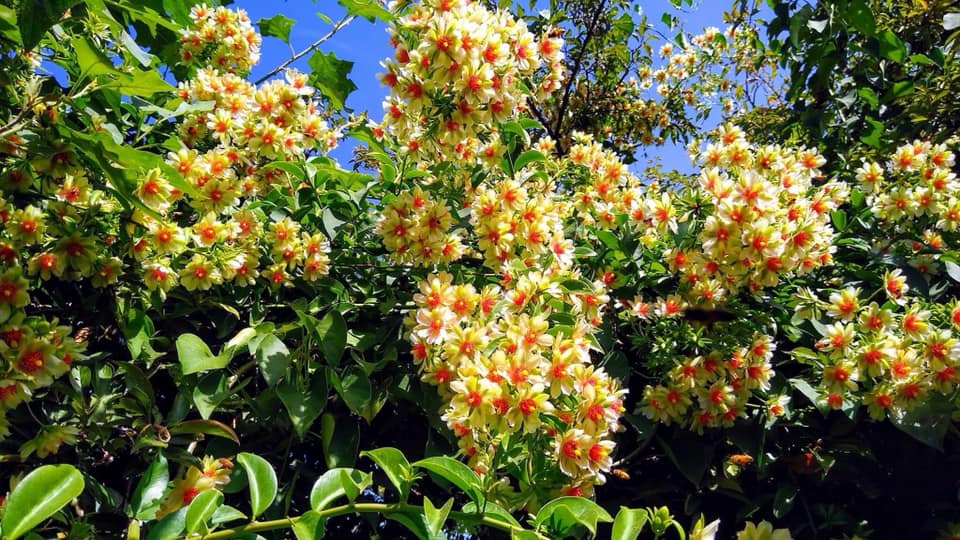
A Leafy Cactus with Vibrant FlowersUnlike most cacti, Pereskia aculeata has broad, soft leaves, sometimes variegated, giving it a lush, tropical appearance. The striking orange to red flowers are especially eye-catching, adding vivid color to any collection or greenhouse.
Edible, Tangy Fruits – The Barbados GooseberryFollowing the blooms, this plant produces round, yellow fruits that are edible and pleasantly tart. They can be enjoyed fresh or used in juices, preserves, chutneys, or sauces, making this plant both decorative and productive.
Vigorous and Easy to GrowThis variety grows quickly under the right conditions and can be trained as a climbing vine or grown in pots. It prefers bright light, warmth, and regular moisture, making it ideal for greenhouses, tropical gardens, or sunny indoor spaces.
Overwintering RequirementsKeep this plant at a minimum of 10°C (50°F) during winter. Water less during colder months but don’t allow the root system to dry out completely.
NoteA rare and underrated plant with stunning foliage, vibrant flowers, and tangy fruit – a true collector’s item for those who appreciate the unusual side of the cactus family.
Pereskia aculeata – Barbados Gooseberry mit Zierwert & Fruchtgenuss
Diese außergewöhnliche blattsukkulente Kaktusart gehört zu den zierlichsten Vertretern der Gattung Pereskia. Heute meist als Leuenbergeria geführt, sie vereint tropisches Flair, leuchtende Blüten und essbare Früchte in einer seltenen Pflanze.
Ein Kaktus mit Blättern – und mit StilIm Gegensatz zu den meisten Kakteen besitzt Pereskia aculeata weiche, dekorative Blätter. Die je nach Lichteinfall und Nährstoffversorgung grün bis panaschiert erscheinen. Die intensiv orange bis rötliche Blüte ist ein echter Blickfang und bringt exotische Farben ins Gewächshaus oder auf den Balkon.
Essbare, saure Früchte – die Barbados GooseberryNach der Blüte bildet die Pflanze gelbe, kugelige Früchte, die essbar und angenehm säuerlich im Geschmack sind. Sie können frisch verzehrt oder zu Chutneys, Säften und Marmeladen verarbeitet werden.
Robust und pflegeleicht mit tropischem TouchDiese selten kultivierte Varietät ist pflegeleicht und liebt helle, warme Standorte. Unter guten Bedingungen wächst sie zügig und kann als Kletterpflanze oder im Topf gezogen werden. Ideal für tropische Gärten, Gewächshäuser oder sonnige Fensterplätze.
ÜberwinterungBitte die Pflanze bei mindestens 10 °C überwintern, da sie kälteempfindlich ist. Während der Winterruhe weniger gießen, aber nicht vollständig austrocknen lassen.
HinweisEin echter Geheimtipp für Sammler: dekorativ, nützlich und außergewöhnlich in Wuchs und Erscheinung. Ein tropischer Kaktus ganz ohne Dornencharakter.
Myrciaria caerulescens (Roxa - Blue Guaquiea)
Family / Familie: Myrtaceaeorigin from / Herkunft: Brasil / Brasilien Climate / Klima: temperate to warm (15-30C / 59-86F) / gemäßigt bis warm (15-30C / 59-86F)Use / Verwendung: edible fruits, juice, jam, ice cream, etc. / essbare Früchte, Säfte, Marmelade, Eis usw.you buy / sie kaufen: 1 potted seedling / 1 getopfter SämlingDelivery EU onlyThis plant is already accustomed to soil and is beginning to push out new leaves!Myrciaria caerulescens – formerly known as Myrciaria sp. roxa or Blue Guaquiea – is a fascinating discovery among exotic fruit plants.In 2024, it finally received its scientific name.The flavor of its fruits is said to even surpass the popular Jaboticaba.Origin and LocationThe plant is native to the Caetité region in the Brazilian state of Bahia, where a warm climate and a pronounced dry season prevail.The soil there is rich in iron and contains a lot of quartz sand.Cultivation and CareFertilization: No fertilizer required or recommended.Light: A bright location without direct midday sun is ideal.Temperature: Overwinter at least 15°C.Growth: Slow growth initially; later, a compact shrub, very suitable for container cultivation.Special CharacteristicsFruit: Excellent flavor – even better than Jaboticaba.Please overwinter this plant at least 10°C.Diese Pflanze ist bereits an Erde gewöhnt und beginnt neue Blätter zu schieben!Die Myrciaria caerulescens – früher bekannt als Myrciaria sp. roxa oder Blue Guaquiea – ist eine faszinierende Entdeckung unter den exotischen Fruchtpflanzen. Im Jahr 2024 erhielt sie endlich ihren wissenschaftlichen Namen. Der Geschmack ihrer Früchte soll die beliebte Jaboticaba sogar übertreffen.Herkunft und StandortDie Heimat der Pflanze ist die Region Caetité im brasilianischen Bundesstaat Bahia, wo ein warmes Klima und eine ausgeprägte Trockenzeit herrschen. Der Boden dort ist eisenhaltig und enthält viel Quarzsand.Kultur und PflegeDüngung: Kein Dünger erforderlich oder empfohlen.Licht: Ein heller Standort ohne direkte Mittagssonne ist ideal.Temperatur: Überwinterung bei mindestens 15 °C.Wachstum: Anfangs langsames Wachstum; später kompakter Strauch, sehr gut für die Kübelkultur geeignet.Besondere EigenschaftenFrucht: Hervorragender Geschmack – noch besser als Jaboticaba.Bitte diese Pflanze bei mindestens 10 Grad überwintern.
Eugenia sp Amarela Redonda
Family / Familie: Myrtaceaeorigin from / Herkunft: Brasil / BrasilienClimate / Klima: temperate to warm (10-30C / 50-86F) / gemäßigt bis warm (10-30C / 50-86F)Use / Verwendung: edible fruits, juice, jam, ice cream, etc. / essbare Früchte, Säfte, Marmelade, Eis usw.you buy / sie kaufen: 1 potted seedling / 1 getopfter Sämling
Delivery EU only
Eugenia sp. "Amarela Redonda" – A True Rarity from the Atlantic Rainforest
This still undescribed Eugenia species truly deserves the title "rarity". It was discovered by chance in the Atlantic Rainforest of Bahia, Brazil, and has not yet been given a scientific name.Even at the seedling stage, its uniqueness is clear:The leaf coloration is extraordinary, with a delicate pink hue in the young foliage – something rarely seen in the genus.Key Features:Yellow, round fruits with juicy, sweet pulpNo astringency – very pleasant to eat freshStriking pink-tinted new leavesA true gem for collectors of rare tropical fruit treesCultivation:Thrives in warm, bright conditions with moderate humiditySuitable for container growingOverwinter at a minimum of 10°C (50°F); protect from cold and frostEugenia sp. "Amarela Redonda" – Eine echte Rarität aus dem Atlantischen Regenwald
Diese bisher unbeschriebene Eugenia-Art trägt den Begriff "Rarität" vollkommen zu Recht. Sie wurde zufällig im atlantischen Regenwald von Bahia, Brasilien, entdeckt und ist bislang wissenschaftlich nicht beschrieben.Bereits an den jungen Pflanzen erkennt man ihre Besonderheit:Die Blattzeichnung ist außergewöhnlich – mit einem zarten Rosaton, wie man ihn bei keiner anderen Eugenia bisher gesehen hat.Merkmale:Gelbe, runde Früchte mit saftigem, süßem FruchtfleischKeine Adstringenz – die Früchte sind angenehm zu essen, direkt aus der HandEinzigartige Blattfärbung bei jungen AustriebenPerfekt für Sammler seltener und schöner Eugenia-ArtenKultivierung:Bevorzugt hell und warm, am besten mit etwas LuftfeuchtigkeitEignet sich gut für die TopfkulturÜberwinterung bei mindestens 10 °C, vor Kälte und Frost schützen
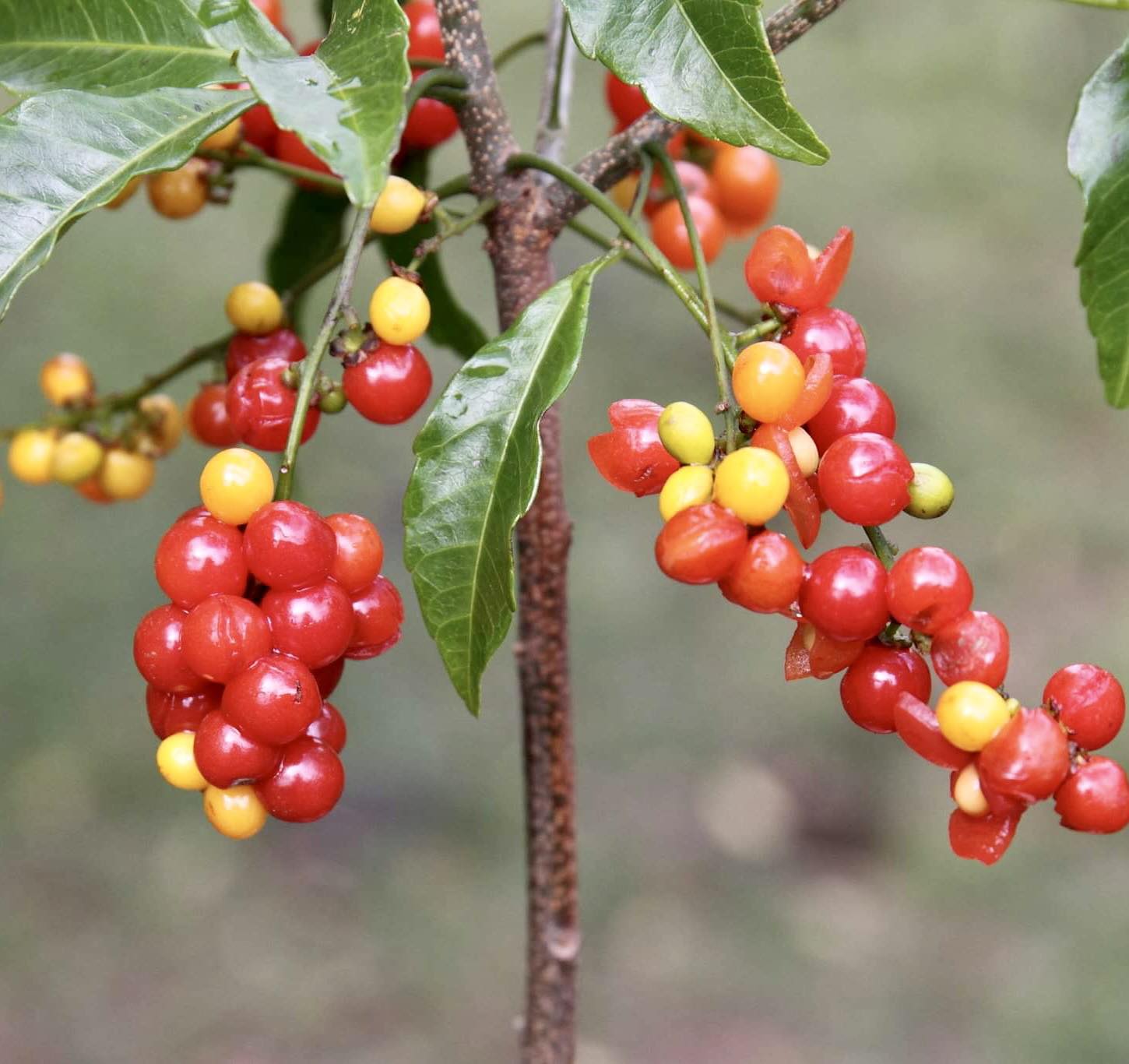
Eugenia sp. Pitanga ItobiraFamily / Familie: Myrtaceae origin from / Herkunft: Brasil / BrasilienClimate / Klima: temperate to warm (15-30C / 59-86F) / gemäßigt bis warm (15-30C / 59-86F)Use / Verwendung: edible fruits, juice, jam, ice cream, etc. / essbare Früchte, Säfte, Marmelade, Eis usw.you buy / sie kaufen: 1 potted seedling / 1 getopfter SämlingDelivery EU onlyEugenia sp. "Pitanga Itobira" is a particularly compact wild form of Pitanga native to the rocky regions of Bahia.This rarity naturally remains a rather small tree, making it an ideal choice for long-term container cultivation or limited spaces. The name "Itobira" is derived from Tupi-Guarani, referring to the stony or rocky habitat of its origin. Despite the small size of the tree, the fruits are a true taste experience, captivating with their pronounced sweetness. The bright red fruits feature a smooth, glossy skin and the juicy, aromatic pulp typical of Eugenias. Our photos clearly show how decoratively the fruits hang from the delicate branches. This wild species combines high ornamental value with excellent fruit quality in a very compact form. For healthy growth and abundant flowering, the plant should be placed in a sunny to partially shaded spot. Overwintering should be bright and frost-free at temperatures of at least 10°C (50°F).
Eugenia sp. „Pitanga Itobira“ ist eine besonders kompakte Wildform der Pitanga, die in einer felsigen Region Bahias beheimatet ist.Diese Rarität bleibt als Baum von Natur aus eher klein und ist daher eine ideale Wahl für die dauerhafte Kultur im Kübel oder in begrenzten Räumlichkeiten. Der Name „Itobira“ leitet sich aus dem Tupi-Guarani ab und verweist auf das steinige oder felsige Habitat ihres Ursprungs. Trotz der geringen Größe des Baumes sind die Früchte ein echtes Geschmackserlebnis und bestechen durch eine ausgeprägte Süße. Die leuchtend roten Früchte haben eine glatte, glänzende Schale und das für Eugenien typische, saftig-aromatische Fruchtfleisch. Auf unseren Fotos ist gut zu erkennen, wie dekorativ die Früchte an den feinen Zweigen hängen. Diese Wildart vereint einen hohen Zierwert mit exzellenter Fruchtqualität auf kleinstem Raum. Für ein gesundes Wachstum und eine reiche Blüte sollte die Pflanze an einem sonnigen bis halbschattigen Platz stehen. Die Überwinterung sollte hell und frostfrei bei Temperaturen von mindestens 10 Grad Celsius erfolgen.
Eugenia sp Labisia
Family / Familie: Myrtaceaeorigin from / Herkunft: Bahia Brasilia / Bahia Brasilien Climate / Klima: temperate to warm (10-25C / 50-77F) / gemäßigt bis warm (10-25C / 50-77F)Use / Verwendung: edible fruits, juice, jam, ice cream, etc. / essbare Früchte, Säfte, Marmelade, Eis usw.you buy / sie kaufen: 1 potted plant / 1 getopfte Pflanze
Delivery EU onlyEugenia sp. 'Labisia'
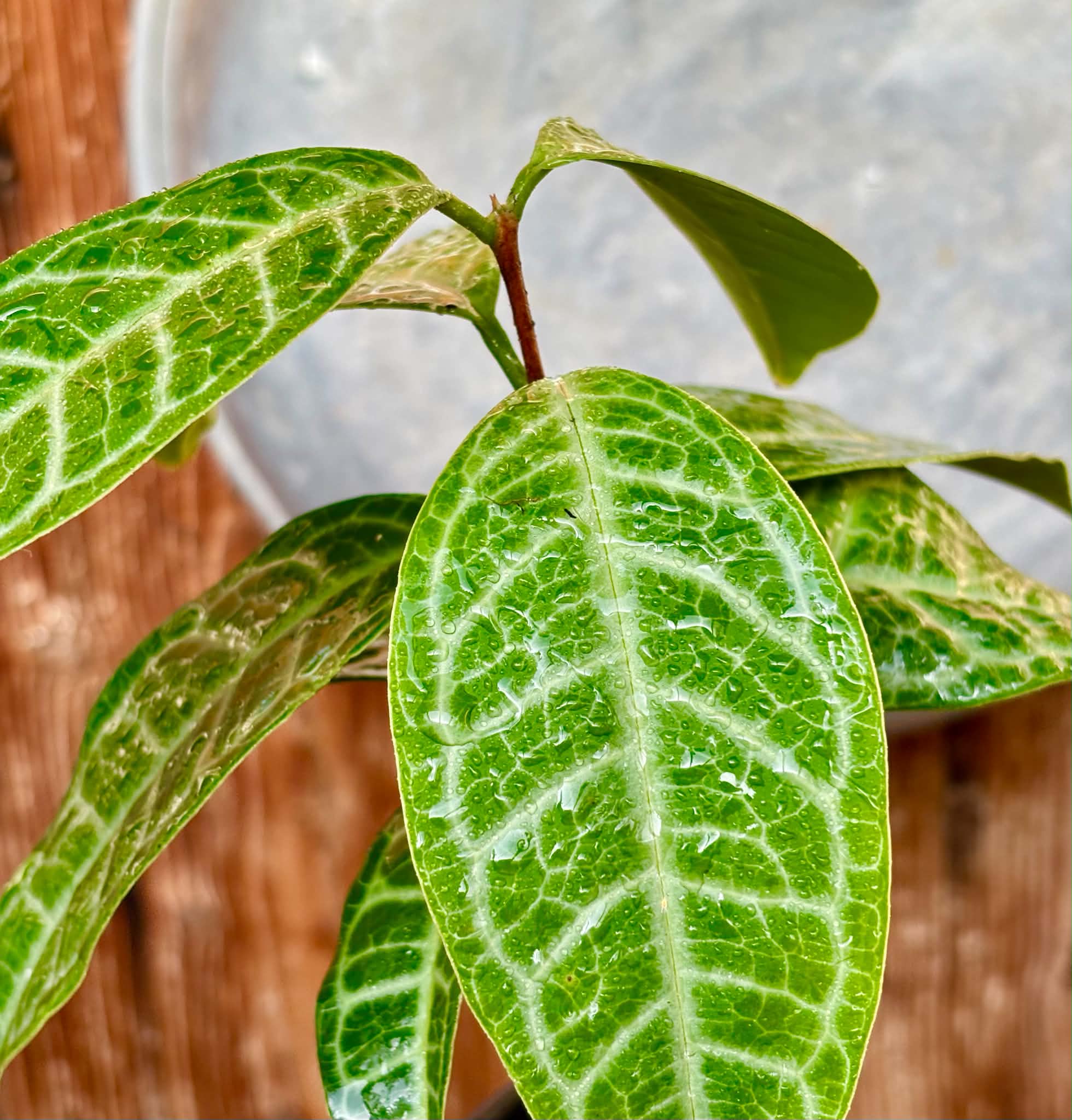
Discovered only a few years ago near Itacaré in Bahia, Brazil, this newly identified Eugenia species is making waves among tropical plant collectors. What makes it truly remarkable is the stunning leaf pattern on new growth, which resembles plants from the genus Labisia –giving rise to its provisional name, Eugenia sp. 'Labisia'.
Fresh from the Wild – A Rare FindWe offer seeds collected directly from the wild population in coastal Bahia. This species is virtually unknown in cultivation, making it an exclusive addition for collectors of exotic and newly discovered fruiting plants.
Bright Orange Fruits with Creamy SweetnessThe vibrant orange fruits, ranging up to 5 cm in size, are very sweet, with a creamy, fragrant flavor. They can be enjoyed fresh off the plant or used in desserts, juices, or preserves. The flavor is both distinctive and highly appealing.
Fast-Growing and Easy Under Warm ConditionsWhen provided with warm temperatures and high humidity, Eugenia sp. 'Labisia' is vigorous and easy to grow. While the striking foliage pattern fades on mature leaves, the spring flush reliably brings back the beautiful markings each year, making it a living spectacle.
Care & OverwinteringThis plant thrives in a bright, protected environment with consistent moisture and good drainage. It should be kept at a minimum of 10°C (50°F) during the winter months, as it is sensitive to cold.
Eugenia sp. 'Labisia'
Diese außergewöhnliche Eugenia aus Bahia (Brasilien) begeistert nicht nur mit ihren leuchtenden Früchten, sondern vor allem durch ihren einzigartigen Blattschmuck: Die jungen Austriebe zeigen eine markante Musterung, die stark an die Gattung Labisia erinnert – daher der vorläufige Name Eugenia sp. 'Labisia'.
Exklusiv & frisch – direkt aus BrasilienDie hier angebotenen Samen stammen von Wildsammlungen in der Nähe von Itacaré, einer artenreichen Küstenregion im brasilianischen Bundesstaat Bahia. Die Art wurde erst vor wenigen Jahren zufällig entdeckt und ist bislang kaum in Kultur – eine echte botanische Rarität.
Leuchtende Früchte mit cremigem AromaDie orangen Früchte erreichen eine Größe bis 5 cm und überzeugen mit einem sehr süßen, cremigen Geschmack sowie einem angenehmen Duft. Sie eignen sich ideal zum frischen Verzehr direkt von der Pflanze, können aber auch zu Desserts oder Säften verarbeitet werden.
Wachstumsfreude unter tropischen BedingungenDiese Eugenia liebt Wärme und hohe Luftfeuchtigkeit. Unter diesen Bedingungen wächst sie zügig und unkompliziert. Die auffällige Blattzeichnung verschwindet zwar bei älteren Blättern, erscheint aber jedes Jahr im Frühjahr mit dem Neuaustrieb erneut in voller Pracht. Ein echtes Highlight im tropischen Garten oder Gewächshaus.
Pflege & ÜberwinterungEin heller, geschützter Standort mit gleichmäßiger Feuchtigkeit ist ideal. Bitte bei mindestens 10 °C überwintern, da die Pflanze kälteempfindlich ist.
Aglaia sp Papua
Family / Familie: Meliaceaeorigin from / Herkunft: PapuaClimate / Klima: temperate to warm (10-30C / 50-86F) / gemäßigt bis warm (10-30C / 50-86F)Use / Verwendung: edible fruits, juice, jam, ice cream, etc. / essbare Früchte, Säfte, Marmelade, Eis usw.you buy / sie kaufen: 1 potted seedling / 1 getopfter Sämling
Delivery EU onlyAglaia sp. Papua / New Guinea Giant-Leaf Lanzones relativeAglaia sp. Papua is an undescribed, extremely rare botanical treasure belonging to the Mahogany family (Meliaceae). Discovered in the pristine rainforests of Papua, this spectacular exotic plant initially resembles Aglaia argentea, but far surpasses it in both leaf size and fruit volume. A true showstopper is its massive, pinnate foliage, with individual leaves reaching up to one meter in length, coated underneath in a velvety, silvery-golden indumentum. The fruits are also significantly larger than those of related species, ripening in dense clusters with a firm, pale-colored outer rind. Inside, it reveals a translucent, juicy aril that is considered a culinary highlight—offering a complex, highly refreshing flavor fusion reminiscent of sweet Lanzones and Lychee blended with crisp Grapefruit and fine Grape notes. In cultivation, Aglaia sp. Papua forms an imposing, highly ornamental centerpiece with a majestic tropical silhouette. For optimal growth, it prefers a bright to semi-shaded location with high humidity, along with a nutrient-rich, well-draining, and consistently moist substrate. As a strictly tropical lowland rainforest species, it cannot tolerate any frost and must be overwintered in a bright, warm location at a minimum temperature of 12 to 15 °C (54 to 59 °F).Aglaia sp. Papua / Neuguinea-Riesenblatt-LanzonesDie Aglaia sp. Papua ist eine unbeschriebene, extrem seltene botanische Kostbarkeit aus der Familie der Mahagonigewächse (Meliaceae). Entdeckt in den unberührten Regenwäldern Papuas, ähnelt dieser spektakuläre Exot auf den ersten Blick der bekannten Aglaia argentea, übertrifft diese jedoch in sämtlichen Proportionen bei Weitem. Ein absoluter Blickfang sind die gigantischen, gefiederten Blätter, die eine Länge von bis zu einem Meter erreichen können und auf der Unterseite mit einem silbrig-goldenen, samtigen Schimmer überzogen sind. Auch die Früchte sind deutlich größer als bei verwandten Arten: Sie reifen an kompakten Fruchtständen heran und besitzen eine helle, fest-ledrige Schale. Das Innere verbirgt ein glasig-weißes, saftiges Fruchtfleisch (Arillus), das geschmacklich als eine der feinsten Entdeckungen gilt – eine fantastische Kombination aus der Süße von Lanzones und Lychee, abgerundet durch die erfrischende Note von Grapefruit und feiner Weintraube. In Kultur entwickelt sich Aglaia sp. Papua zu einem imposanten, höchst dekorativen Solitär mit majestätischem Wuchs und hohem Zierwert. Für ein optimales Gedeihen bevorzugt die Pflanze einen sehr hellen bis halbschattigen Standort bei hoher Luftfeuchtigkeit sowie ein nährstoffreiches, sehr gut durchlässiges Substrat, das stets feucht gehalten wird. Als reine Tiefland-Tropenpflanze verträgt sie keinerlei Frost und muss an einem hellen Ort warm bei mindestens 12 bis 15 Grad Celsius überwintert werden.
Allophylus edulis - Chal-Chal / Fruta de PombaFamily / Familie: Sapindaceaeorigin from / Herkunft: Brasil / BrasilienClimate / Klima: temperate (10-25C / 50-77F) / gemäßigt (10-25C / 50-77F) Taste / Geschmack: very good taste / sehr guter Geschmackyou buy / sie kaufen: 1 potted seedling / 1 getopfter Sämling
Delivery EU only
These little fruits have it all!In Brazil they are called Chal-Chal or Fruta de Pomba, which means “fruit of the dove”.The scientific name of this plant is Allophylus edulis. The name “edulis” already suggests something “tasty”.And thats how it is!
These little fruits taste really delicious. Pleasantly sweet with a slight acidity and nice and juicy.Of course, not only the pigeons know this, but also many other bird species and animals and it is therefore not surprising that the ripe fruits in Brazil mainly disappear into their stomachs.This tree is fast-growing, self-fertile and can bear fruit in containers.In Brazil already after two years - here in Germany probably after three to four years.
By the way: the flowers exude a wonderful scent.So if you have a little sweet tooth or want to grow a little sweet tree for your children or grandchildren, the Chal-Chal is a special experience.Please overwinter at at least 10 degrees.
Diese kleinen Früchtchen haben es in sich!In Brasilien nennt man sie Chal-Chal oder auch Fruta de Pomba was soviel bedeutet wie "Frucht der Taube".Der wissenschaftliche Name dieser Pflanze ist Allophylus edulis.Bereits der Name "edulis" suggeriert einem etwas "Leckeres". Und so ist es auch!
Diese kleinen Früchtchen schmecken richtig lecker. Angenehm süß mit leichter Säure und schön saftig.Das wissen natürlich nicht nur die Tauben, sondern auch viele andere Vogelarten und Tiere und daher ist es nicht verwunderlich wenn die reifen Früchte in Brasilien hauptsächlich in deren Mägen verschwindet.Dieser Baum ist schnellwachsend, selbstfruchtend und kann im Kübel Früchte tragen.In Brasilien bereits nach zwei Jahren - hier in Deutschland wahrscheinlich nach drei bis vier Jahren.
Übrigens: die Blüten verströmen einen wunderbaren Duft.Wer von euch also eine kleine Naschkatze ist oder einen kleinen Naschbaum für seine Kinder oder Enkel anbauen möchte, findet mit dem Chal-Chal ein besonderes Erlebnis.Bitte bei mindestens 10 Grad überwintern.
Eugenia sp Amarela Redonda
Family / Familie: Myrtaceaeorigin from / Herkunft: Brasil / BrasilienClimate / Klima: temperate to warm (10-30C / 50-86F) / gemäßigt bis warm (10-30C / 50-86F)Use / Verwendung: edible fruits, juice, jam, ice cream, etc. / essbare Früchte, Säfte, Marmelade, Eis usw.you buy / sie kaufen: 2 seedlings in one pot / 2 Sämlinge in einem Topf
Delivery EU only
Eugenia sp. "Amarela Redonda" – A True Rarity from the Atlantic Rainforest
This still undescribed Eugenia species truly deserves the title "rarity". It was discovered by chance in the Atlantic Rainforest of Bahia, Brazil, and has not yet been given a scientific name.Even at the seedling stage, its uniqueness is clear:The leaf coloration is extraordinary, with a delicate pink hue in the young foliage – something rarely seen in the genus.Key Features:Yellow, round fruits with juicy, sweet pulpNo astringency – very pleasant to eat freshStriking pink-tinted new leavesA true gem for collectors of rare tropical fruit treesCultivation:Thrives in warm, bright conditions with moderate humiditySuitable for container growingOverwinter at a minimum of 10°C (50°F); protect from cold and frostEugenia sp. "Amarela Redonda" – Eine echte Rarität aus dem Atlantischen Regenwald
Diese bisher unbeschriebene Eugenia-Art trägt den Begriff "Rarität" vollkommen zu Recht. Sie wurde zufällig im atlantischen Regenwald von Bahia, Brasilien, entdeckt und ist bislang wissenschaftlich nicht beschrieben.Bereits an den jungen Pflanzen erkennt man ihre Besonderheit:Die Blattzeichnung ist außergewöhnlich – mit einem zarten Rosaton, wie man ihn bei keiner anderen Eugenia bisher gesehen hat.Merkmale:Gelbe, runde Früchte mit saftigem, süßem FruchtfleischKeine Adstringenz – die Früchte sind angenehm zu essen, direkt aus der HandEinzigartige Blattfärbung bei jungen AustriebenPerfekt für Sammler seltener und schöner Eugenia-ArtenKultivierung:Bevorzugt hell und warm, am besten mit etwas LuftfeuchtigkeitEignet sich gut für die TopfkulturÜberwinterung bei mindestens 10 °C, vor Kälte und Frost schützen
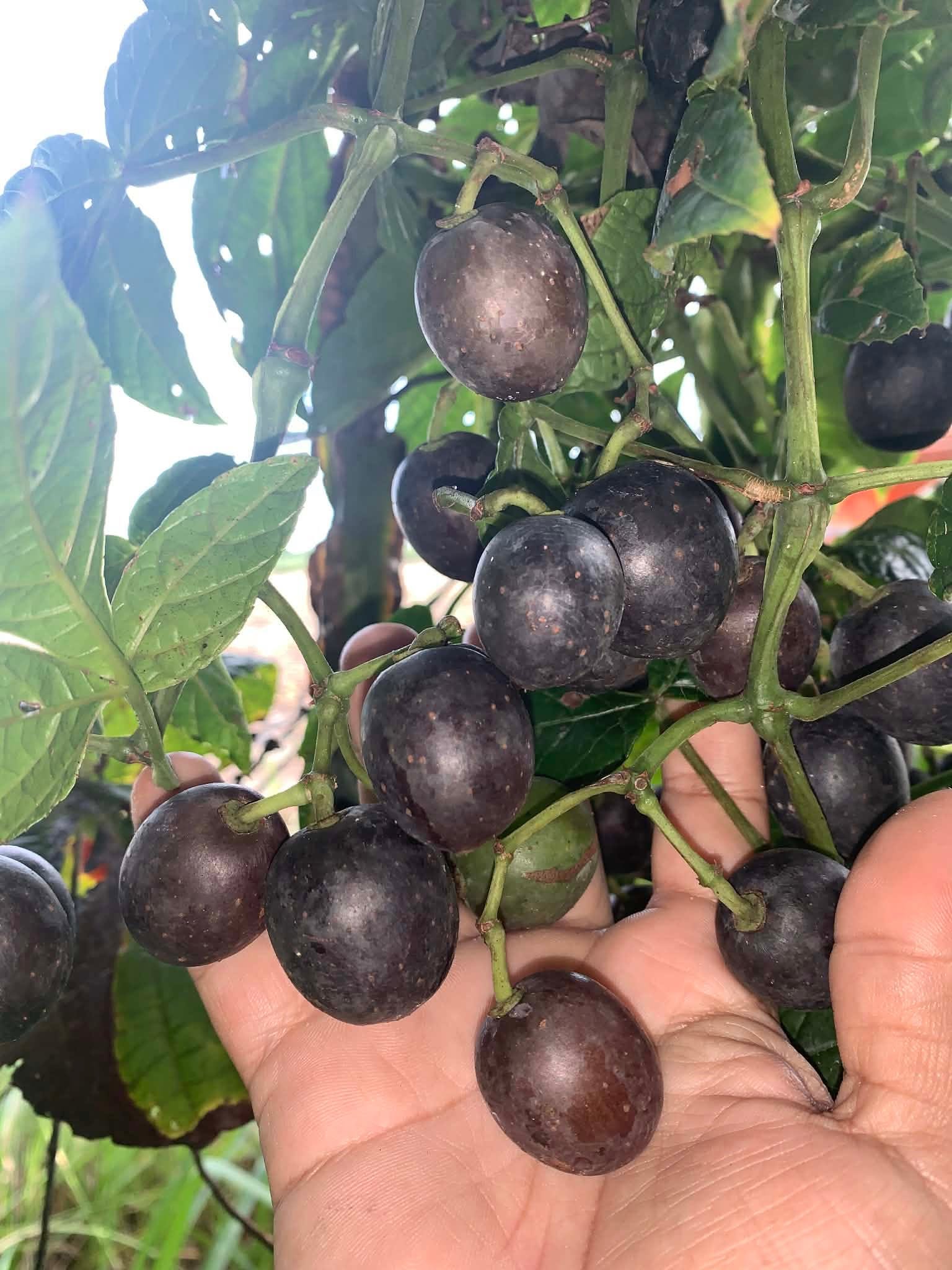
Myrcia multifidaFamily / Familie: Myrtaceaeorigin from / Herkunft: Brasil / BrasilienClimate / Klima: temperate (15-30C / 59-84F) / gemäßigt (15-30C / 59-84F) Use / Verwendung: edible fruits, juice, jam, ice cream, etc. / essbare Früchte, Säfte, Marmelade, Eis usw.you buy / sie kaufen: 1 potted plant / 1 getopfte PflanzeDelivery EU onlyMyrcia multifida / Many-Flowered Brazilian MyrtleMyrcia multifida is an exquisite, highly elegant tropical discovery belonging to the Myrtle family (Myrtaceae).Native to the species-rich rainforests and savanna regions of South America—particularly throughout Brazil's Mata Atlântica and Cerrado biomes—this species charms plant collectors with its remarkably fine texture and graceful habit.Botanically, Myrcia multifida is distinguished by its narrow, delicate leaves set along slender, airy branches, giving the shrub a lightweight, naturally refined appearance.A visual highlight is the emerging foliage, which flushes in gorgeous shades of copper and bronze before maturing into a deep, glossy green.During its bloom period, it lives up to its name: the canopy is covered in countless tiny, fragrant white flowers packed with delicate stamens that attract pollinators.Following bloom, it yields small, rounded berries that ripen from red to dark purple-black, containing juicy pulp with a subtle, aromatic-sweet flavor.With its moderate growth rate, fine foliage, and highly aesthetic architecture, Myrcia multifida is perfectly suited for long-term container growing and high-end tropical bonsai culture.In cultivation, the Many-Flowered Brazilian Myrtle is a rewarding and adaptable specimen when provided with standard Neotropical Myrtle care.For optimal growth, it prefers a bright to semi-shaded location and a well-draining, slightly acidic substrate kept consistently moist.As a tropical/subtropical species, it is sensitive to frost and must be overwintered in a bright location at a minimum temperature of 10 to 15 °C (50 to 59 °F).Myrcia multifida / Vielblütige Brasilien-MyrteDie Myrcia multifida ist eine bezaubernde, extrem elegante Tropenpflanzen-Rarität aus der Familie der Myrtengewächse (Myrtaceae).Beheimatet in den artenreichen Regenwäldern und Savannenregionen Südamerikas – insbesondere in den brasilianischen Biomen der Mata Atlântica und des Cerrado –, fasziniert diese Art Myrtaceen-Liebhaber durch ihre außergewöhnlich feine Textur und ihr malerisches Erscheinungsbild.Botanisch zeichnet sich Myrcia multifida durch ihre zarten, schlanken Blätter und die reich verzweigten, filigranen Triebe aus, die der Pflanze einen leichten, fast fernöstlich anmutenden Wuchs verleihen.Ein besonderer Blickfang sind die frischen Blattaustriebe, die in wunderschönen, kupfer- bis bronzefarbenen Nuancen erstrahlen, bevor sie zu einem tiefen Dunkelgrün nachdunkeln.Zur Blütezeit macht sie ihrem Namen alle Ehre: Die Pflanze übersät sich mit zahllosen, strahlend weißen, duftenden Miniblüten mit dichten Staubblattbündeln, die von Bienen und Bestäubern heiß begehrt werden.Aus den Blüten entwickeln sich kleine, rundliche Myrtlenbeeren, die bei der Reife von Rot bis Schwarzviolett ausfärben und ein saftiges Fruchtfleisch mit feinem, harzig-süßem Aroma besitzen.Durch ihr langsames, kompaktes Wachstum und das äußerst attraktive Laubbild eignet sich Myrcia multifida perfekt für die dauerhafte Kübelkultur auf der Terrasse sowie für die Gestaltung exklusiver Tropen-Bonsais.In Kultur erweist sich die Vielblütige Brasilien-Myrte als robuster und pflegeleichter Pflegling, sofern die Grundbedürfnisse tropischer Myrtengewächse erfüllt werden.Für ein optimales Gedeihen bevorzugt sie einen hellen bis halbschattigen Standort sowie ein durchlässiges, leicht saures Substrat (z. B. mit Bims- oder Torfanteil), das stets gleichmäßig feucht gehalten wird.Als tropisch-subtropische Art ist sie frostempfindlich und muss an einem hellen Ort warm bei mindestens 10 bis 15 Grad Celsius überwintert werden.
Uva do Mato de Mico-Dourado (Cissus stipulata)
Family / Familie: Vitaceaeorigin from / Herkunft: BrasilClimate / Klima: warm (10-30C / 50-84F) / warm (10-30C / 50-84F) Use / Verwendung: edible fruits, juice, jam, ice cream, etc. / essbare Früchte, Säfte, Marmelade, Eis usw.you buy / sie kaufen: 1 potted seedling / 1 getopfter Sämling
Delivery EU only
Cissus stipulata / Uva do Mato de Mico-Dourado (Golden Lion Tamarin / Lionhead Wild Grape)Cissus stipulata, known in its Brazilian native habitat as Uva do Mato de Mico-Dourado ("Wild Grape of the Golden Lion Tamarin / Lionhead"), is the undisputed culinary crown jewel of the grape family (Vitaceae). Its native common name highlights its vital ecological role in the Atlantic Rainforest (Mata Atlântica), where this impressive vine serves as a prized food source for the endangered Golden Lion Tamarin. Among hundreds of global Cissus species, it stands out drastically: while most members produce tiny, pea-sized berries, Cissus stipulata yields massive fruits measuring up to 4 cm in diameter. Its juicy pulp delivers a delightful, refreshing sweet-and-sour flavor profile reminiscent of a fine tropical wild grape (unripe fruits contain traces of calcium oxalate typical for the family). Botanically and commercially, these seeds represent a monumental rarity that has been virtually nonexistent on the global collector market, simply because the plant itself is extremely rare in the wild. A major advantage for cultivation: the plant features hermaphrodite flowers and is fully self-fertile—meaning that a single plant in a pot or conservatory is completely sufficient to set abundant fruit on its own. Additionally, the fresh seeds are recalcitrant and cannot tolerate desiccation, requiring them to be kept moist and sown quickly for optimal germination. In cultivation, this fast-growing vine develops into a highly rewarding exotic plant, perfect for conservatories or container culture. For optimal growth, Cissus stipulata prefers a bright to semi-shaded location along with a nutrient-rich, well-draining, and consistently moist substrate. As a tropical rainforest species, it cannot tolerate frost and must be overwintered in a bright, warm location at a minimum temperature of 10 to 12 °C (50 to 54 °F).Cissus stipulata / Uva do Mato de Mico-Dourado (Löwenköpfchen-Riesen-Waldtraube)Die Cissus stipulata, im brasilianischen Volksmund liebevoll Uva do Mato de Mico-Dourado („Waldtraube des Goldenen Löwenköpfchens“) genannt, ist der unangefochtene kulinarische Spitzenreiter aus der Familie der Weinrebengewächse (Vitaceae). Der brasilianische Trivialname zeugt von ihrer spektakulären Rolle im heimischen Atlantischen Regenwald (Mata Atlântica): Dort dient diese imposante Liane dem vom Aussterben bedrohten Goldenen Löwenäffchen (Löwenköpfchen) als begehrte und wertvolle Nahrungsquelle. Unter den weltweit hunderten Arten der Gattung Cissus sticht sie in Bezug auf den Fruchtwert deutlich hervor: Während die meisten Verwandten nur kleine, erbsengroße Beeren tragen, bringt Cissus stipulata für diese Gattung gigantische, bis zu 4 cm große Früchte hervor. Das saftige Fruchtfleisch vollreifer Beeren überzeugt mit einem wunderbar erfrischenden, süß-säuerlichen Aromaprofil, das an wilde tropische Trauben erinnert (wie bei vielen Vitaceae enthalten unreife Früchte noch etwas Calciumoxalat). Botanisch und kommerziell stellt dieses Angebot eine absolute Sensation dar: Frische Samen dieser Art waren bisher auf dem weltweiten Markt für Exotensammler nahezu unmöglich zu bekommen, da die Pflanze selbst in ihrer Heimat extrem selten vorkommt. Ein großer Vorteil für die Kultur: Die Pflanze besitzt zwittrige Blüten und ist somit vollständig selbstfruchtbar – das bedeutet, dass schon ein einziges Exemplar im Kübel oder Wintergarten ausreicht, um ohne fremde Bestäuberpflanze reichlich Früchte anzusetzen. Zusätzlich verhalten sich die frisch geernteten Samen rekalzitrant und vertragen kein Austrocknen, weshalb sie für eine hohe Keimquote direkt feucht gehalten und ausgesät werden müssen. In Kultur erweist sich die schnellwüchsige Liane als äußerst dankbarer und bildschöner Exot, der sich ideal für die Haltung im Wintergarten oder als imposante Kübelpflanze eignet. Für ein optimales Wachstum bevorzugt Cissus stipulata einen hellen bis halbschattigen Standort sowie ein nährstoffreiches, gut durchlässiges Substrat, das stets leicht feucht gehalten wird. Als tropische Regenwaldart ist sie absolut frostempfindlich und muss an einem hellen Ort warm bei mindestens 10 bis 12 Grad Celsius überwintert werden.
Pereskia aculeata var. godseffianaFamily / Familie: Cactaceaeorigin from / Herkunft: South America / SüdamerikaClimate / Klima: temperate to warm (10-30C / 50-84F) / gemäßigt bis warm (10-30C / 50-84F)Use / Verwendung: edible fruits, juice, jam, ice cream, etc. / essbare Früchte, Säfte, Marmelade, Eis usw.you buy / sie kaufen: 1 potted plant / 1 getopfte PflanzeDelivery EU onlyThe Golden Leaf Cactus: Pereskia aculeata var. godseffiana
Pereskia aculeata var. godseffiana is a botanical rarity often referred to as the "Golden Leaf Cactus" or "Ora-pro-nóbis." Unlike most cacti, this variety produces true, beautiful leaves that shimmer in vibrant shades of gold, yellow, and peach. The plant has a climbing or shrub-like growth habit and is one of the most decorative indoor and conservatory plants due to its extraordinary foliage. A special highlight are the numerous creamy-white flowers, which emit an intense, very pleasant fragrance and act as a magnet for bees. Following the bloom, yellow to orange fruits develop, which are not only ornamental but also edible. The fruits have a refreshing, tart flavor and are highly valued in their native Brazil as a vitamin-rich supplement. Interestingly, the protein-rich leaves are also edible and are traditionally used in Brazilian cuisine as a healthy leafy vegetable. This Pereskia is extremely robust, easy to care for, and, unlike many other cacti, can tolerate slightly more moisture. For the best foliage color, the plant requires a very bright, sunny location and frost-free overwintering.Der goldene Laubkaktus: Pereskia aculeata var. godseffiana
Pereskia aculeata var. godseffiana ist eine botanische Besonderheit und wird oft als „Goldener Laubkaktus“ oder „Ora-pro-nóbis“ bezeichnet. Im Gegensatz zu den meisten Kakteen bildet diese Sorte echte, wunderschöne Blätter aus, die in leuchtenden Gold-, Gelb- und Pfirsichtönen schimmern. Die Pflanze wächst kletternd oder strauchartig und ist durch ihre außergewöhnliche Blattfärbung eine der dekorativsten Zimmer- und Wintergartenpflanzen überhaupt. Ein besonderes Highlight sind die zahlreichen, cremeweißen Blüten, die einen intensiven, sehr angenehmen Duft verströmen und Bienen magisch anziehen. Nach der Blüte entwickeln sich gelbe bis orangefarbene Früchte, die nicht nur dekorativ, sondern auch essbar sind. Die Früchte haben einen erfrischend säuerlichen Geschmack und sind in ihrer Heimat Brasilien als vitaminreiche Ergänzung sehr geschätzt. Interessanterweise sind auch die proteinreichen Blätter essbar und werden in der brasilianischen Küche traditionell als gesundes Gemüse verwendet. Diese Pereskia ist extrem robust, pflegeleicht und verträgt im Gegensatz zu vielen anderen Kakteen auch etwas mehr Feuchtigkeit. Für die beste Farbausprägung des Laubs benötigt die Pflanze einen sehr hellen, sonnigen Standort und eine frostfreie Überwinterung.
Myrcia sp Trancoso
Family / Familie: Myrtaceaeorigin from / Herkunft: Brasil / BrasilienClimate / Klima: temperate to warm (15-30C / 59-86F) / gemäßigt bis warm (15-30C / 59-86F)Use / Verwendung: edible fruits, juice, jam, ice cream, etc. / essbare Früchte, Säfte, Marmelade, Eis usw.you buy / sie kaufen: 1 potted seedling / 1 getopfter Sämling
Delivery EU onlySome specimens of the Myrcia genus are true treasures.Like this Myrcia sp. Trancoso.Leaves reminiscent of a Myrciaria—except these leaves are larger—and the fruits have an excellent flavor.These fruits taste like jaboticaba and are very delicious.The Brazilian collector Helton Muniz also says that some Myrcia fruits taste even better than jaboticaba.This Myrcia was discovered in the UNA National Park in Bahia, Brazil.This Myrcia can be grown well in pots and will also flower and fruit in tubs.Place in partial shade during the first year and avoid waterlogging.Please overwinter at a temperature of at least 15 degrees Celsius.Manche Exemplare der Gattung Myrcia sind wahre Schätze.Wie diese Myrcia sp Trancoso.Blätter die an eine Myrciaria erinnern - nur das diese Blätter größer sind und Früchte mit einem hervorragenden Geschmack.Diese Früchte schmecken wie Jaboticaba und sind sehr lecker.Auch der brasilianische Sammler Helton Muniz sagt, dass einige Myrcia Früchte noch besser schmecken sollen als Jaboticaba.Entdeckt wurde diese Myrcia im UNA Nationalpark in Bahia, Brasilien.Diese Myrcia kann gut im Topf angebaut werden und blüht bzw. fruchtet auch im Kübel.Im ersten Jahr halbschattig stellen und Staunässe vermeiden.Bitte bei mindestens 15 Grad überwintern.
Plinia sp. Cachoeiro de Itapemirim
Family / Familie: Myrtaceaeorigin from / Herkunft: Brasil / BrasilienClimate / Klima: temperate to warm (10-30C / 50-86F) / gemäßigt bis warm (10-30C / 50-86F)Use / Verwendung: edible fruits, juice, jam, ice cream, etc. / essbare Früchte, Säfte, Marmelade, Eis usw.you buy / sie kaufen: 1 potted seedling / 1 getopfter Sämling
Delivery EU onlyThis new jaboticaba was recently called Plinia sp. Fruta verde - folha miuda (which means "green fruit - small leaves").The name has been changed to reflect its location, hence the new name Plinia sp. Cachoeiro de Itapemirim.Cachoeiro is a small town in the Brazilian state of Espírito Santo.While all previously known "white jaboticabas" are distinguished by their very large, ribbed leaves, often three to four times larger than those of the classic Jaboticaba Sabara, this jaboticaba exhibits a completely different appearance.Its small leaves, only slightly larger than those of Plinia cauliflora (Sabara), are particularly striking. This strongly suggests that it may represent a previously unknown Plinia species, making this plant a rare and remarkable botanical find.The fruits have a soft and very juicy flesh. In terms of flavor, they resemble the classic Jaboticaba Sabara, complemented by a delicate hint of honey, resulting in a pleasantly sweet and well-balanced taste.The tree has a moderate growth habit and, like other jaboticaba species, is very well suited for container cultivation. It prefers a sunny to partially shaded location. During the first year after planting, a partially shaded position is ideal to protect the sensitive young leaves from intense sunlight.The soil should be slightly acidic, loose, and well-drained, as waterlogging must be strictly avoided. Regular watering is required, with the root ball kept evenly moist but never wet.As a subtropical plant, this Plinia is not frost-hardy. It should therefore be overwintered frost-free at a minimum temperature of around 10 °C.Diese neue Jaboticaba nannte sich vor kurzem noch Plinia sp. Fruta verde - folha miuda (was soviel bedeutet wie "grüne Früchte - kleine Blätter").Der Name wurde nach dem Fundort umbenannt, daher jetzt der Name Plinia sp. Cachoeiro de Itapemirim.Cachoeiro ist eine kleine Stadt im brasilianischen Bundesstaat Espirito Santo. Während alle bisher bekannten „weißen Jaboticabas“ durch sehr große, gerippte Blätter auffallen, die oft drei- bis viermal größer sind als bei der klassischen Jaboticaba Sabara, zeigt diese Jaboticaba ein völlig anderes Erscheinungsbild.Auffällig sind die kleinen Blätter, die nur geringfügig größer sind als bei Plinia cauliflora (Sabara). Dies deutet mit hoher Wahrscheinlichkeit auf eine bislang unbekannte Plinia-Art hin und macht diese Pflanze zu einer besonderen botanischen Rarität.Die Früchte besitzen ein weiches, sehr saftiges Fruchtfleisch. Geschmacklich erinnern sie an die klassische Jaboticaba Sabara, ergänzt durch eine feine Honignote, was sie angenehm süß und ausgewogen macht.Der Baum wächst mittelstark und lässt sich, wie andere Jaboticaba-Arten auch, sehr gut im Kübel kultivieren. Bevorzugt wird ein sonniger bis halbschattiger Standort. Im ersten Jahr nach dem Einpflanzen ist ein halbschattiger Platz ideal, um die empfindlichen jungen Blätter vor starker Sonneneinstrahlung zu schützen.Der Boden sollte leicht sauer, locker und gut drainiert sein, da Staunässe unbedingt vermieden werden muss. Regelmäßige Bewässerung ist wichtig, wobei der Wurzelballen stets gleichmäßig feucht, aber niemals nass gehalten werden sollte.Als subtropische Pflanze ist diese Plinia nicht winterhart.Eine frostfreie Überwinterung bei einer Mindesttemperatur von etwa 10 °C ist daher erforderlich.
Chrysophyllum sp Abiu RondoniaFamily / Familie: Sapotaceaeorigin from / Herkunft: Brasil / BrasilienClimate / Klima: temperate (15-30C / 50-84F) / gemäßigt (15-30C / 50-84F) Use / Verwendung: edible fruits, juice, jam, ice cream, etc. / essbare Früchte, Säfte, Marmelade, Eis usw.you buy / sie kaufen: 1 potted seedling / 1 getopfter SämlingDelivery EU onlyChrysophyllum sp. „Abiu Rondonia” – The Rare Abiu of the Turapi
This scarcely studied Chrysophyllum species hails from the Amazon region in the Brazilian state of Rondonia. It has been collected and valued by the indigenous Turapi people for many years. Due to its resemblance to the well-known Abiu fruit, the Turapi refer to it as the "rare Abiu," noting that it even tastes better than its more common counterpart.
Outside of the Turapi’s territory, this tree has not been documented or discovered, making it a true botanical rarity.
Fruit
Size and Shape: Medium-sized, with plenty of flesh
Taste: Very sweet and juicy, with a pleasantly mild acidity
Uses: Can be eaten fresh, offering a particularly aromatic flavor
Plant
Origin: Amazon Rainforest, Rondonia, Brazil
Growth: Likely a small to medium-sized tree
Position: Recommended to grow in partial shade during the first years
Soil: Well-drained, humus-rich soil
Watering Needs: Consistent moisture, no waterlogging
Temperature: Wintering at a minimum of 15°C (59°F) recommended
Special FeatureFor collectors of extremely rare, ethnobotanical, and exotic fruit trees, this plant is a remarkable discovery.
A hidden gem for enthusiasts of unique tropical species.Chrysophyllum sp. „Abiu Rondonia“ – Die seltene Abiu der Turapi
Diese bisher kaum erforschte Chrysophyllum-Art stammt aus dem Amazonasgebiet im brasilianischen Bundesstaat Rondonia. Sie wird dort seit vielen Jahren von dem indigenen Volk der Turapi gesammelt und geschätzt. Aufgrund ihrer Ähnlichkeit zur bekannten Abiu-Frucht wird sie von den Turapi als „seltene Abiu“ bezeichnet – mit dem Hinweis, dass sie geschmacklich sogar noch besser sei.
Außerhalb des Gebiets der Turapi wurde dieser Baum bislang nicht dokumentiert oder entdeckt, was ihn zu einer echten botanischen Rarität macht.
Frucht
Größe und Form: Mittelgroß mit reichlich Fruchtfleisch
Geschmack: Sehr süß und saftig, mit einer angenehm leichten Säure
Verwendung: Frisch verzehrbar, besonders aromatisch
Pflanze
Herkunft: Amazonas-Regenwald, Rondonia, Brasilien
Wuchs: Vermutlich kleiner bis mittelgroßer Baum
Standort: In den ersten Jahren halbschattig empfohlen
Substrat: Durchlässige, humusreiche Erde
Wasserbedarf: Gleichmäßige Feuchtigkeit, keine Staunässe
Temperatur: Überwinterung bei mindestens 15 Grad Celsius empfohlen
BesonderheitFür Sammler sehr seltener, ethnobotanischer und exotischer Fruchtbäume stellt diese Pflanze eine außergewöhnliche Entdeckung dar.
Ein echter Geheimtipp für Liebhaber besonderer tropischer Arten.
Eugenia sp PindocaFamily / Familie: Myrtaceaeorigin from / Herkunft: Bahia (Brasil)Climate / Klima: temperate (15-30C / 59-84F) / gemäßigt (15-30C / 59-84F) Use / Verwendung: edible fruits, juice, jam, ice cream, etc. / essbare Früchte, Säfte, Marmelade, Eis usw.you buy / sie kaufen: 1 potted seedling / 1 getopfter SämlingDelivery EU onlyEugenia sp. Pindoca is another beautiful new discovery from the Mata Atlantica in the state of Bahia, Brazil.This Eugenia produces fruits that are almost cauliflower, with only short stems.The fruits have a very good flavor and are suitable for direct consumption or further processing.Not much can be said about its care and maintenance, as it was only recently discovered.We recommend avoiding waterlogging in the first year and growing it in partial shade.Please overwinter this rare Eugenia at a minimum temperature of 15 degrees Celsius.Die Eugenia sp. Pindoca ist eine weitere wunderschöne Neuentdeckung aus dem Mata Atlantica im Bundesstaat Bahia, Brasilien.Diese Eugenia produziert Früchte fast kauliflor - mit nur kurzen Stielen.Die Früchte haben einen sehr guten Geschmack und eignen sich zum Direktverzehr oder Weiterverarbeitung.Über die Pflege und Haltung kann man noch nicht viel berichten, da sie erst vor kurzer Zeit entdeckt wurde.Wir empfehlen im ersten Jahr Staunässe zu vermeiden und sie halbschattig zu ziehen.Diese seltene Eugenia bitte bei mindestens 15 Grad überwintern.