
Vasconcellea pubescens - 10 fresh seed / 10 frische Samen
Family / Familie: Caricaceae
origin from / Herkunft: South Amerika / Südamerika
Climate / Klima: temperate to warm (10-25C / 50-77F) / gemäßigt bis warm (10-25C / 50-77F)
Use / Verwendung: edible fruits, juice, jam, ice cream, etc. / essbare Früchte, Säfte, Marmelade, Eis usw.
you buy / sie kaufen: 10 fresh seed / 10 frische Samen
The seeds are absolutely fresh and were just extracted from the fruit.
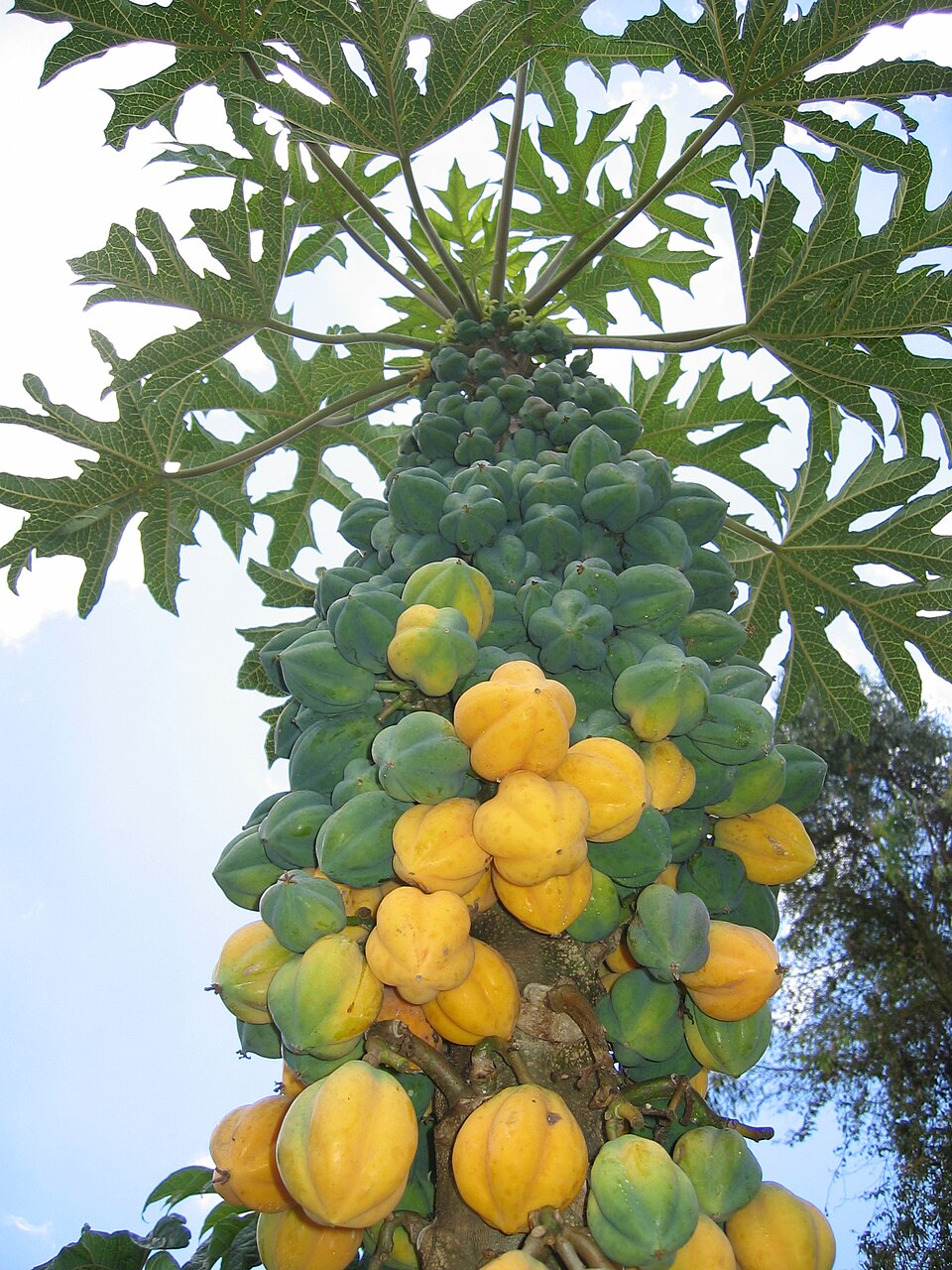
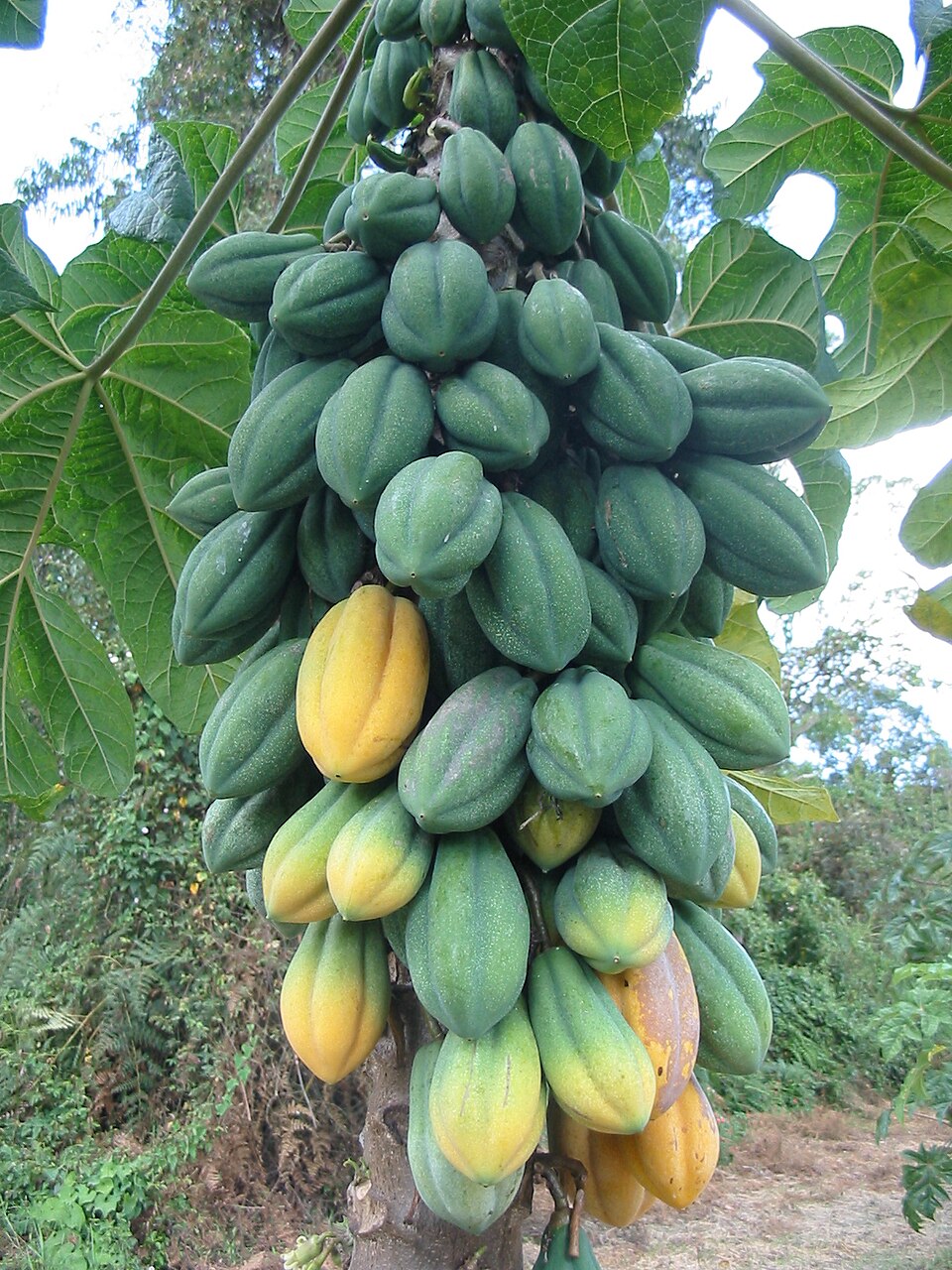
Vasconcellea pubescens, also known as mountain papaya, is a more robust relative of the common papaya (Carica papaya) and originates from the higher elevations of the Andes.
Fruit and Flavor
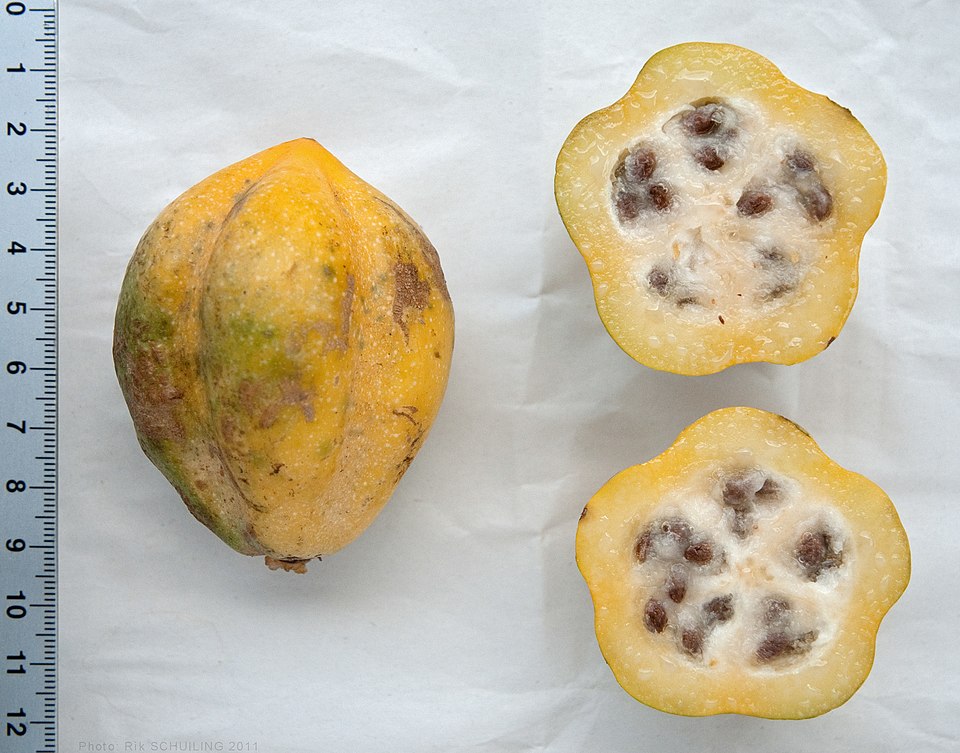
Aroma: The fruits are characterized by an intense aroma and a yellow to orange color when ripe.
Flavor: The flesh is sweet, often with a slightly tart note.
The flavor is frequently described as a mixture of melon, strawberry, and pineapple.
The fruit is typically 6–15 cm long and pentagonal.
It can be eaten raw or processed into juices, jellies, or compotes.
Cultivation and Care
Location: An ideal location is a bright, sunny spot sheltered from strong winds.
In summer, the plant can easily be kept outdoors (on a patio or balcony).
The mountain papaya is more cold-tolerant than the tropical papaya.
It prefers temperatures between 17°C and 22°C, but can tolerate temperatures as low as 10°C for short periods.
However, it must be kept frost-free, as it is damaged at temperatures below 2°C.
In summer, it needs plenty of water, but does not tolerate waterlogging.
The soil should be allowed to dry slightly between waterings.
During the growing season from May to October, it should be fertilized every 2–4 weeks with a liquid fertilizer for potted plants.
Well-draining, nutrient-rich soil (e.g., high-quality potting soil with drainage) is essential.
Overwintering: The plant should be overwintered in a bright location at around 10–15°C.
During this time, watering should be greatly reduced and fertilization should be discontinued.
Die Samen sind absolut frisch und wurden gerade erst aus den Früchten entnommen.
Die Vasconcellea pubescens, auch bekannt als Bergpapaya, ist eine robustere Verwandte der gewöhnlichen Papaya (Carica papaya) und stammt aus den höheren Lagen der Anden.
Frucht und Geschmack
Aroma: Die Früchte zeichnen sich durch ein intensives Aroma und eine gelbe bis orange Farbe im reifen Zustand aus.
Geschmack: Das Fruchtfleisch ist süß, oft mit einer leicht säuerlichen Note.
Der Geschmack wird häufig als eine Mischung aus Melone, Erdbeere und Ananas beschrieben.
Die Frucht ist in der Regel 6–15 cm lang und fünfeckig.
Sie kann roh verzehrt, aber auch zu Säften, Gelees oder Kompott verarbeitet werden.
Anbau und Pflege
Standort: Ein idealer Standort ist ein heller, sonniger Platz, der vor starkem Wind geschützt ist.
Im Sommer kann die Pflanze problemlos im Freien (auf der Terrasse oder dem Balkon) gehalten werden.
Die Bergpapaya ist kältetoleranter als die tropische Papaya.
Sie bevorzugt Temperaturen zwischen 17 °C und 22 °C, verträgt aber kurzzeitig auch Temperaturen bis zu 10 °C.
Sie muss jedoch frostfrei gehalten werden, da sie bei Temperaturen unter 2 °C Schaden nimmt.
Im Sommer benötigt sie reichlich Wasser, verträgt aber keine Staunässe.
Das Substrat sollte zwischen den Wassergaben leicht antrocknen.
Während der Wachstumsperiode von Mai bis Oktober sollte sie alle 2–4 Wochen mit einem Flüssigdünger für Topfpflanzen gedüngt werden.
Ein gut durchlässiger, nährstoffreicher Boden (z. B. hochwertige Blumenerde mit Drainage) ist unerlässlich.
Überwinterung: Die Pflanze sollte an einem hellen Standort bei etwa 10–15 °C überwintert werden.
Während dieser Zeit sollte das Gießen stark reduziert und auf Düngung verzichtet werden.