
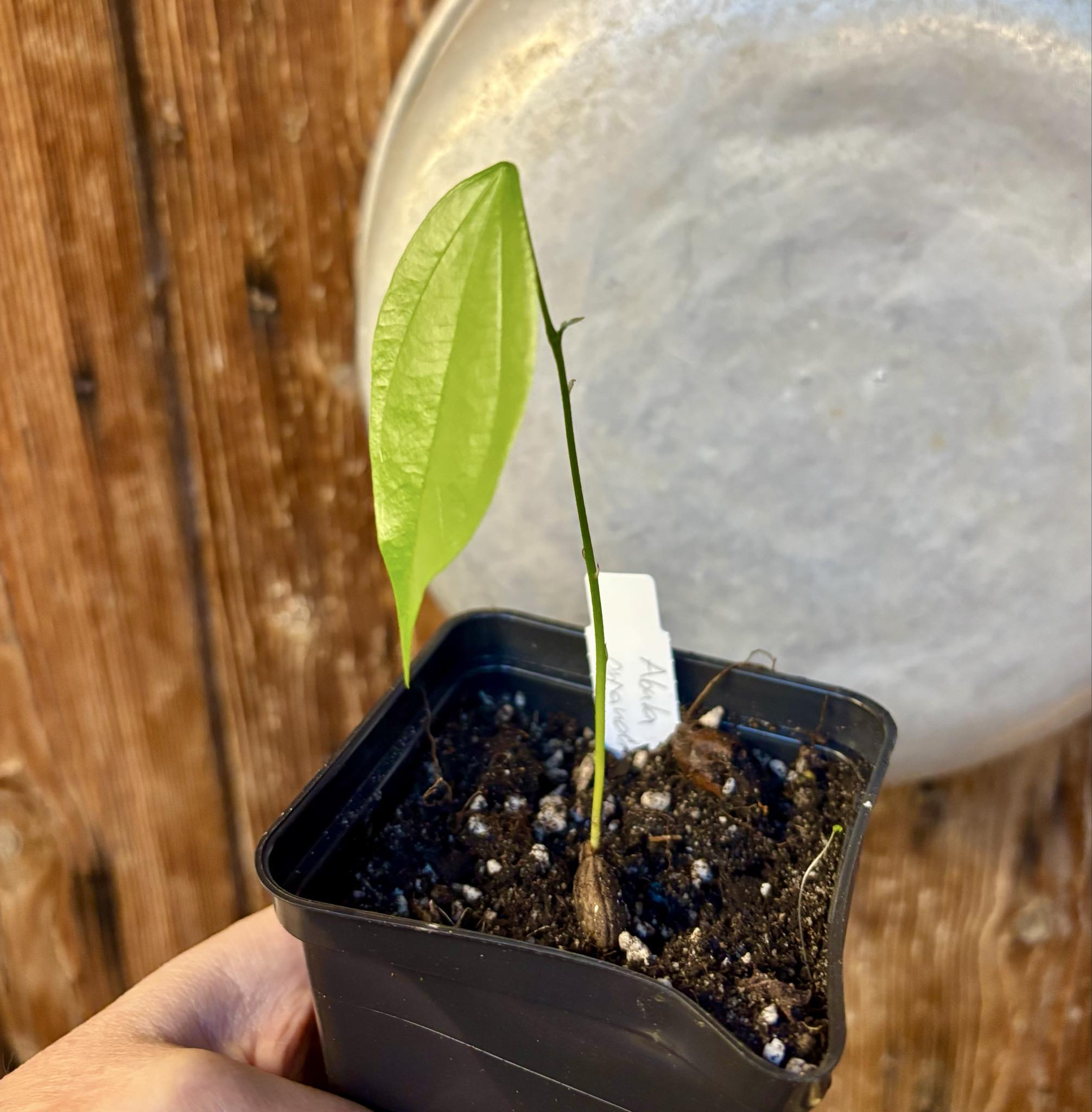
Pitombinha da Amazonia (Abuta grandifolia) - 1 potted seedling / 1 getopfter Sämling
14,00 €*
% 20,00 €* (30% saved)Available, delivery time: 2-5 Tage
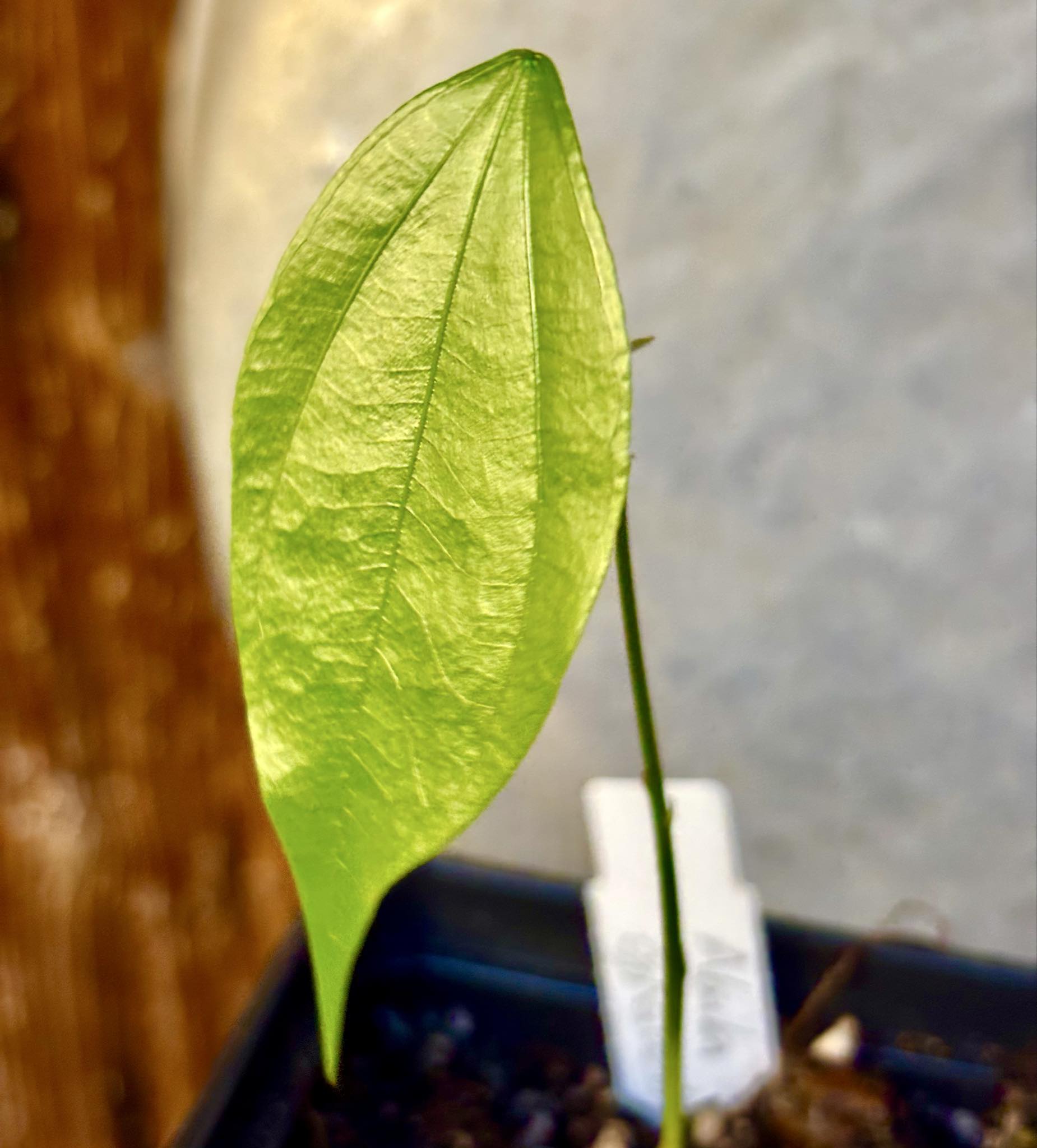
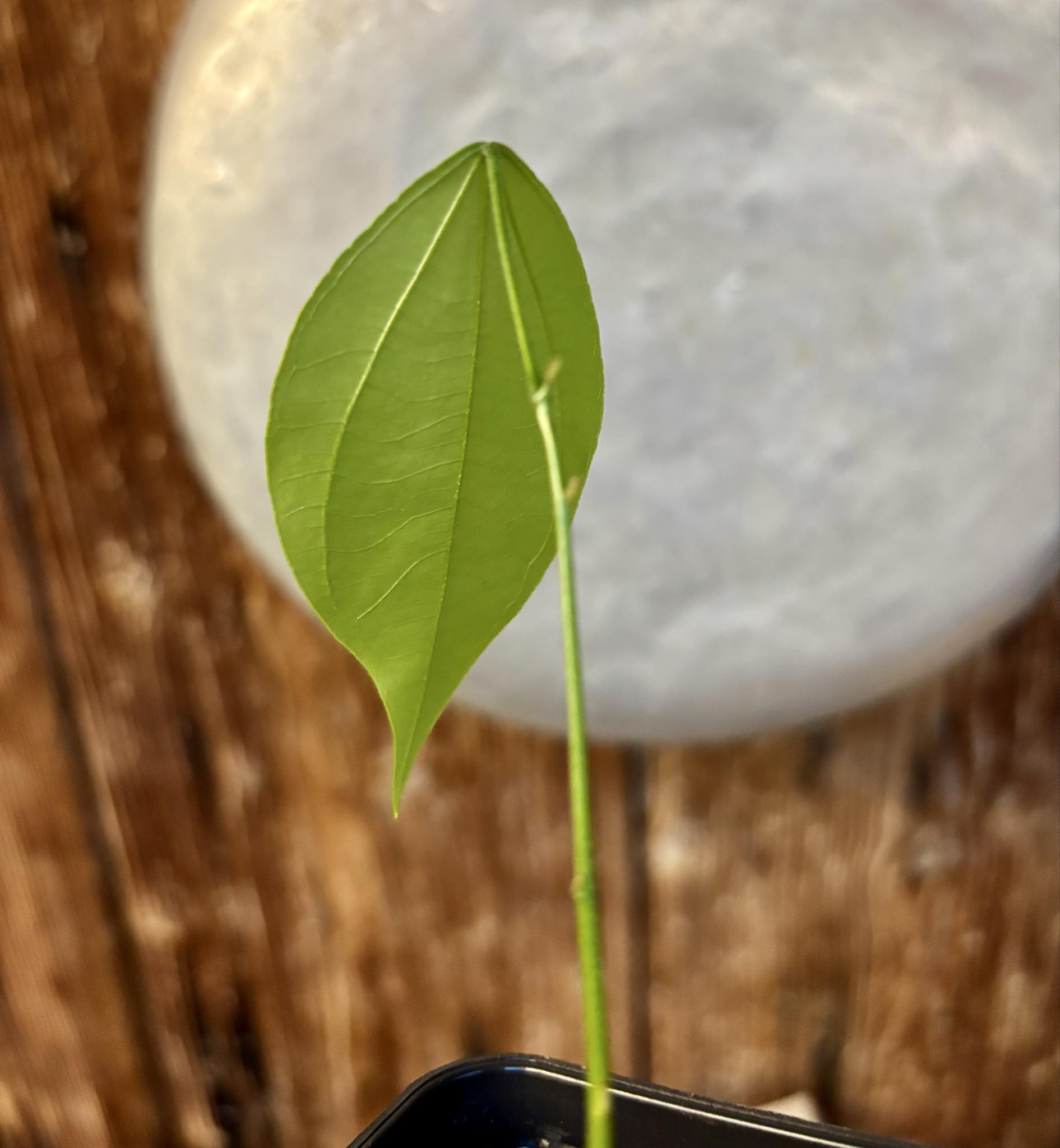
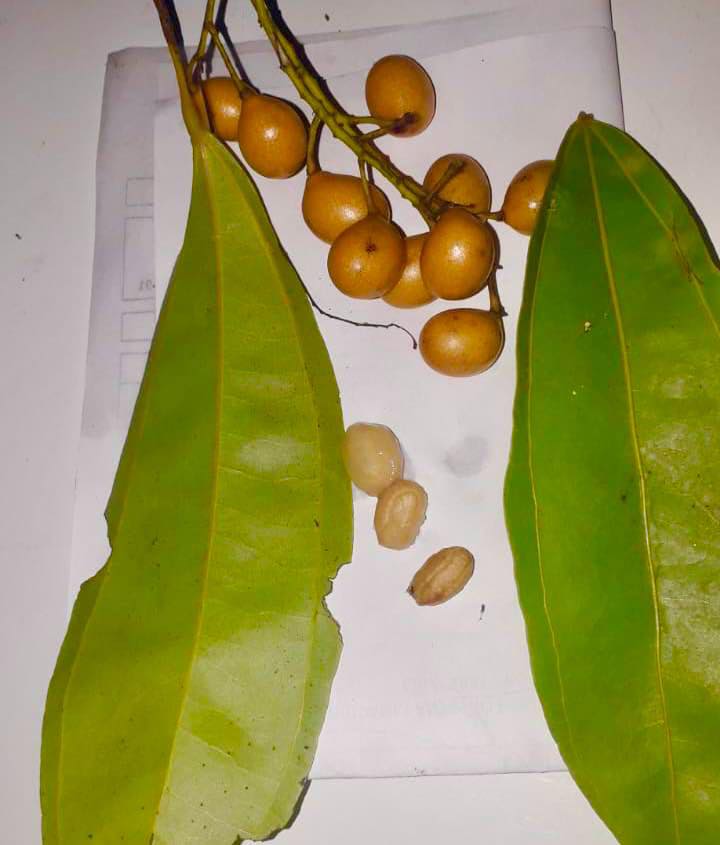
Pitombinha da Amazonia (Abuta grandifolia)
Family / Familie: Menispermaceae
origin from / Herkunft: Peru, Brasil / Peru, Brasilien
Climate / Klima: temperate to warm (10-30C / 50-84F) / gemäßigt bis warm (10-30C / 50-84F)
Use / Verwendung: edible fruits, juice, jam, ice cream, etc. / essbare Früchte, Säfte, Marmelade, Eis usw.
you buy / sie kaufen: 1 potted seedling / 1 getopfter Sämling
Delivery EU only
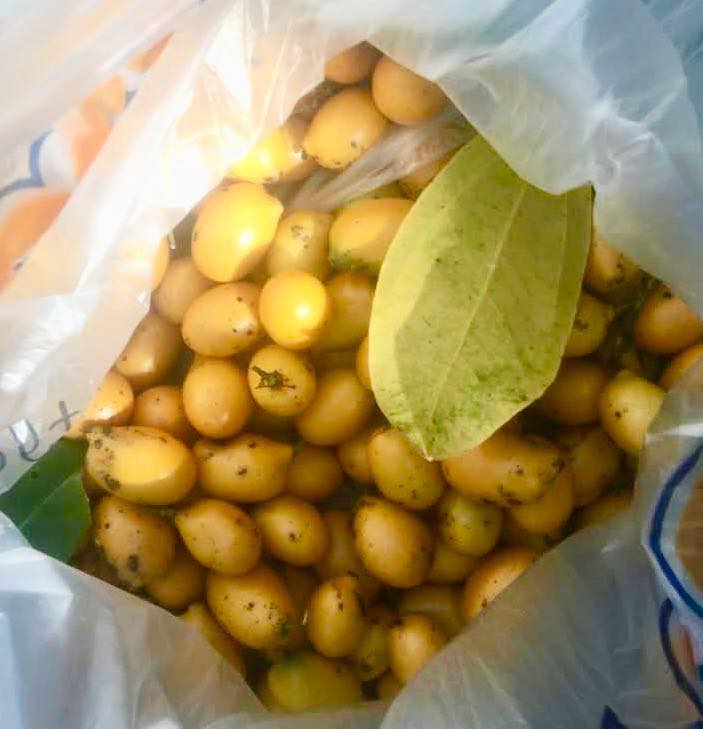
This fruit is called "Pitombinha da Amazonia" by the indigenous people.
The scientific name is Abuta grandifolia, and this plant is eaten raw and also used medicinally.
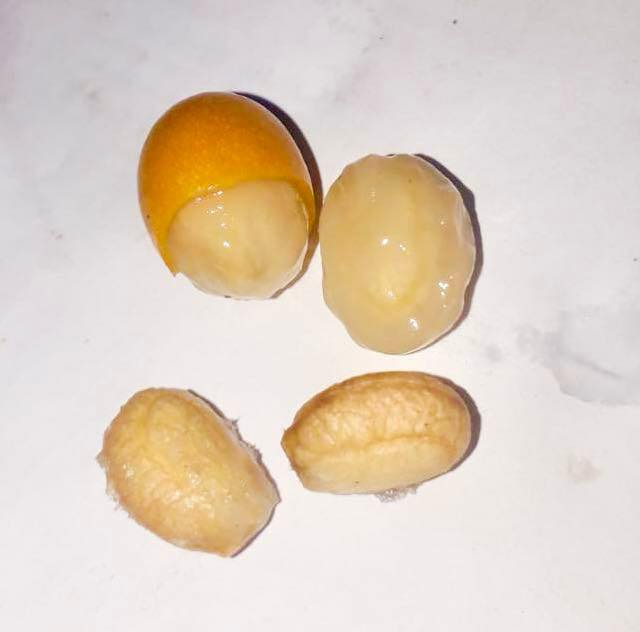
The delicious fruits are very sweet (really very sweet) and taste like cocoa.
The uses of this plant are enormous.
Recent studies from Peruvian universities mention that this plant regulates blood sugar levels and can thus combat diabetes.
It is effective against all types of menstrual cramps, eye infections, rheumatism, toothache, kidney stones, malaria, and much more.
However, one must be careful with various parts of the plant, as we know that the dose always determines toxicity.
Root extracts of this plant are also used for the arrow poison curare.
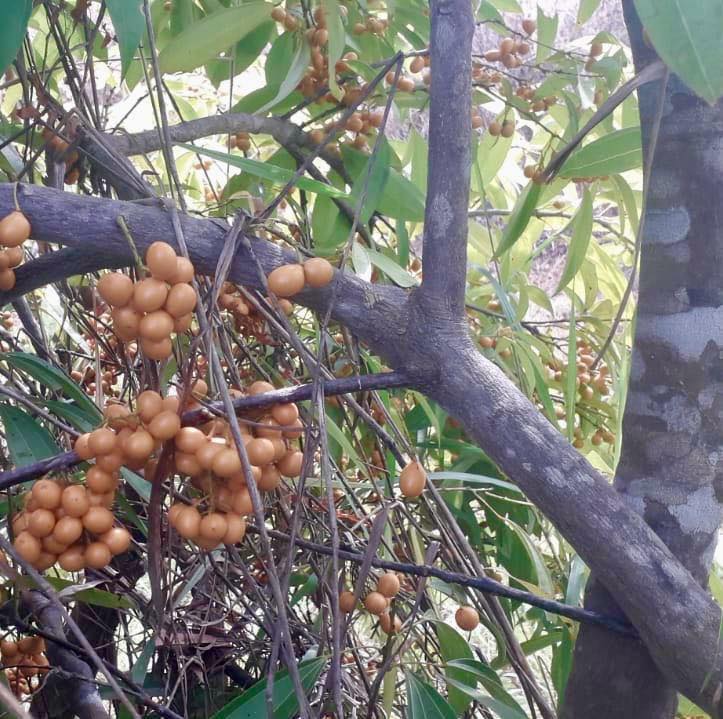
This rare tree usually grows as a vine in tropical, warm, humid areas.
However, if it is placed in an open, sunny location, it can grow into a bush or small tree.
Please overwinter at a temperature of at least 10 degrees Celsius.
Diese Frucht wird von den Indigenen "Pitombinha da Amazonia" genannt.
Der wissenschaftliche Name ist Abuta grandifolia und diese Pflanze wird roh gegessen und auch medizinisch genutzt.
Die leckeren Früchte sind sehr süß (wirklich sehr süß) und erinnern im Geschmack an Kakao.
Die Nutzung dieser Pflanze ist enorm.
Neueste Studien aus peruanischen Universitäten erwähnen, dass diese Pflanze den Blutzuckerspiegel reguliert und damit Diabetes bekämpfen kann.
Sie wirkt gegen Menstruationsbeschwerden aller Art, Augenentzündungen, Rheuma, Zahnschmerzen, Nierensteine, Malaria und einiges mehr.
Dennoch muss man mit verschiedenen Pflanzenteilen vorsichtig sein da wir wissen, dass immer die Dosis über Giftigkeit entscheidet.
So werden Wurzelextrakte dieser Pflanze auch für das Pfeilgift Curare verwendet.
Dieser seltene Baum wächst in tropisch, feuchtwarmen Gebieten normalerweise als Kletterpflanze.
Steht er jedoch frei und sonnig, kann er zu einem Busch oder kleinem Baum wachsen.
Bitte bei mindestens 10 Grad überwintern.