
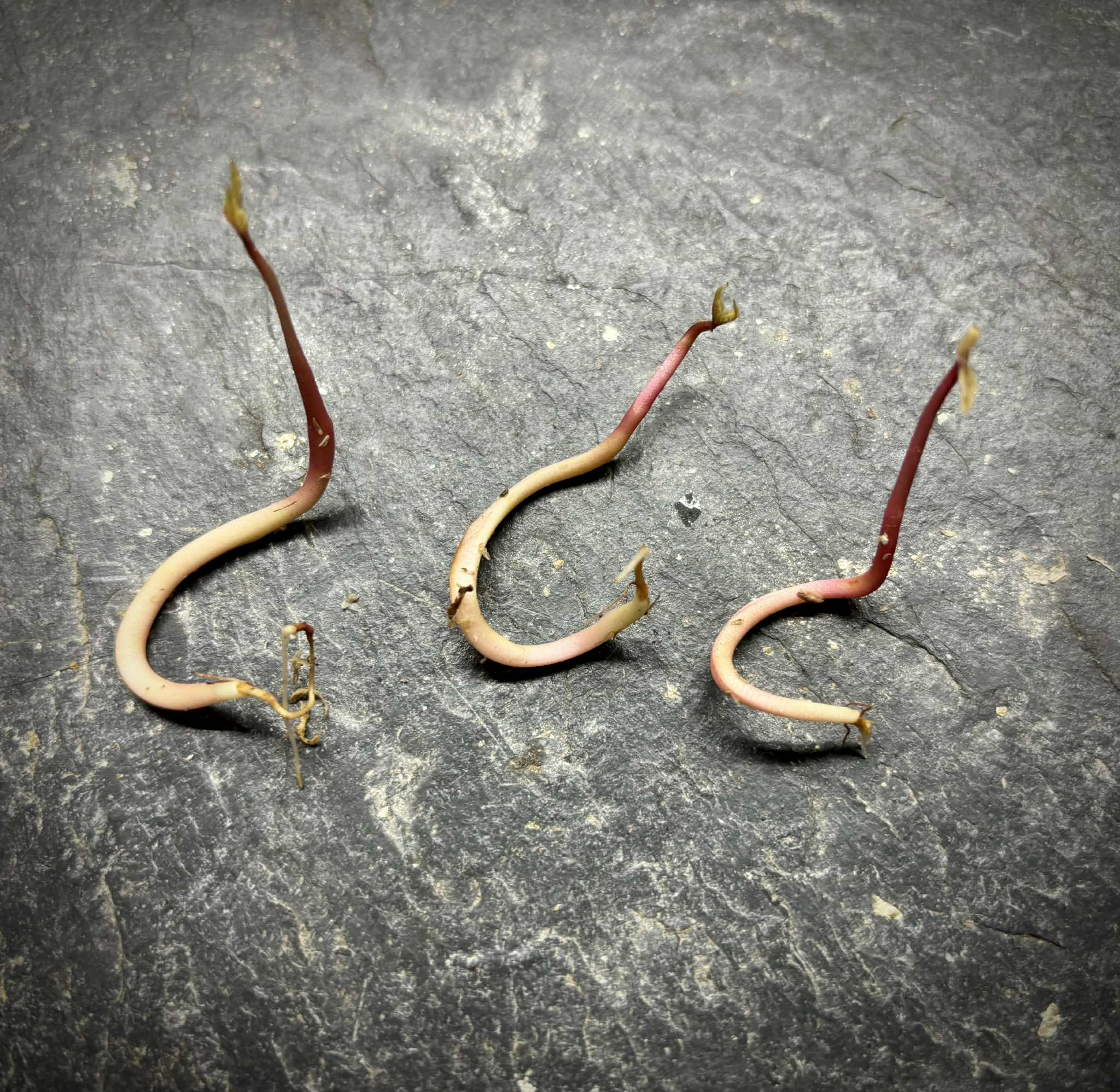
Campomanesia xanthocarpa - 1 germinated seed / 1 gekeimter Samen

Campomanesia xanthocarpa
Family / Familie: Myrtaceae
origin from / Herkunft: Brasil / Brasilien
Climate / Klima: temperate to warm (15-30C / 60-86F) / gemäßigt bis warm (15-30C / 60-86F)
Use / Verwendung: edible fruits, juice, jam, ice cream, etc. / essbare Früchte, Säfte, Marmelade, Eis usw.
you buy / sie kaufen: 1 germinated seed / 1 gekeimter Samen
Delivery worldwide
Campomanesia xanthocarpa, also known as guabiroba, is an attractive, semi-evergreen tree from South America, prized especially for its nutrient-rich fruit.
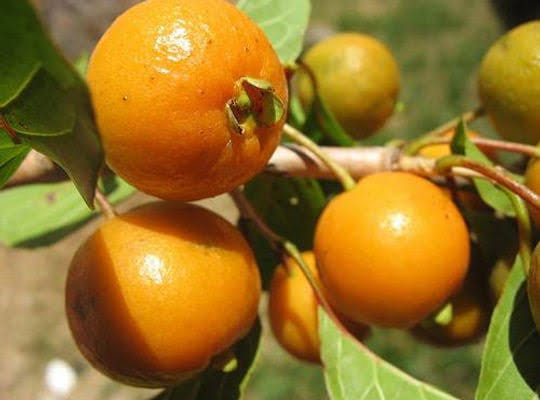
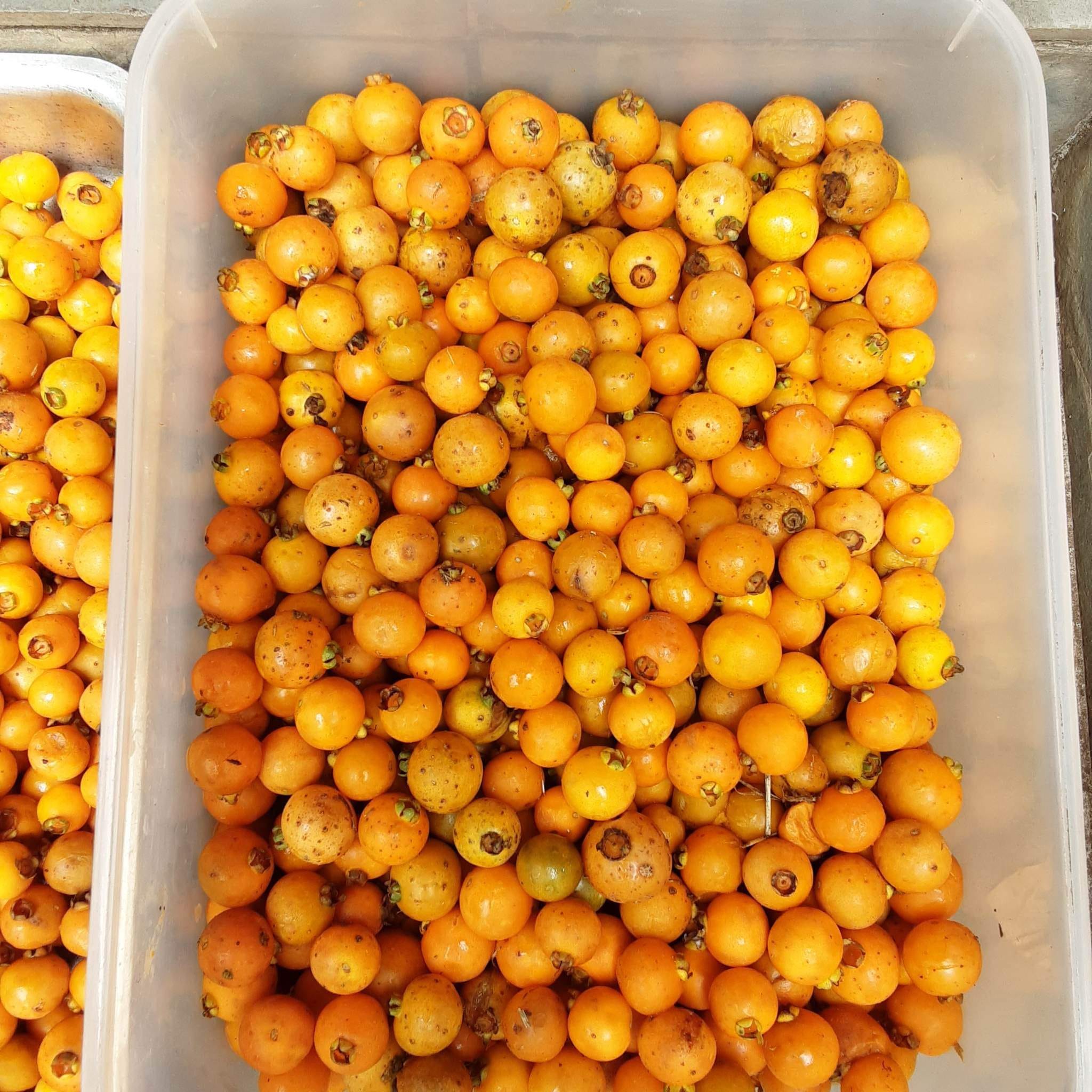
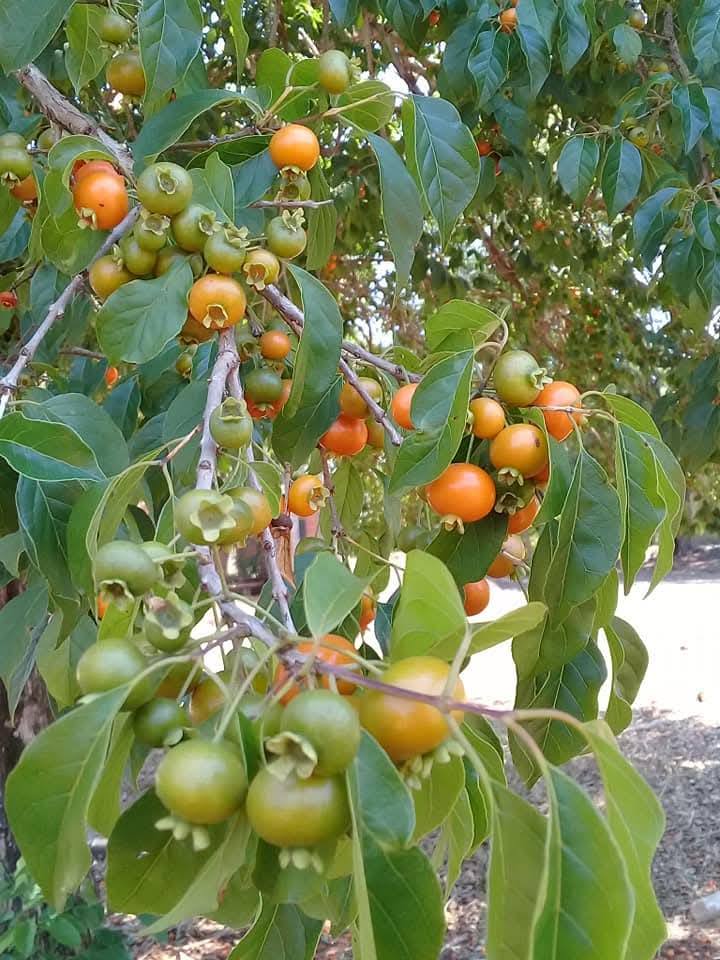
The round to slightly oval fruits reach a diameter of approximately 3 cm and ripen from green to deep yellow or orange.
The flesh is juicy and firm with a sweet, slightly tart flavor reminiscent of a blend of citrus and tropical fruits.
The fruit is frequently used to make juices, ice cream, jellies, or liqueurs.
The plant requires a sunny location.
It is considered one of the most cold-resistant species in its genus and can tolerate light frosts down to approximately -7 °C for short periods.
However, in Central Europe, it is recommended to grow it in a container or in a sheltered location.
Ideally, the soil should be loose, well-drained, and slightly acidic.
The plant is adaptable and will also grow in poorer soils.
Regular watering is important to keep the soil consistently moist.
Waterlogging must be strictly avoided, as this can lead to root rot.
The first fruits often appear 3 to 4 years after sowing.
Since the plant is self-fertile, a single plant is sufficient for a harvest.
Campomanesia xanthocarpa, auch bekannt als Guabiroba, ist ein attraktiver, halb-immergrüner Baum aus Südamerika, der besonders für seine nährstoffreichen Früchte geschätzt wird.
Die runden bis leicht ovalen Früchte erreichen einen Durchmesser von ca. 3 cm und färben sich bei Reife von grün zu tiefgelb oder orange.
Das Fruchtfleisch ist saftig und fest mit einem süßen, leicht säuerlichen Geschmack, der an eine Mischung aus Zitrus- und tropischen Früchten erinnert.
Die Frucht wird häufig zu Säften, Eis, Gelees oder Likören verarbeitet.
Die Pflanze benötigt einen sonnigen Standort.
Sie gilt als eine der kälteresistentesten Arten ihrer Gattung und verträgt kurzzeitig leichte Fröste bis ca. -7 °C.
In Mitteleuropa empfiehlt sich dennoch eine Haltung im Kübel oder ein geschützter Standort.
Ideal ist ein lockerer, gut durchlässiger und leicht saurer Boden.
Die Pflanze ist anpassungsfähig und wächst auch auf ärmeren Böden.
Regelmäßiges Gießen ist wichtig, um den Boden gleichmäßig feucht zu halten.
Staunässe muss unbedingt vermieden werden, da dies zu Wurzelfäule führen kann.
Erste Früchte erscheinen oft schon 3 bis 4 Jahre nach der Aussaat.
Da die Pflanze selbstfruchtend ist, reicht ein einzelnes Exemplar für eine Ernte aus.