
only 1 seedling available - Yellow Acerola (Malpighia glabra) - 1 potted seedling, 1 getopfter Sämling
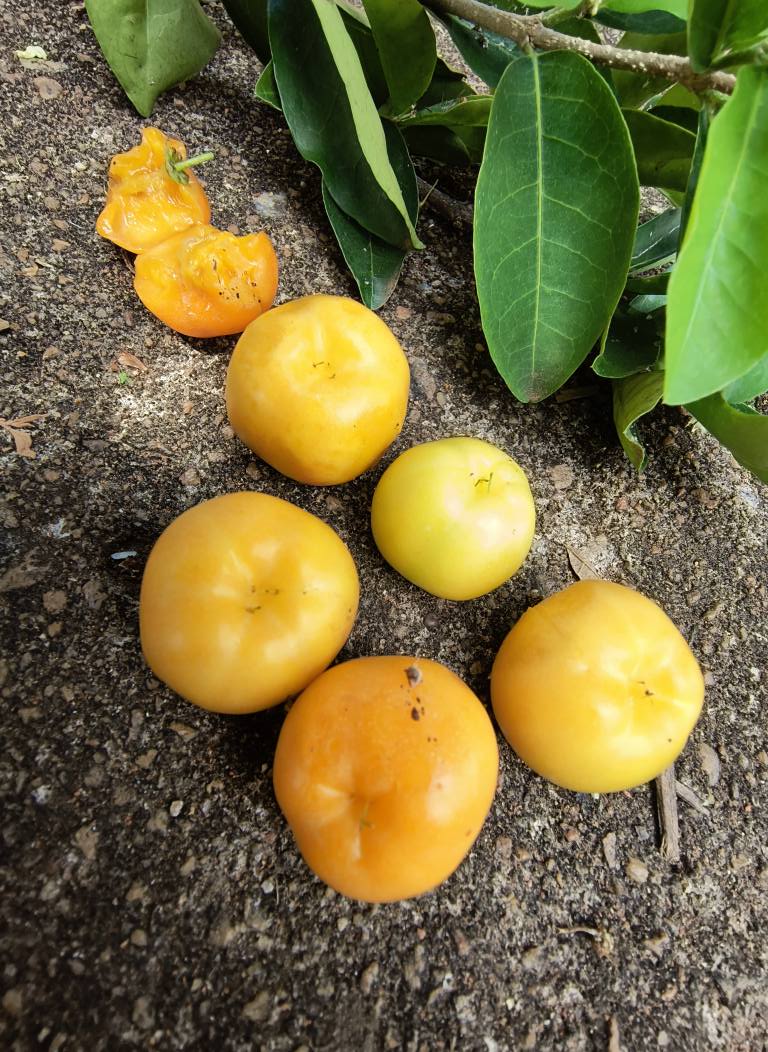
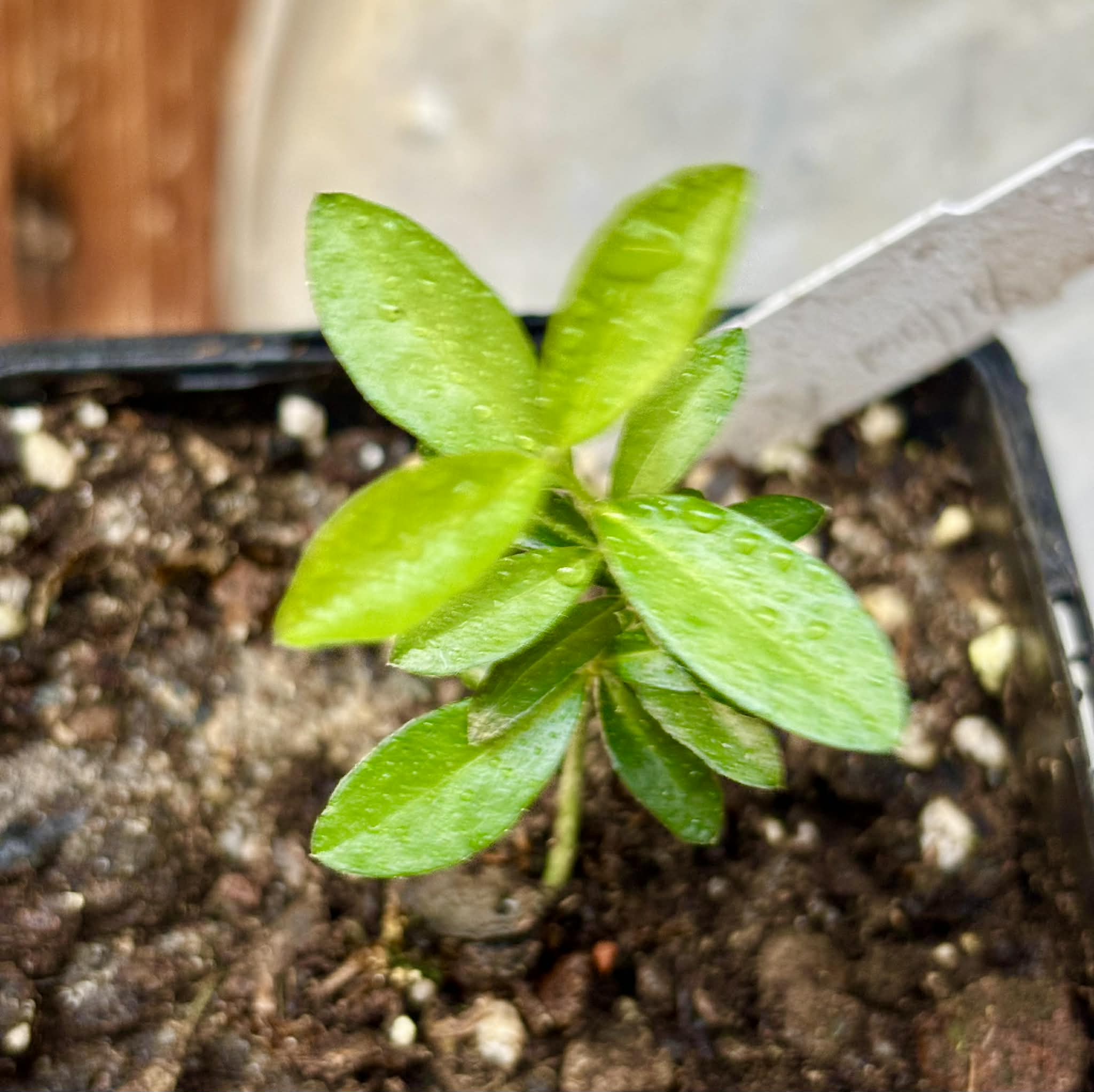
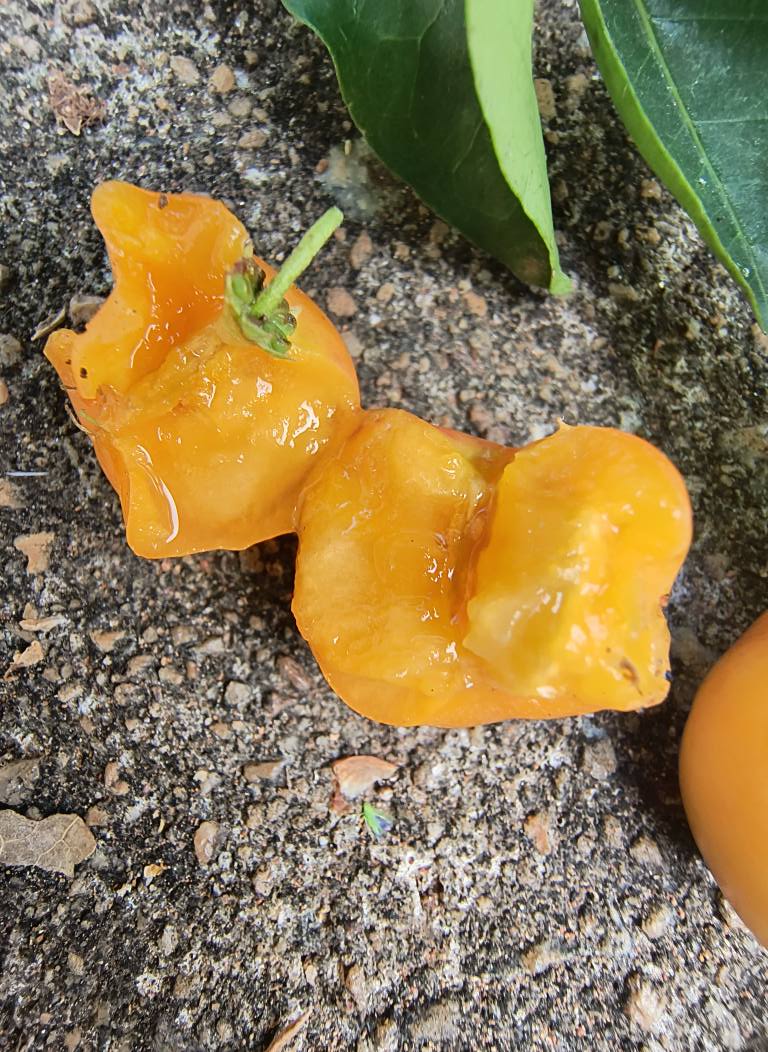
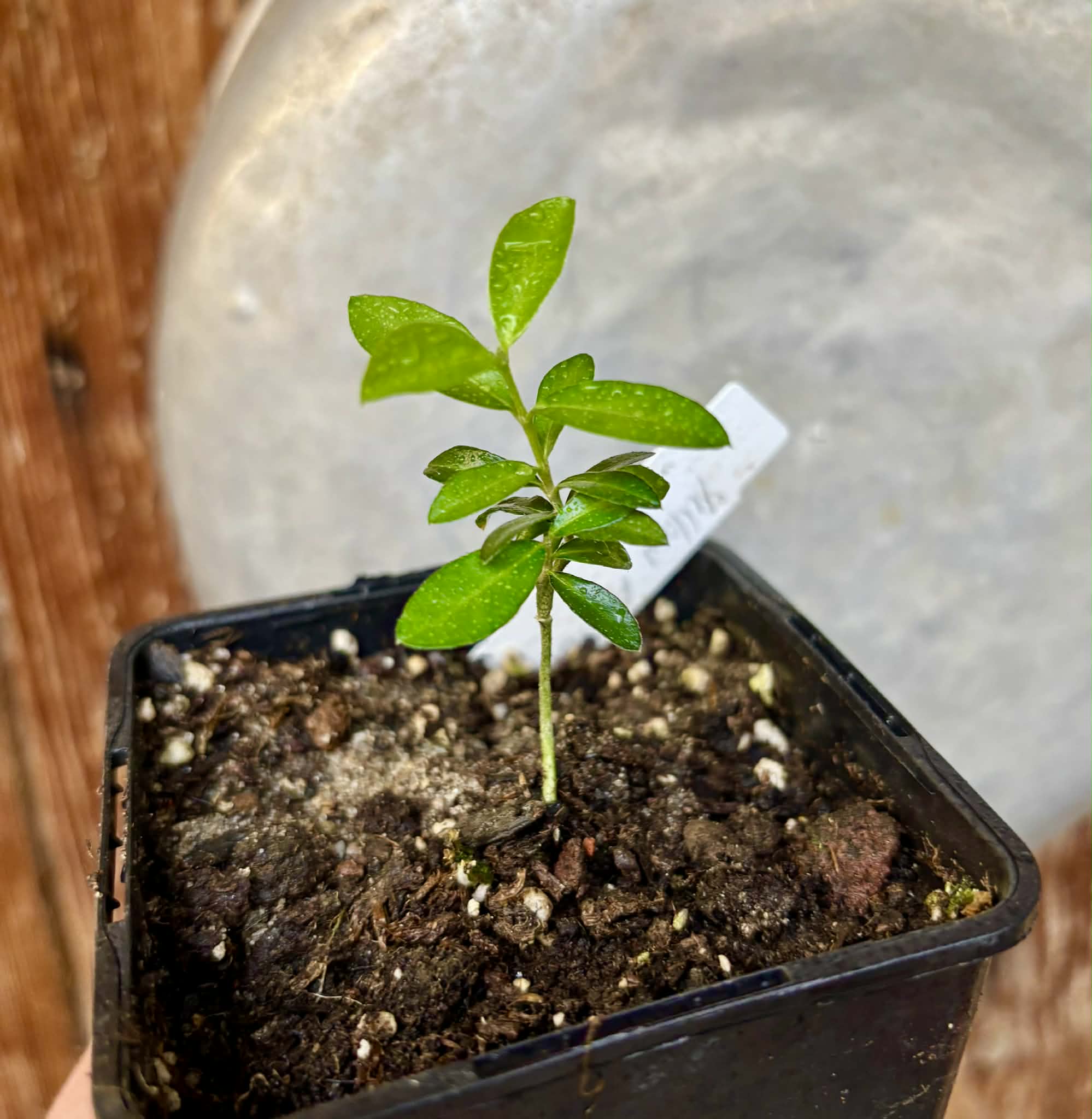
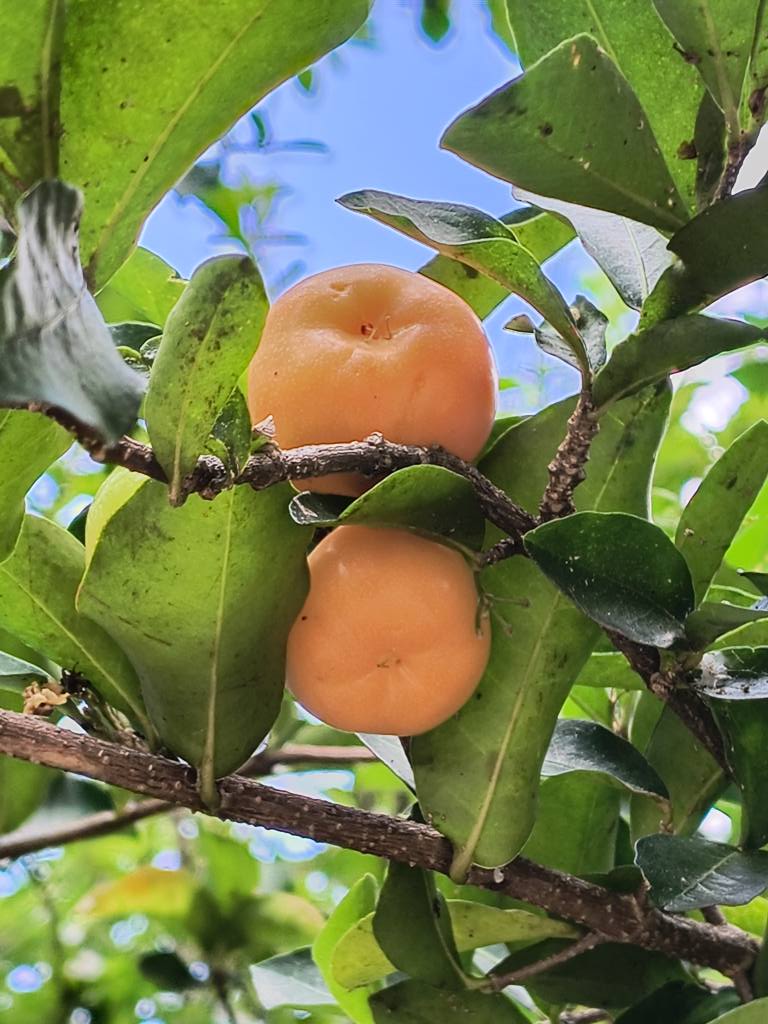
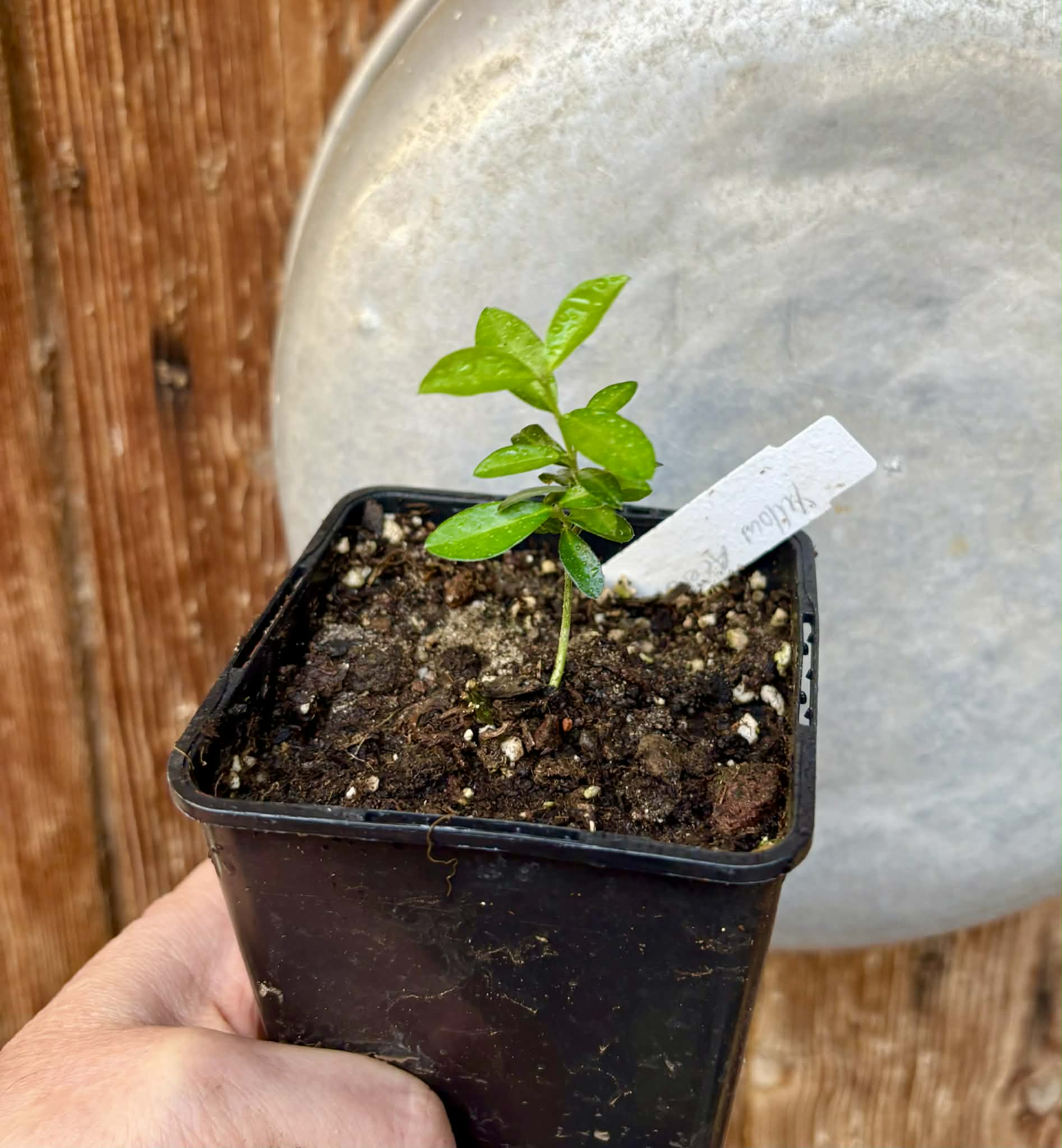
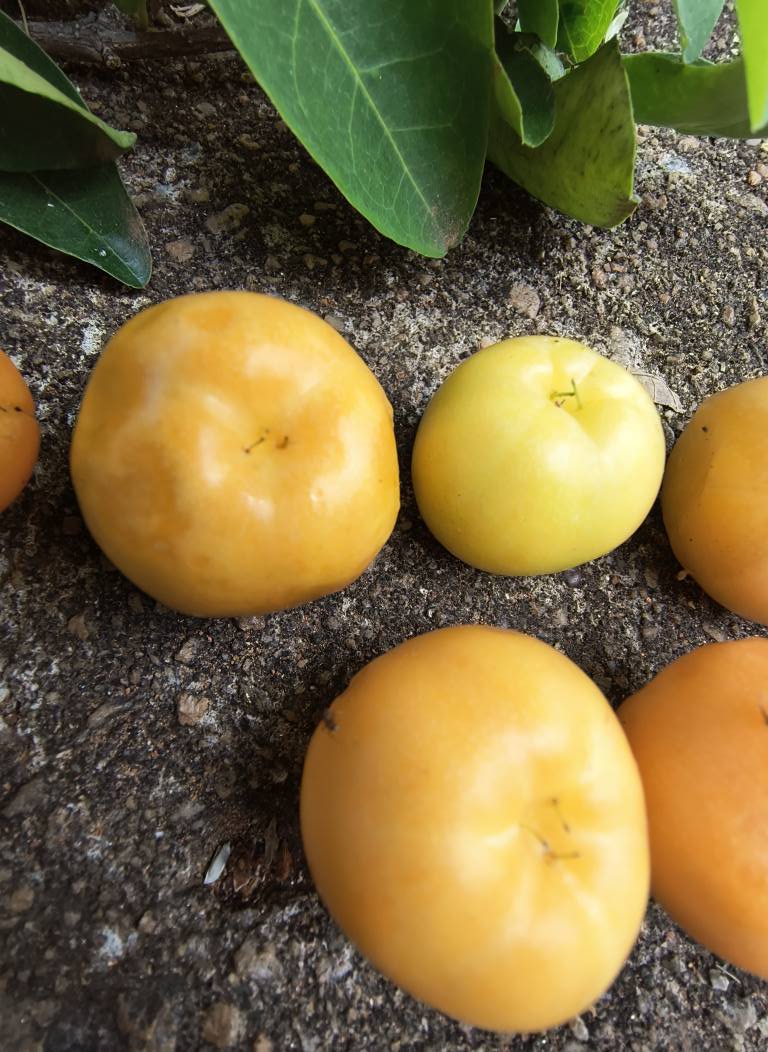
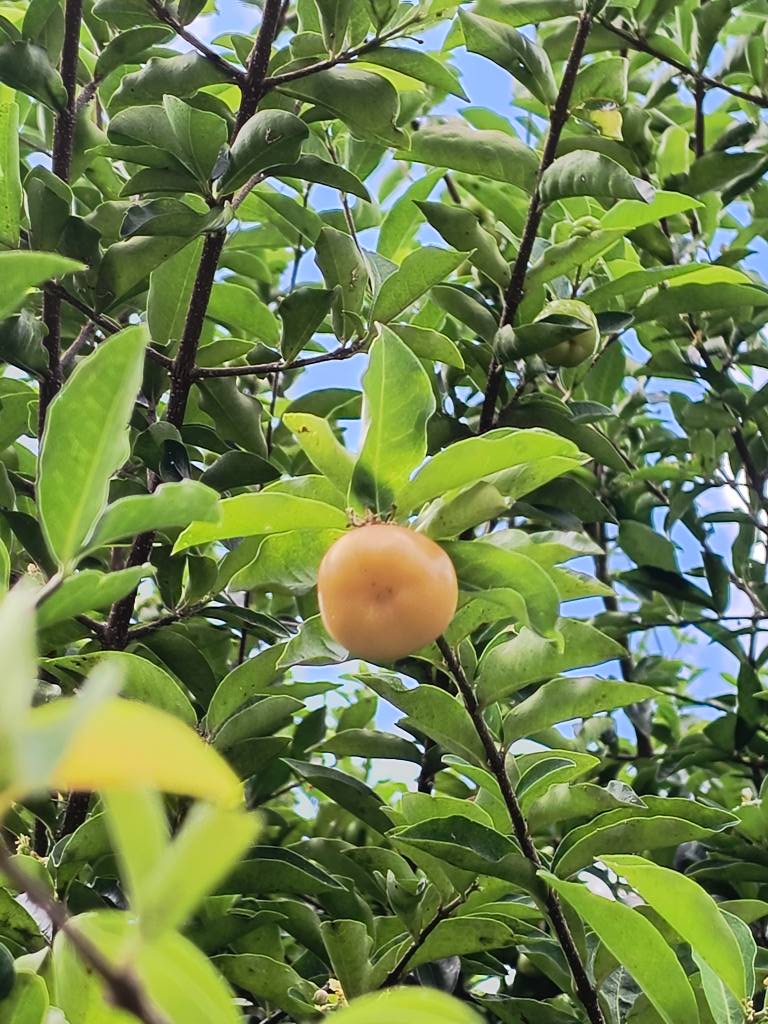
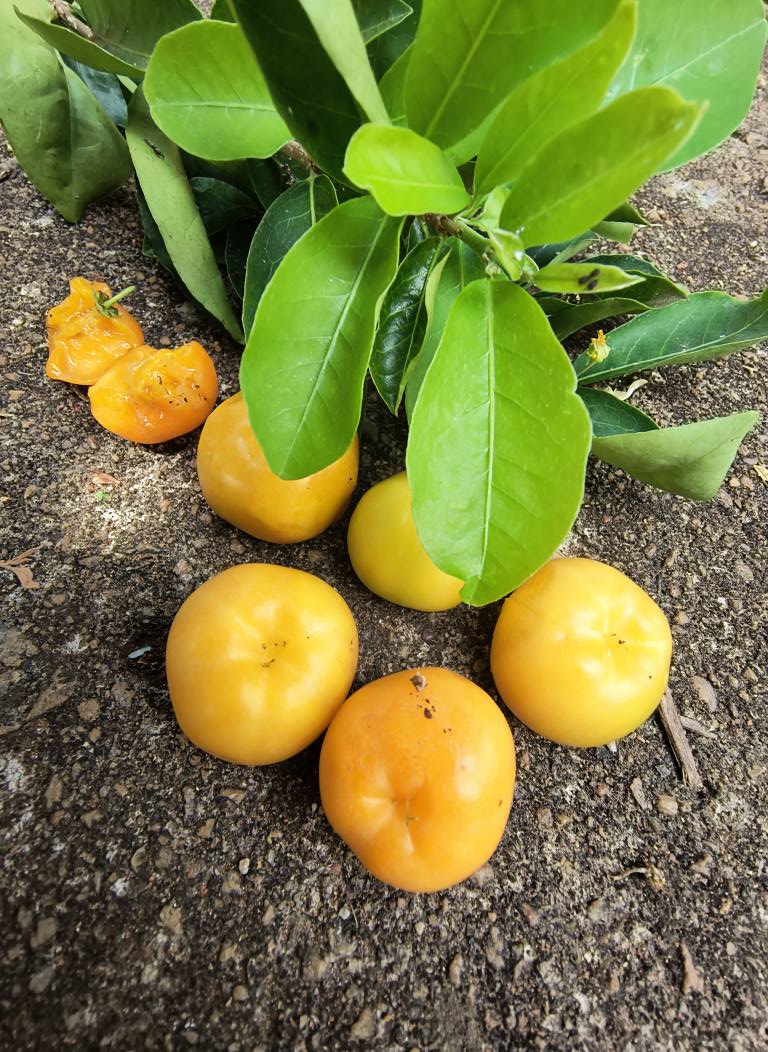
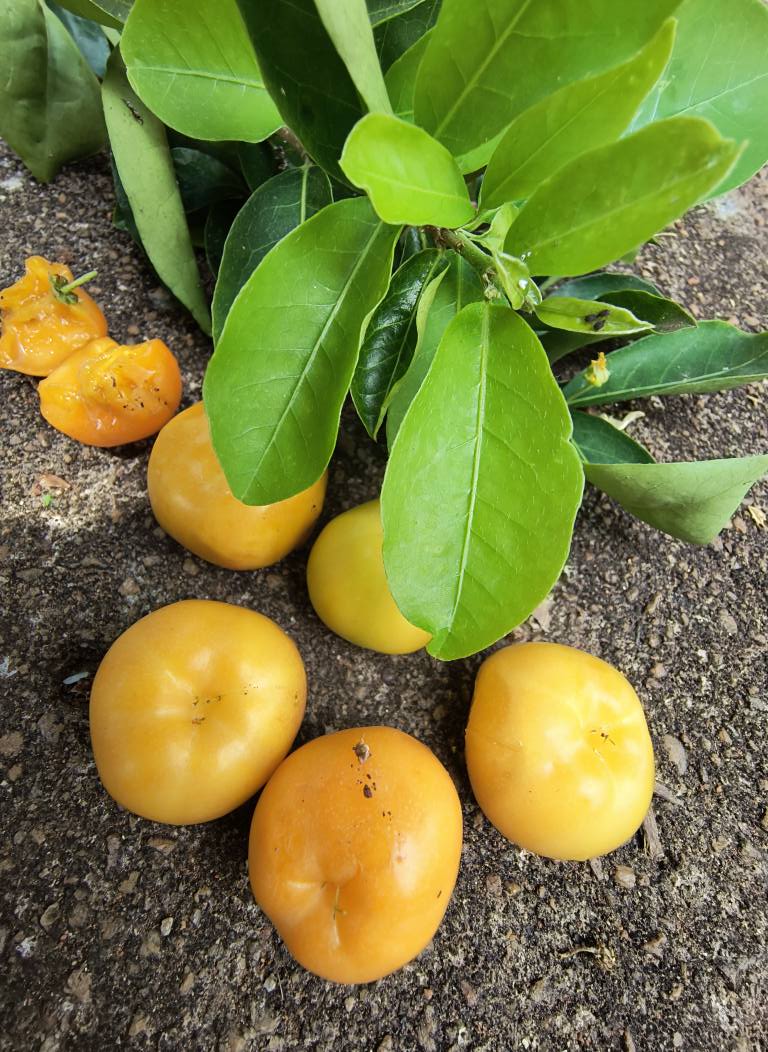
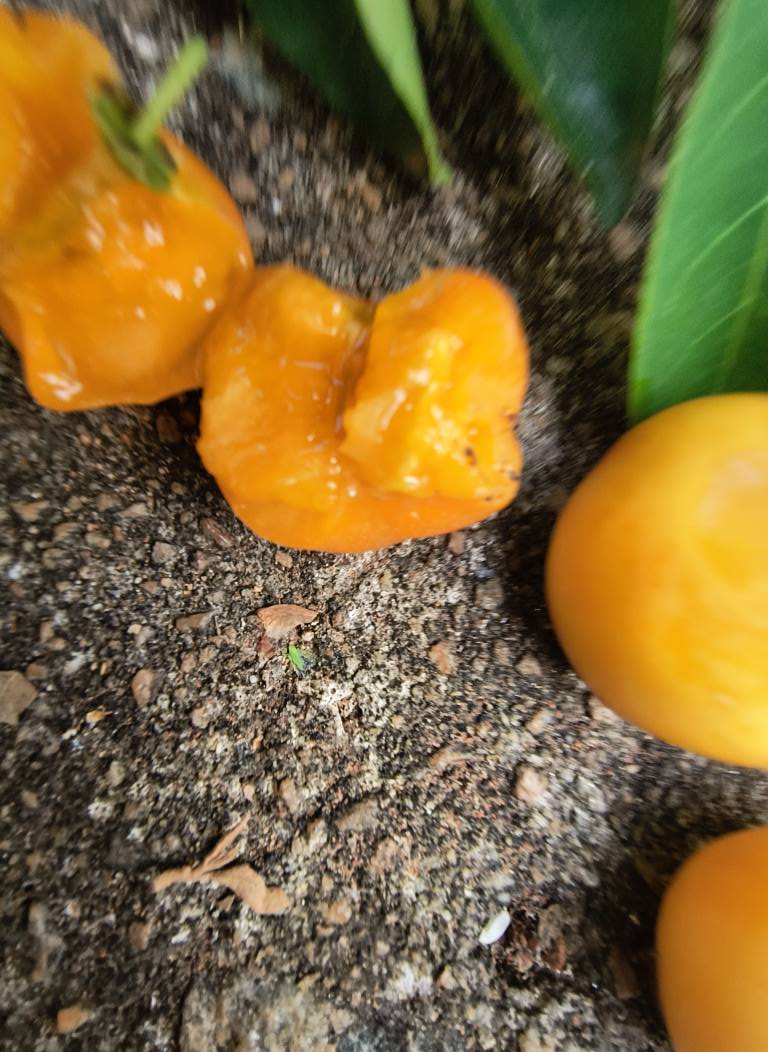
Yellow Acerola (Malpighia glabra)
Family / Familie: Malpighiaceae
origin from / Herkunft: South America
Climate / Klima: temperate to warm (10-30C / 50-86F) / gemäßigt bis warm (10-30C / 50-86F)
Use / Verwendung: edible fruits, juice, jam, ice cream, etc. / essbare Früchte, Säfte, Marmelade, Eis usw.
you buy / sie kaufen: 1 potted seedling, 1 getopfter Sämling
Delivery EU only
Yellow Acerola – Rare Natural Source of Vitamin C
Yes, you’re seeing it right – there is indeed a yellow variety of the Acerola cherry. This form is extremely rare and known only to a few.
The fruits are more sour than sweet and rank among the richest natural sources of vitamin C.
Just 100 g of fresh juice can contain between 1,000 and 1,500 mg of vitamin C – an exceptional amount.
The plant grows as a small, shrub-like tree and is well-suited for container cultivation.
It’s highly adaptable, tolerating a range of soils as well as both moisture and dry conditions.
Because the fruits are very perishable, they are usually processed quickly – often freeze-dried.
Please overwinter at temperatures above 10 °C (50 °F).
Gelbe Acerola – Seltene Vitamin-C-Quelle
Ja, Sie sehen richtig – es gibt tatsächlich eine gelbe Variante der Acerola-Kirsche. Diese Form ist extrem selten und bisher nur wenigen bekannt.
Die Früchte der Acerola sind eher säuerlich als süß und gehören zu den vitaminreichsten Früchten weltweit.
Bereits 100 g Frischsaft können zwischen 1.000 und 1.500 mg Vitamin C enthalten – ein außergewöhnlich hoher Wert.
Die Pflanze wächst strauchförmig und bleibt kompakt, was sie ideal für die Haltung im Kübel macht.
Sie ist anpassungsfähig, gedeiht in verschiedenen Substraten und kommt sowohl mit Feuchtigkeit als auch mit Trockenphasen gut zurecht.
Da die Früchte nur sehr kurz haltbar sind, werden sie meist direkt verarbeitet – oft gefriergetrocknet.
Bitte im Winter bei mindestens 10 °C halten.