
Grumixama (Eugenia brasiliensis) - 1 potted plant / 1 getopfte Pflanze

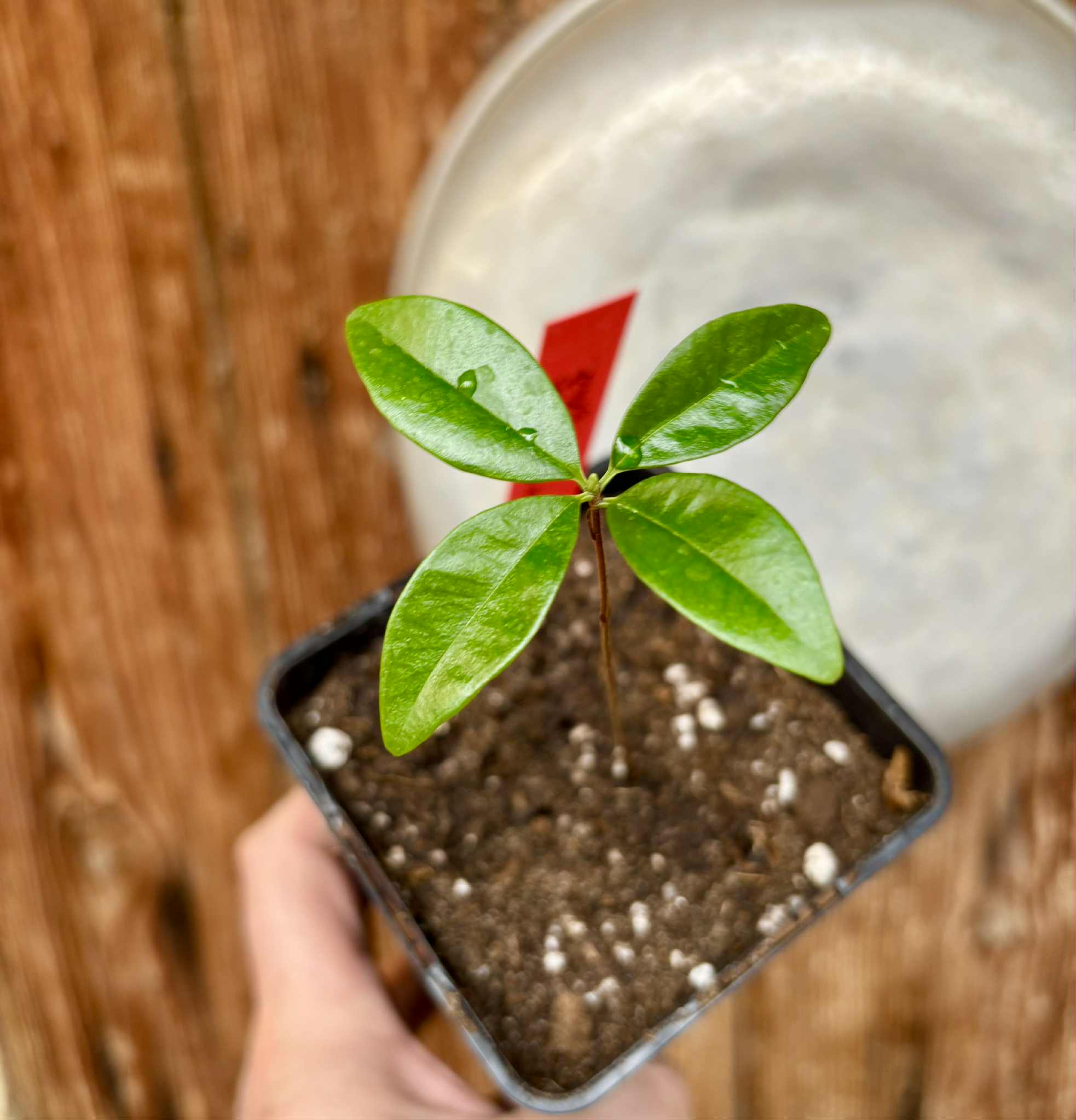

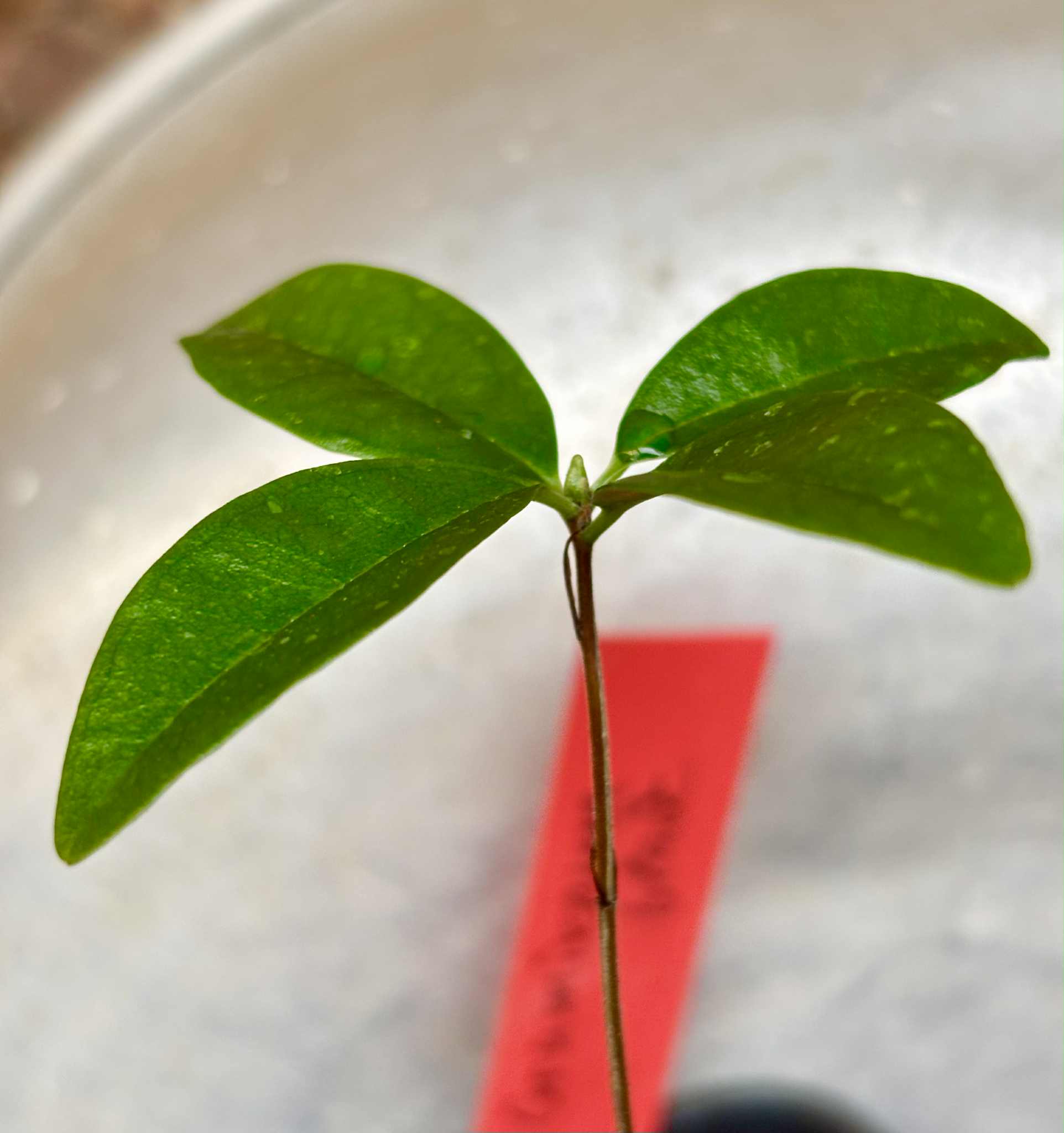

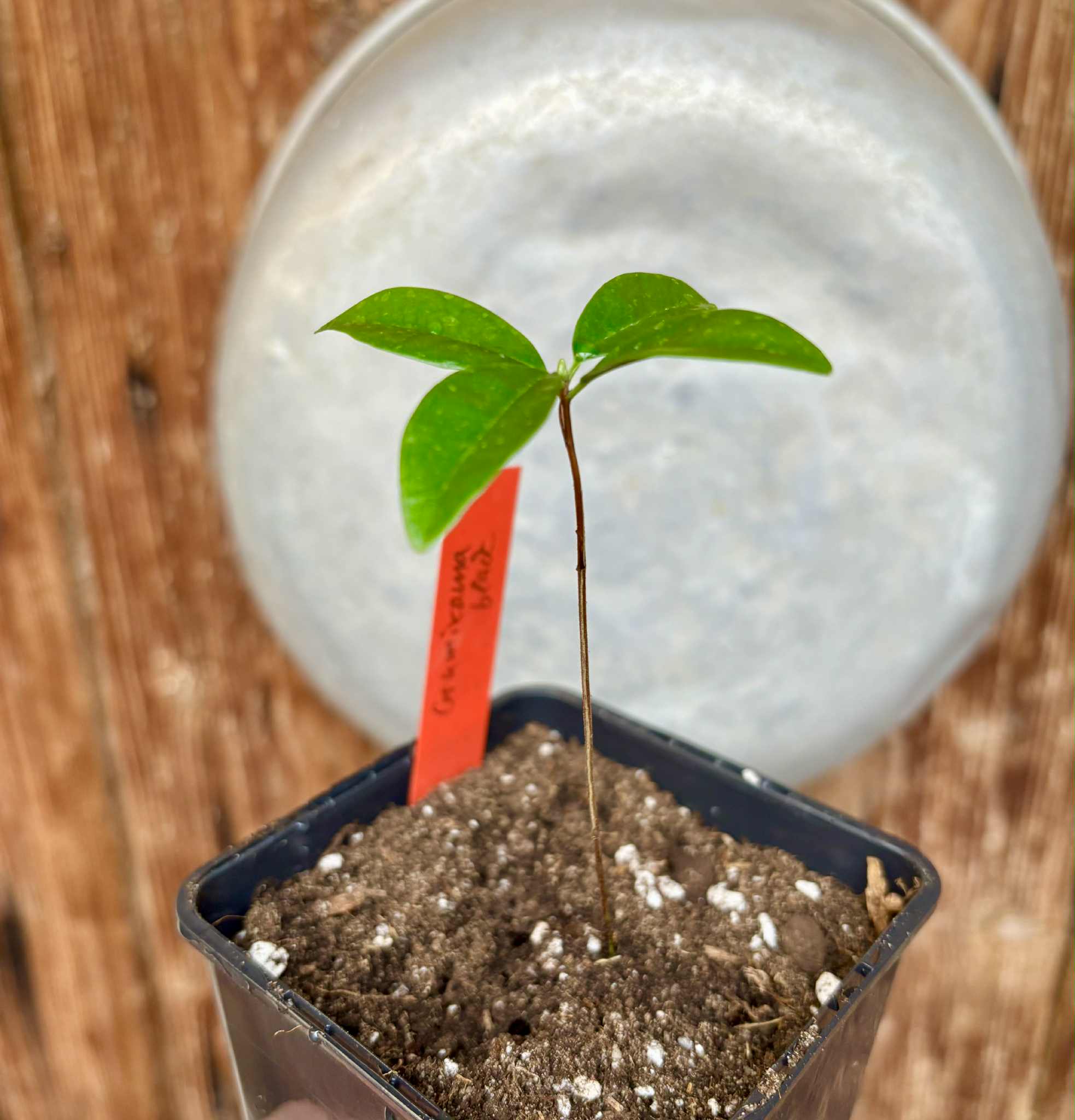

Eugenia brasiliensis - Grumixama
Family / Familie: Myrtaceae
origin from / Herkunft: Brasil / Brasilien
Climate / Klima: temperate (10-30C / 50-84F) / gemäßigt (10-30C / 50-84F)
Use / Verwendung: edible fruits, juice, jam, ice cream, etc. / essbare Früchte, Säfte, Marmelade, Eis usw.
you buy / sie kaufen: 1 potted plant / 1 getopfte Pflanze
Delivery EU only
Grumixama comes from the Tupi language and means "fruit that is brought to the mouth to be eaten."
This hints at its very good taste.
We can confirm this, as we have eaten these fruits several times ourselves.
The fruits are delicious and reminiscent of a berry mix with a very exotic flavor.
They are about 2.5 cm in diameter.
It is a fairly easy species to grow.
The leaves are a beautiful dark green and slightly leathery.
This tree originates from Brazil and is found there from Minas Gerais to Rio Grande do Sul. It grows to about 5 meters tall.
Of course, it can easily be pruned and kept smaller.
This plant is self-fertile and produces fruit on its own. Mature specimens suffer frost damage below -5 degrees Celsius.
This means that while this plant can tolerate frost for short periods, it is still best overwintered at a minimum of 10 degrees Celsius.
A sunny to partially shaded location is suitable.
Grumixama kommt aus der Tupi Sprache und bedeutet „Frucht die man zum Essen zum Munde führt“.
Das ist ein Hinweis auf den sehr guten Geschmack.
Wir können das bestätigen, denn wir haben diese Früchte auch schon mehrfach gegessen.
Die Früchte sind schmackhaft und erinnern an einen Beerenmix mit sehr exotischer Note.
Sie sind ca 2,5cm im Durchmesser.
Es ist eine ziemlich einfach zu ziehende Art.
Die Blätter haben ein schönes dunkelgrün und sind leicht ledrig.
Dieser Baum stammt aus Brasilien und kommt dort von Minas Gerais bis Rio Grande do Sul vor. Er wird ca. 5m groß.
Selbstverständlich kann er ohne Probleme beschnitten und kleiner gehalten werden.
Diese Pflanze ist selbstfertil und fruchtet allein. Ausgewachsene Exemplare erleiden Frostschäden ab -5 Grad.
Das bedeutet, dass diese Pflanze zwar kurzfristig Frost verträgt aber dennoch besser bei mindestens 10 Grad überwintert werden sollte.
Als Standort eignet sich ein sonniger bis halbschattiger Platz.