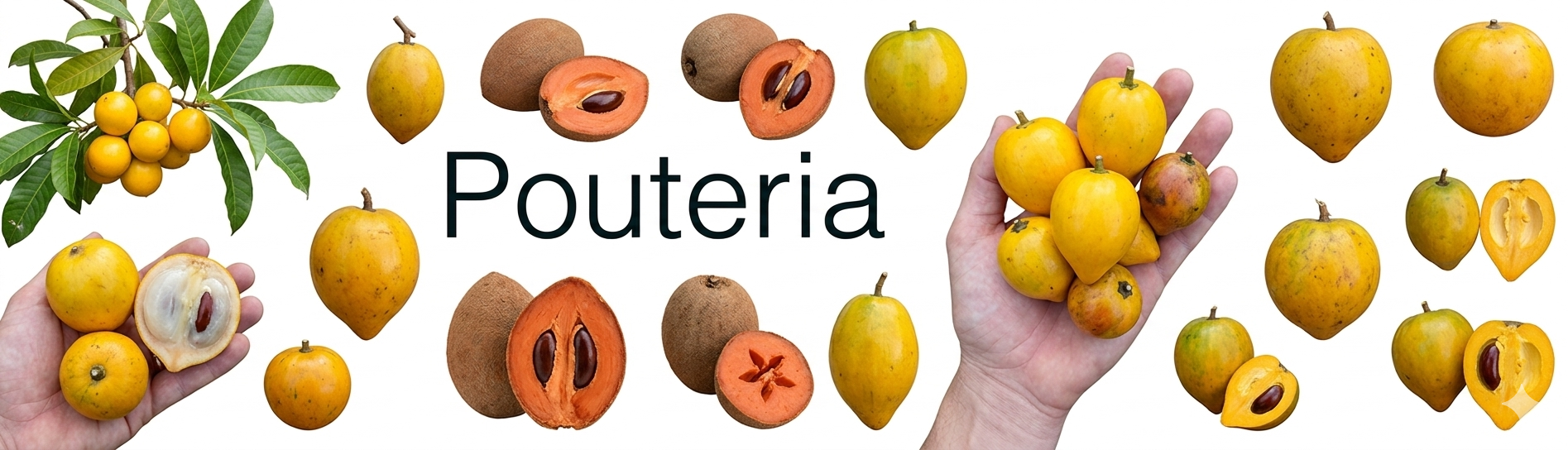
Discover the incredible variety of thePouteriafamily, known for creamy, custard-like fruits like Abiu, Canistel, and Mamey Sapote. These tropical treasures are a must-have for every rare fruit enthusiast. We offer high-qualityseeds and plantswith reliableshipping across Europe.
Entdecke die unglaubliche Vielfalt derPouteria-Familie, bekannt für cremige Früchte mit puddingartiger Textur wie Abiu, Canistel und Mamey Sapote. Diese tropischen Schätze sind ein Muss für jeden Liebhaber seltener Früchte. Wir bieten hochwertigeSamen und Pflanzenmit zuverlässigemVersand in ganz Europa.
Pouteria bangii Family / Familie: Sapotaceae origin from / Herkunft: Brasil / Brasilien Climate / Klima: temperate to warm (15-25C / 60-77F) / gemäßigt bis warm (15-25C / 60-77F) Taste / Geschmack: good taste / guter Geschmack you buy / sie kaufen: 1 potted plant / 1 getopfte PflanzeDelivery EU only
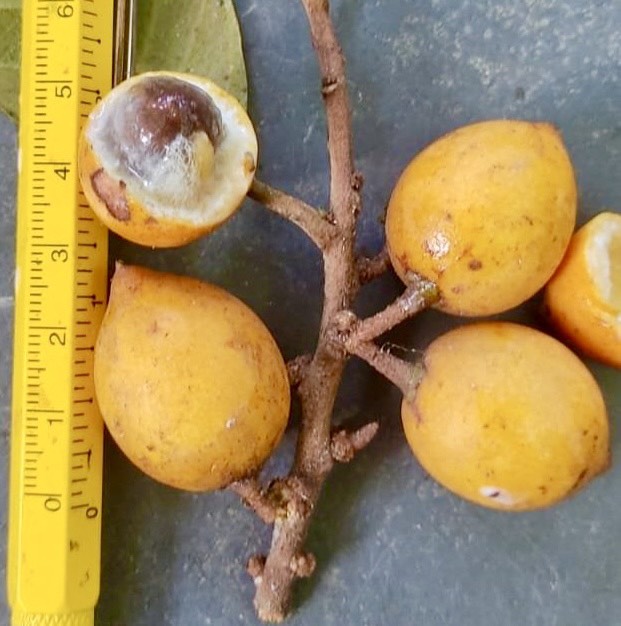
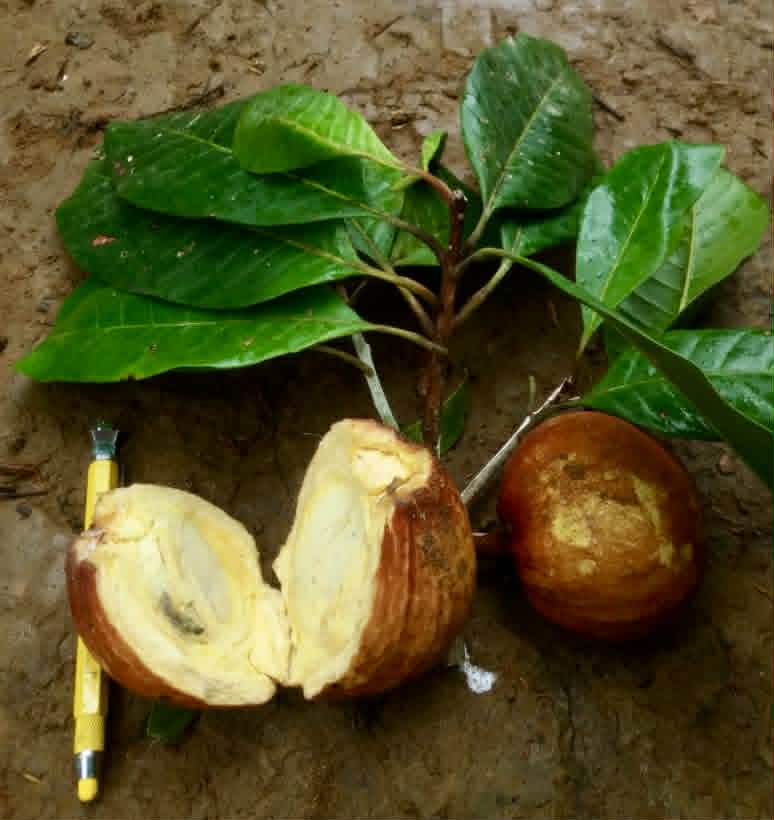
Pouteria bangii is a very rare fruit tree from the Sapotaceae family and comes from Bahia in Brazil.The tree has beautiful, typical Pouteria leaves.The small fruits are yellow and contain very sweet, juicy pulp.Please overwinter this Pouteria at a minimum of 10 degrees.Pouteria bangii ist ein sehr seltener Fruchtbaum aus der Familie der Sapotaceae und stammt aus Bahia in Brasilien.Der Baum bekommt wunderschöne, typische Pouteria Blätter.Die kleinen Früchte sind gelb und enthalten ein sehr süßes, saftiges Fruchtfleisch.Bitte diese Pouteria bei mindestens 10 Grad überwintern.
Pouteria macahensis
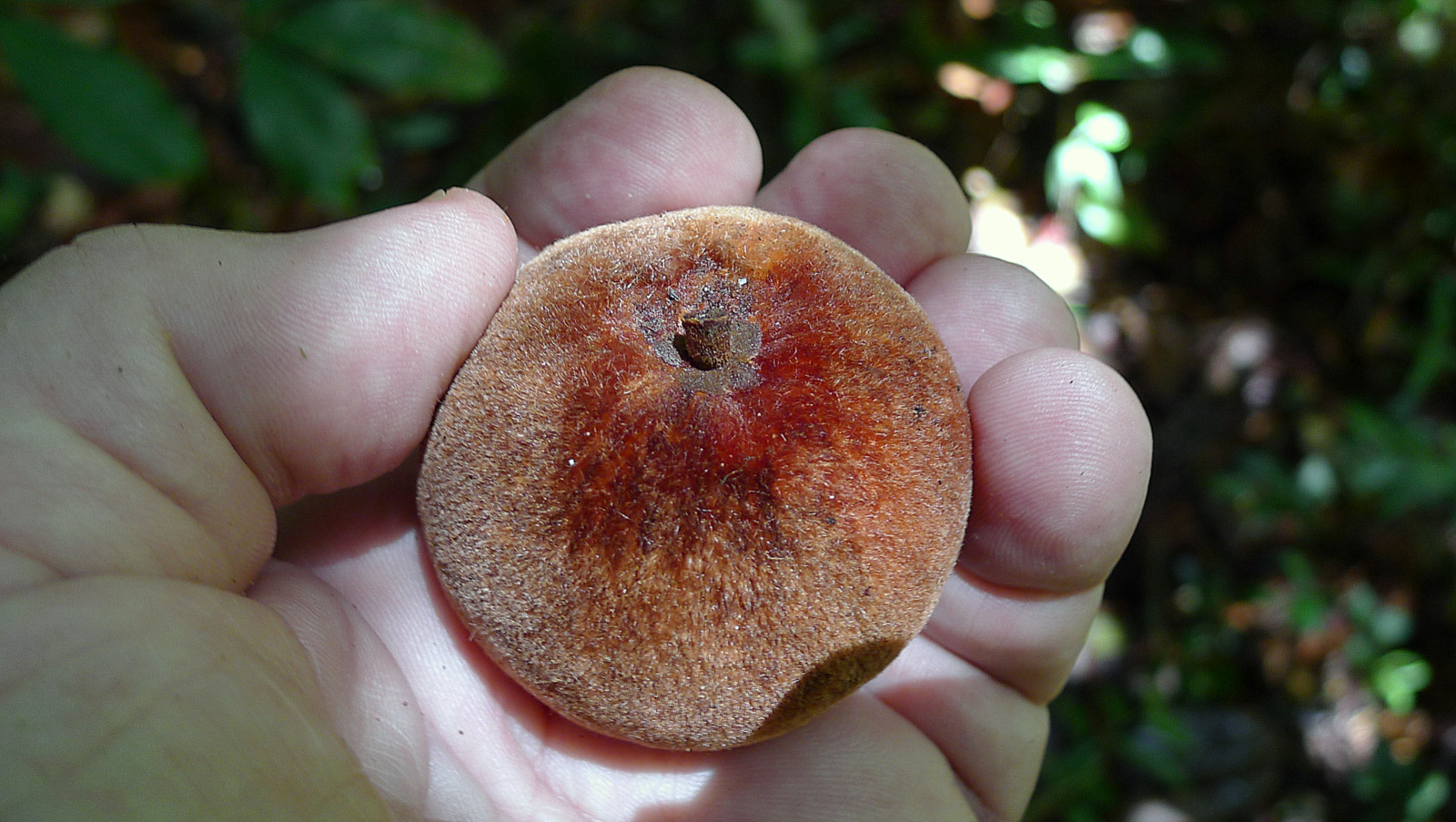
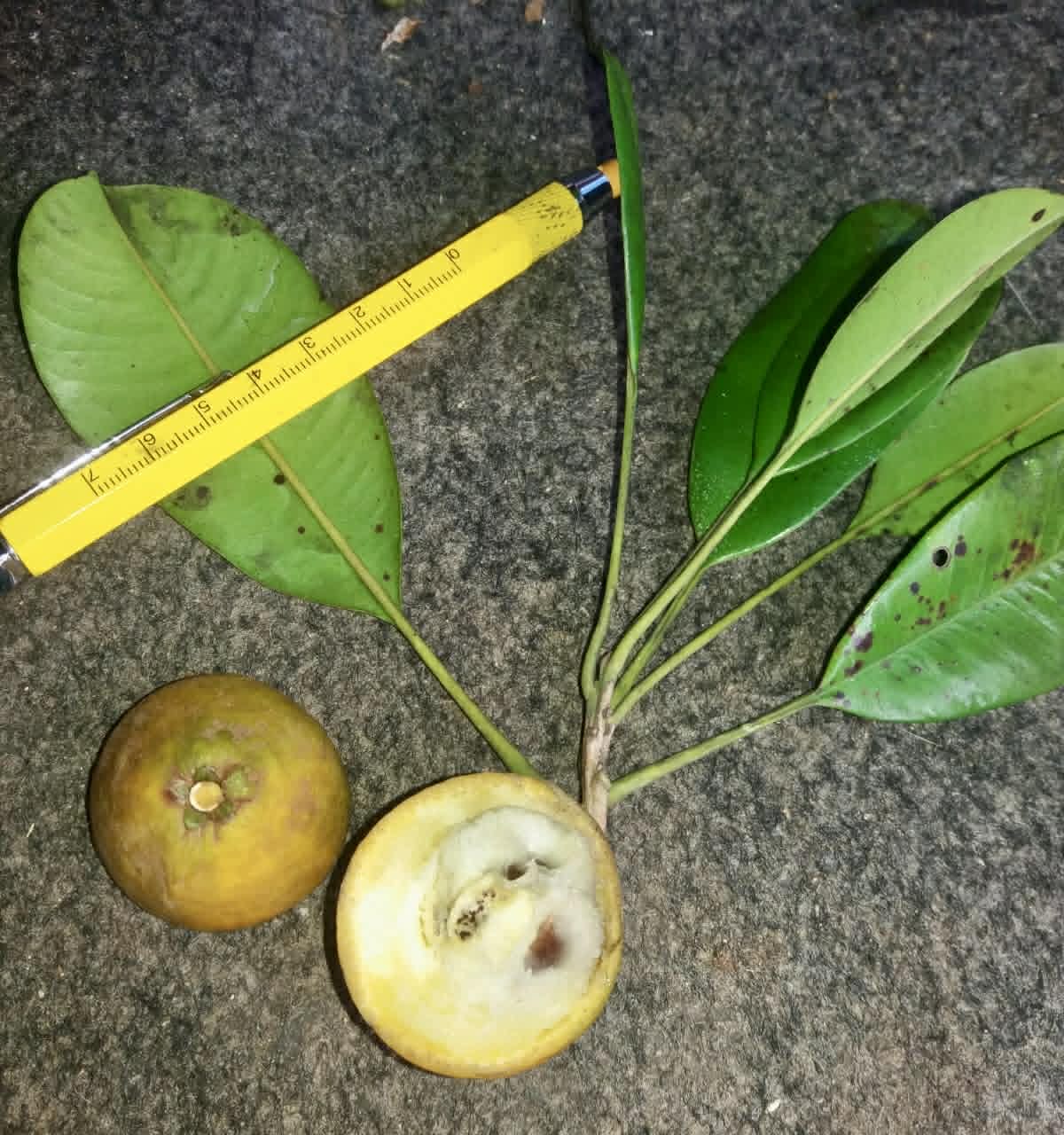
Family / Familie: Sapotaceaeorigin from / Herkunft: Brasil / BrasilienClimate / Klima: temperate to warm (15-30C / 59-86F) / gemäßigt bis warm (15-30C / 59-86F)Use / Verwendung: edible fruits, juice, jam, ice cream, etc. / essbare Früchte, Säfte, Marmelade, Eis usw.you buy / sie kaufen: 1 potted seedling / 1 getopfter SämlingDelivery EU onlyThis is one of the very rare sapotes from Brazil.The last two observations come from the Brazilian state of Espirito Santo.There the Mata Atlantica stretches to the Reserva Biologica de Sooretama.This species is on the IUCN list and is considered to be threatened with extinction.The tree is medium-sized with leaves typical of Pouteria.It grows near rivers and is fast-growing.The fruits have a velvety skin and edible flesh.Nothing is known about the taste of the fruits because it is too rare.Please overwinter this plant at a temperature of at least 15 degrees.Das ist eine der sehr seltenen Sapoten aus Brasilien.Die letzten beiden Beobachtungen stammen aus dem brasilianischen Bundesstaat Espirito Santo.Dort zieht sich der Mata Atlantica bis zum Reserva Biologica de Sooretama.Diese Art steht in der IUCN Liste und gilt als vom Aussterben bedroht.Der Baum ist mittelgroß mit Pouteria-typischen Blättern.Er wächst in Flußnähe und ist schnellwachsend.Die Früchte haben eine samtige Schale und essbares Fruchtfleisch.Über den Geschmack der Früchte ist nichts bekannt da er zu selten ist.Bitte diese Pflanze bei mindestens 15 Grad überwintern.
Pouteria sp Rondonia
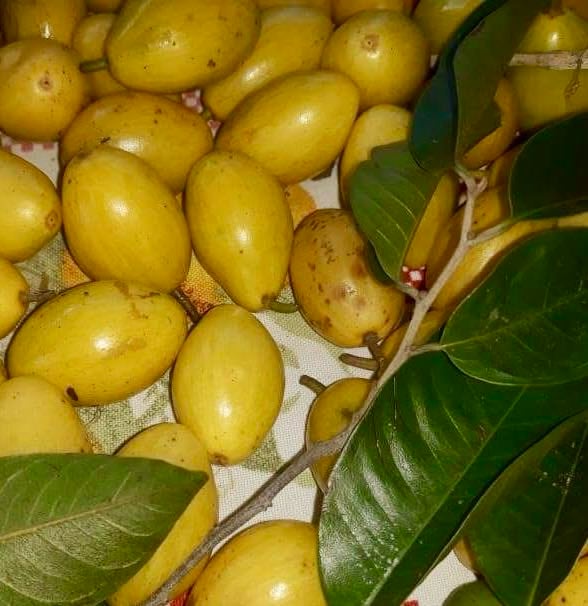
Family / Familie: Sapotaceaeorigin from / Herkunft: Brasil / BrasilienClimate / Klima: temperate to warm (15-25C / 64-77F) / gemäßigt bis warm (15-25C / 64-77F)Use / Verwendung: edible fruits, juice, jam, ice cream, etc. / essbare Früchte, Säfte, Marmelade, Eis usw.you buy / sie kaufen: 1 potted plant / 1 getopfte PflanzeDelivery EU onlyPouteria sp Rondonia – Delight from the Amazon
This Pouteria is a member of the sapote family, hails from the lush Amazon rainforest. This beautiful tree features large, elegant leaves and produces exquisite, aromatic fruits.
A Fruit Lover’s Dream
The fruits of this Pouteria are known for their juicy texture and rich, sweet flavor, making them a perfect treat when eaten fresh. They are also highly valued for making ice cream, desserts, creams, and juices due to their unique consistency and taste.
Care Guidelines
Origin: Amazon Rainforest
Growth: Medium-sized, elegant tree with broad, lush foliage
Fruit: juicy, sweet, aromatic; great for raw consumption or desserts
Uses: Fresh eating, ice creams, juices
Soil: Well-draining, humus-rich substrate
Light: Prefers a warm, bright, sheltered location
Watering: Regular, but avoid waterlogging
Overwintering: Keep at a minimum of 15°C (59°F)
A rare tropical species with gourmet appeal, perfect for those who appreciate botanical rarities and flavorful treasures from the rainforest.
Pouteria sp Rondonia – Köstlichkeit aus dem Amazonas
Diese Pouteria ist ein Mitglied der Sapoten-Familie und stammt aus dem tiefen Amazonas-Regenwald.Sie ist nicht nur ein optisch ansprechender Baum mit prächtigen, großen Blättern, sondern trägt auch außergewöhnlich wohlschmeckende Früchte.
Fruchtgenuss der besonderen Art
Die Früchte dieser Pouteria überzeugen durch ihre saftige Konsistenz und ein intensives, süßes Aroma, das sie besonders beliebt für den Rohverzehr, aber auch zur Herstellung von Eis, Cremes oder Säften macht.
Pflegehinweise
Herkunft: Amazonas-Regenwald
Wuchs: Kräftiger Baum mit auffällig großen Blättern
Frucht: saftig, aromatisch, vielseitig verwendbar
Verwendung: frisch verzehrbar, ideal für Desserts und Säfte
Standort: warm, hell, geschützt
Substrat: durchlässige, humusreiche Erde
Überwinterung: Mindestens 15 °C erforderlich
Ein seltener Exot mit großem Potenzial. Ideal für alle, die das Besondere lieben und tropische Pflanzenvielfalt sammeln oder kultivieren möchten.
Pouteria aff. macrocarpaFamily / Familie: Sapotaceaeorigin from / Herkunft: Brasil / BrasilienClimate / Klima: temperate (15-30C / 59-84F) / gemäßigt (15-30C / 59-84F) Use / Verwendung: edible fruits, juice, jam, ice cream, etc. / essbare Früchte, Säfte, Marmelade, Eis usw.you buy / sie kaufen: 1 germinated seed / 1 gekeimter SamenDelivery EU onlyPouteria aff. macrocarpa / Bahia Giant SapotePouteria aff. macrocarpa is an extremely rare and visually impressive wild fruit rarity belonging to the Sapodilla family (Sapotaceae).Discovered in the humid Mata Atlântica coastal rainforests of Bahia, Brazil, this close relative of Pouteria macrocarpa represents a true large-fruited highlight among Neotropical exotics.Its botanical epithet macrocarpa refers directly to its defining feature: it produces remarkably large, substantial fruits with a firm, brownish-yellow to reddish-brown rind.Opening the protective outer shell reveals dense, creamy pulp of a pale yellow to custard-like hue, wrapping around a large central seed.On the palate, the melting flesh delivers a deliciously sweet and complex dessert flavor reminiscent of a fine blend between canistel, ripe sapodilla, vanilla custard, and rich caramel.Beyond its culinary merits, the plant features stunning, glossy, leathery deep-green foliage, giving it an exceptionally stately and ornamental look.In cultivation, Pouteria aff. macrocarpa makes a prized collector centerpiece for warm conservatories and greenhouses.For optimal growth, it prefers a bright to semi-shaded location with high humidity, along with a rich, well-draining substrate kept consistently moist.As a strictly tropical rainforest species, it cannot tolerate frost and must be overwintered in a bright, warm location at a minimum temperature of 12 to 15 °C (54 to 59 °F).Pouteria aff. macrocarpa / Bahia-Riesen-SapotilleDie Pouteria aff. macrocarpa ist eine extrem seltene und spektakuläre Wildfrucht-Rarität aus der Familie der Sapotengewächse (Sapotaceae).Gefunden in den feuchten küstennahen Regenwäldern des Mata Atlântica im brasilianischen Bundesstaat Bahia, gehört diese nähere Verwandte von Pouteria macrocarpa zu den absoluten Großfrucht-Sensationen unter den neotropischen Exoten.Ihr botanischer Namenszusatz macrocarpa nimmt direkt Bezug auf ihr prägendstes Merkmal: Sie bildet erstaunlich große, stattliche Früchte mit einer festen, braun-gelblichen bis rotbraunen Schale aus.Öffnet man die schützende Hülle, offenbart sich ein dichtes, cremiges Fruchtfleisch von hellgelber bis cremefarbener Nuance, das den großen Samen umgibt.Geschmacklich verwöhnt das schmelzende Fruchtfleisch den Gaumen mit einem herrlich süßen, komplexen Dessert-Aroma, das an eine Mischung aus feiner Canistel, reifer Sapotille, Vanillecreme und Karamell erinnert.Neben den kulinarischen Qualitäten besticht die Pflanze durch ihr wunderschönes, glänzendes und ledriges Laub von tiefgrüner Farbe, was ihr ein äußerst edles Erscheinungsbild verleiht.In Kultur erweist sich Pouteria aff. macrocarpa als hochkarätiges Sammlerstück für den Wintergarten oder das beheizte Gewächshaus.Für ein optimales Gedeihen bevorzugt sie einen hellen bis halbschattigen Standort bei hoher Luftfeuchtigkeit sowie ein humusreiches, gut durchlässiges Substrat, das stets leicht feucht gehalten wird.Als rein tropische Regenwaldart ist sie frostempfindlich und muss an einem hellen Ort warm bei mindestens 12 bis 15 Grad Celsius überwintert werden.
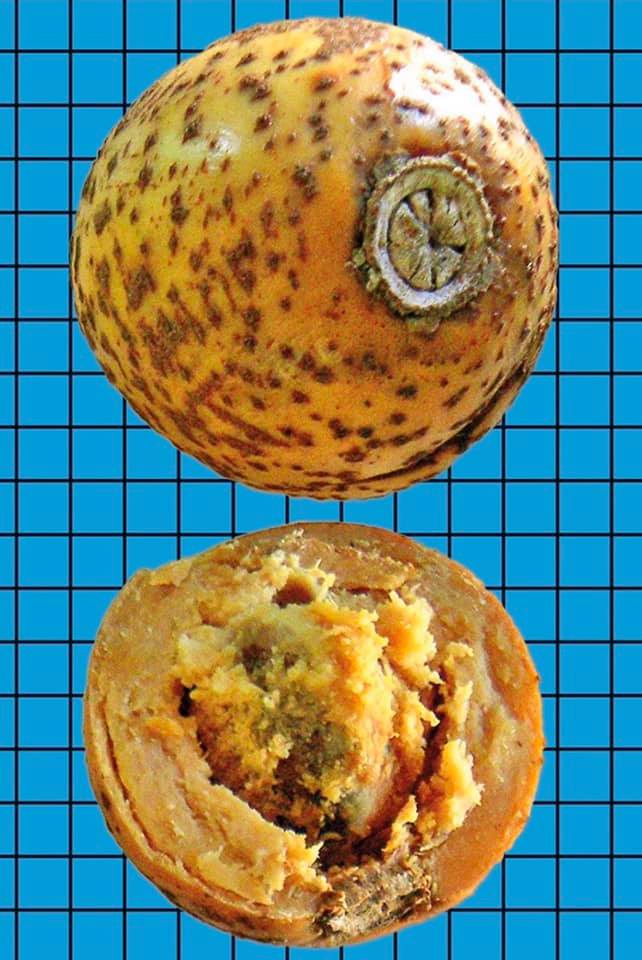
Pouteria macahensis var. Itacaré Family / Familie: Sapotaceaeorigin from / Herkunft: Brasil / BrasilienClimate / Klima: temperate (15-30C / 59-84F) / gemäßigt (15-30C / 59-84F) Use / Verwendung: edible fruits, juice, jam, ice cream, etc. / essbare Früchte, Säfte, Marmelade, Eis usw.you buy / sie kaufen: 1 fresh seed / 1 frischer SamenDelivery EU onlyPouteria macahensis var. Itacaré / Itacaré Golden SapotePouteria macahensis var. Itacaré is a very rare and exceptionally delicious wild fruit selection belonging to the Sapodilla family (Sapotaceae).Native to the lush coastal rainforests surrounding Itacaré in Bahia, Brazil (Mata Atlântica), this distinct local form stands out as a true culinary treasure.Visually, the variety impresses with rounded to slightly ovoid fruits encased in a smooth, vibrant golden-yellow skin, beautifully paired with leathery, rich green foliage.Cutting the fruit open reveals dense, creamy pulp of a pale yellow to custard-like hue surrounding a central seed.Flavor-wise, this selection is a standout among Sapotaceae: the melting, smooth pulp delivers an intensely sweet and balanced taste profile reminiscent of vanilla custard, crème brûlée, and sweet maple syrup.Thanks to its superior eating quality and attractive growth habit, it is considered a top-tier collection piece among rare fruit enthusiasts.In cultivation, Pouteria macahensis var. Itacaré performs wonderfully as an exclusive container specimen for conservatories or warm greenhouses.For optimal growth, it prefers a bright to semi-shaded location with high humidity, along with a rich, slightly acidic, well-draining substrate kept consistently moist.As a strictly tropical rainforest species, it cannot tolerate frost and must be overwintered in a bright, warm location at a minimum temperature of 12 to 15 °C (54 to 59 °F).Pouteria macahensis var. Itacaré / Gold-Sapotille aus ItacaréDie Pouteria macahensis var. Itacaré ist eine sehr seltene und ausgesprochen wohlschmeckende Wildfrucht-Varietät aus der Familie der Sapotengewächse (Sapotaceae).Herkunftsmäßig stammt diese besondere Lokalform aus den artenreichen Küstenregenwäldern rund um Itacaré im brasilianischen Bundesstaat Bahia (Mata Atlântica).Schon optisch beeindruckt die Sorte durch ihre rundlichen bis leicht eiförmigen Früchte mit einer glatten, leuchtend gelb-goldenen Schale und das auffällig ledrige, tiefgrüne Laub mit seinen eleganten Blattstielen.Beim Aufschneiden zeigt sich das dichte, cremige Fruchtfleisch von hellgelber bis fast weißlicher Farbe, das den zentralen Samen umschließt.Geschmacklich ist diese Variante ein absolutes Highlight unter den Sapoten: Das schmelzende Fruchtfleisch begeisterte durch eine intensiv süße, harmonische Note, die an feinen Vanillepudding, Crème Brûlée und süßen Ahornsirup erinnert.Dank ihrer hervorragenden Fruchtqualität und des edlen Wuchses gilt sie in Sammlerkreisen als eine der leckersten und begehrtesten lokalen Pouteria-Auslesen überhaupt.In Kultur lässt sich Pouteria macahensis var. Itacaré hervorragend als exklusive Kübelpflanze im Wintergarten oder im beheizten Gewächshaus halten.Für ein optimales Gedeihen bevorzugt sie einen hellen bis halbschattigen Standort bei hoher Luftfeuchtigkeit sowie ein humusreiches, leicht saures und gut durchlässiges Substrat, das stets feucht gehalten wird.Als tropische Regenwaldart verträgt sie keinerlei Frost und muss an einem hellen Ort warm bei mindestens 12 bis 15 Grad Celsius überwintert werden.
Pouteria aff. macrocarpaFamily / Familie: Sapotaceaeorigin from / Herkunft: Brasil / BrasilienClimate / Klima: temperate (15-30C / 59-84F) / gemäßigt (15-30C / 59-84F) Use / Verwendung: edible fruits, juice, jam, ice cream, etc. / essbare Früchte, Säfte, Marmelade, Eis usw.you buy / sie kaufen: 1 fresh seed / 1 frischer SamenDelivery EU onlyPouteria aff. macrocarpa / Bahia Giant SapotePouteria aff. macrocarpa is an extremely rare and visually impressive wild fruit rarity belonging to the Sapodilla family (Sapotaceae).Discovered in the humid Mata Atlântica coastal rainforests of Bahia, Brazil, this close relative of Pouteria macrocarpa represents a true large-fruited highlight among Neotropical exotics.Its botanical epithet macrocarpa refers directly to its defining feature: it produces remarkably large, substantial fruits with a firm, brownish-yellow to reddish-brown rind.Opening the protective outer shell reveals dense, creamy pulp of a pale yellow to custard-like hue, wrapping around a large central seed.On the palate, the melting flesh delivers a deliciously sweet and complex dessert flavor reminiscent of a fine blend between canistel, ripe sapodilla, vanilla custard, and rich caramel.Beyond its culinary merits, the plant features stunning, glossy, leathery deep-green foliage, giving it an exceptionally stately and ornamental look.In cultivation, Pouteria aff. macrocarpa makes a prized collector centerpiece for warm conservatories and greenhouses.For optimal growth, it prefers a bright to semi-shaded location with high humidity, along with a rich, well-draining substrate kept consistently moist.As a strictly tropical rainforest species, it cannot tolerate frost and must be overwintered in a bright, warm location at a minimum temperature of 12 to 15 °C (54 to 59 °F).Pouteria aff. macrocarpa / Bahia-Riesen-SapotilleDie Pouteria aff. macrocarpa ist eine extrem seltene und spektakuläre Wildfrucht-Rarität aus der Familie der Sapotengewächse (Sapotaceae).Gefunden in den feuchten küstennahen Regenwäldern des Mata Atlântica im brasilianischen Bundesstaat Bahia, gehört diese nähere Verwandte von Pouteria macrocarpa zu den absoluten Großfrucht-Sensationen unter den neotropischen Exoten.Ihr botanischer Namenszusatz macrocarpa nimmt direkt Bezug auf ihr prägendstes Merkmal: Sie bildet erstaunlich große, stattliche Früchte mit einer festen, braun-gelblichen bis rotbraunen Schale aus.Öffnet man die schützende Hülle, offenbart sich ein dichtes, cremiges Fruchtfleisch von hellgelber bis cremefarbener Nuance, das den großen Samen umgibt.Geschmacklich verwöhnt das schmelzende Fruchtfleisch den Gaumen mit einem herrlich süßen, komplexen Dessert-Aroma, das an eine Mischung aus feiner Canistel, reifer Sapotille, Vanillecreme und Karamell erinnert.Neben den kulinarischen Qualitäten besticht die Pflanze durch ihr wunderschönes, glänzendes und ledriges Laub von tiefgrüner Farbe, was ihr ein äußerst edles Erscheinungsbild verleiht.In Kultur erweist sich Pouteria aff. macrocarpa als hochkarätiges Sammlerstück für den Wintergarten oder das beheizte Gewächshaus.Für ein optimales Gedeihen bevorzugt sie einen hellen bis halbschattigen Standort bei hoher Luftfeuchtigkeit sowie ein humusreiches, gut durchlässiges Substrat, das stets leicht feucht gehalten wird.Als rein tropische Regenwaldart ist sie frostempfindlich und muss an einem hellen Ort warm bei mindestens 12 bis 15 Grad Celsius überwintert werden.
Butter Sapote (Pouteria butyrocarpa) Family / Familie: Sapotaceae origin from / Herkunft: Brasil / Brasilien Climate / Klima: temperate to warm (10-25C / 50-77F) / gemäßigt bis warm (10-25C / 50-77F) Taste / Geschmack: good taste / guter Geschmack you buy / sie kaufen: 1 germinated seed / 1 gekeimter Samen Delivery worldwidePouteria butyrocarpa comes from part of the Atlantic Rainforest in Bahia Brazil. It is an absolute delight and the creamy flesh actually tastes buttery, like cream with chocolate powder. This pouteria is one of the best tasting fruits from the sapote family. It is a sapote with beautiful elongated leaves. In Brazil it blooms for the first time after about 6 years. It can tolerate 0 degrees for a short time and can therefore be overwintered at at least 10 degrees.Pouteria butyrocarpa stammt aus einem Teil des Atlantischen Regenwaldes in Bahia Brasilien. Es ist eine absolute Köstlichkeit und das cremige Fruchtfleisch schmeckt tatsächlich buttrig, wie Sahne mit Schokoladenpulver. Diese Pouteria ist eine der am besten schmeckenden Früchte aus der Sapotenfamilie. Es ist eine Sapotenart mit wunderschönen länglichen Blättern. In Brasilien blüht sie nach ca. 6 Jahren das erste mal. Sie verträgt kurzfristig 0 Grad und kann daher bei mindestens 10 Grad überwintert werden.