Wallichia disticha - 1 potted seedling / 1 getopfter Sämling
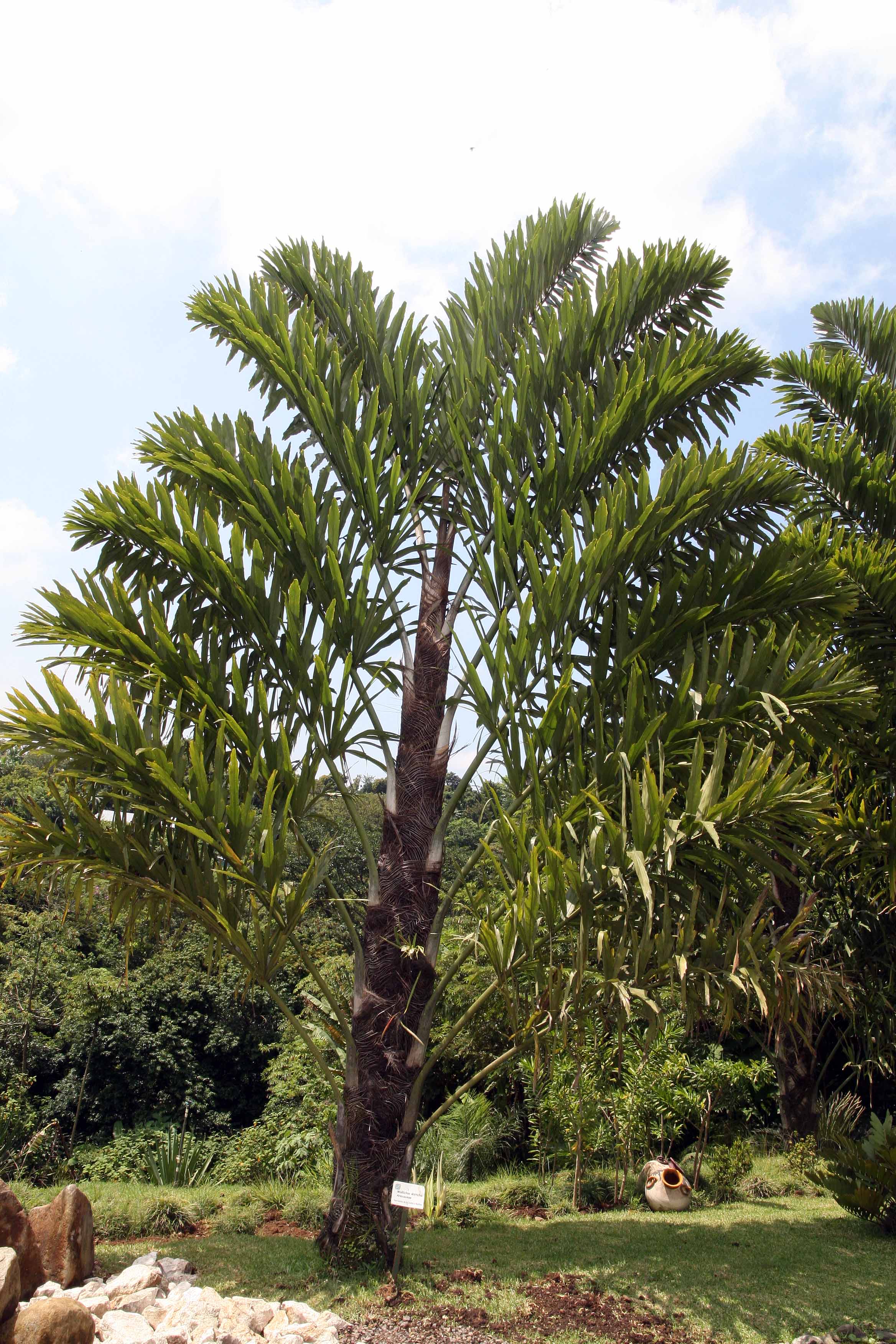
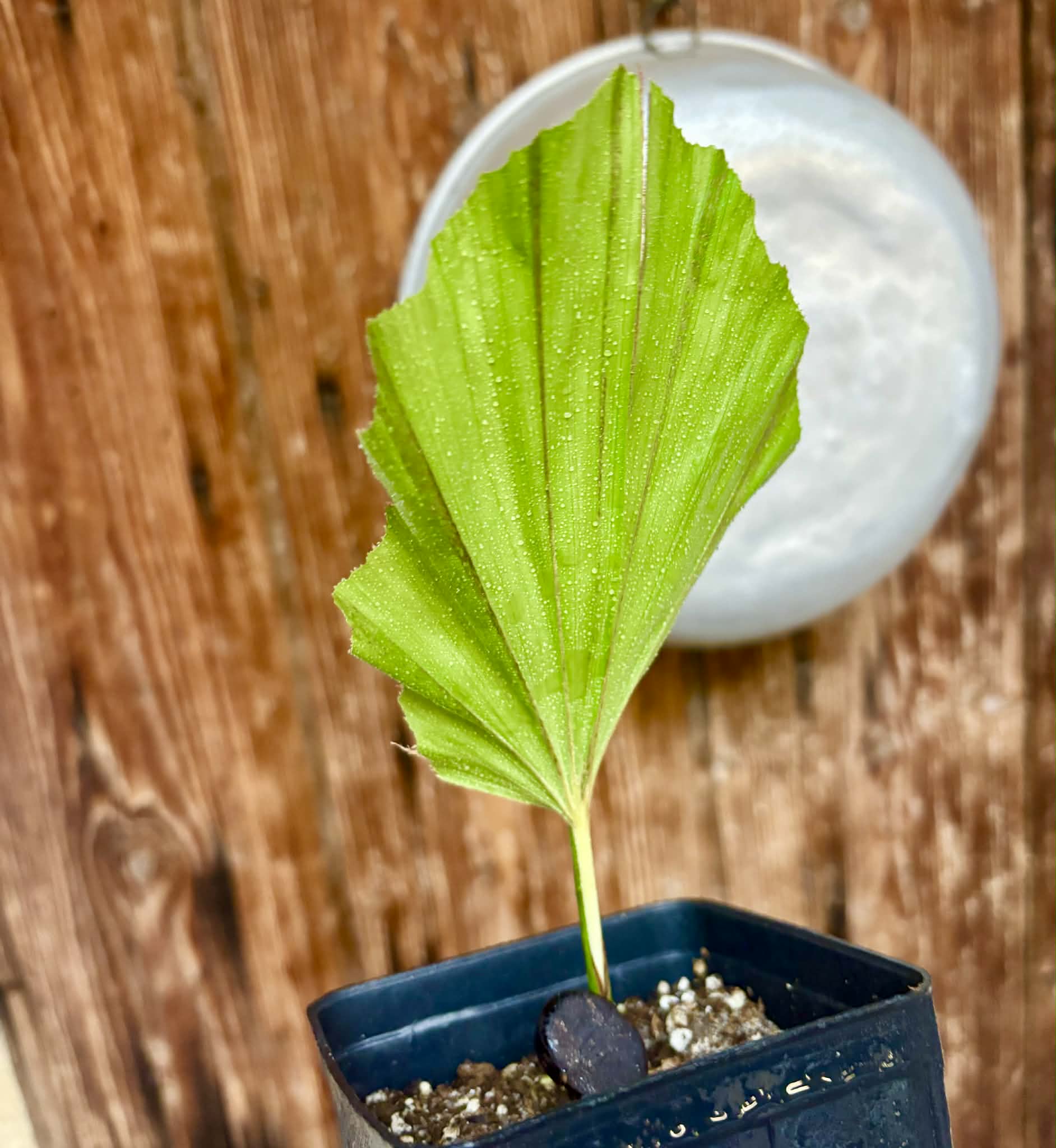
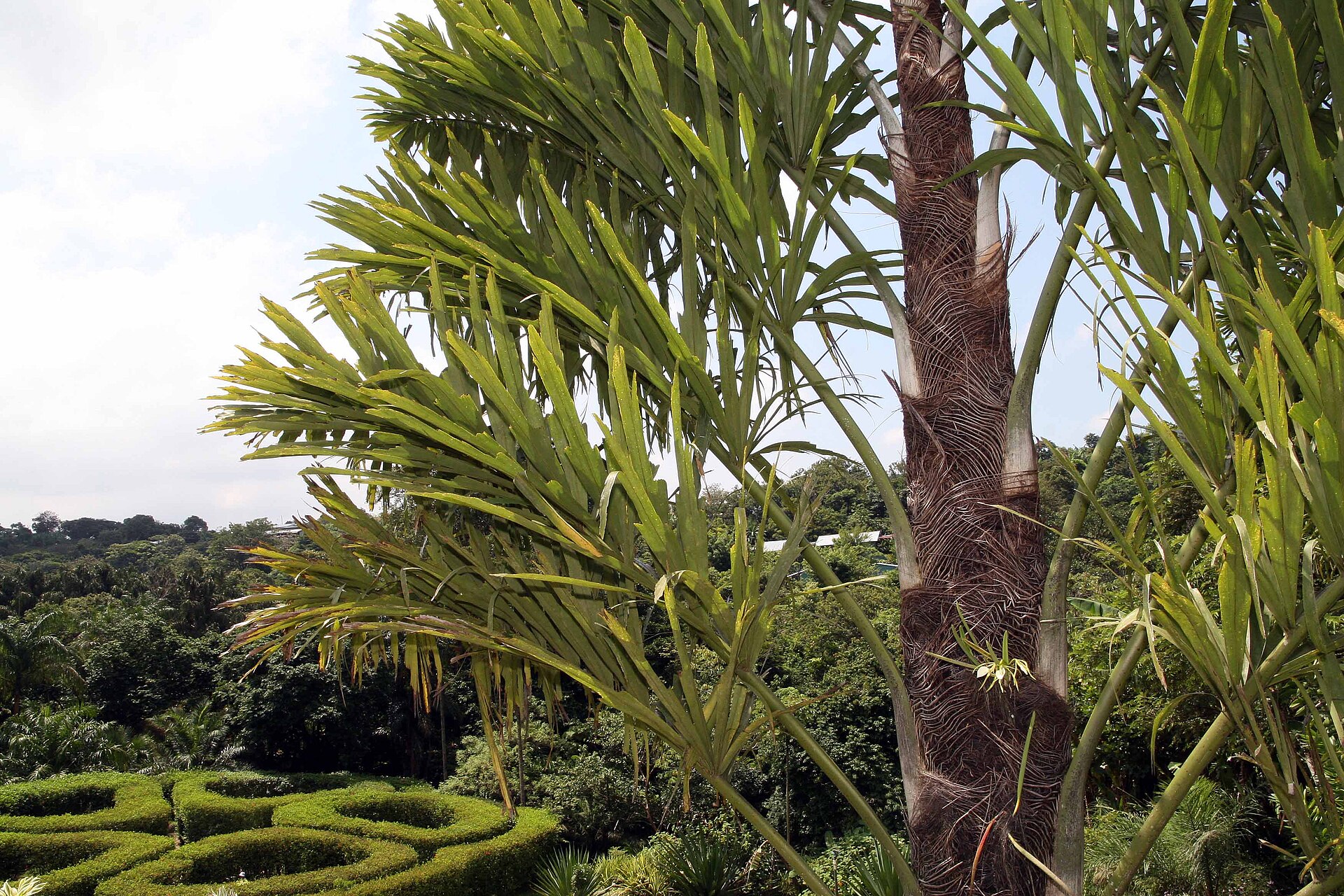
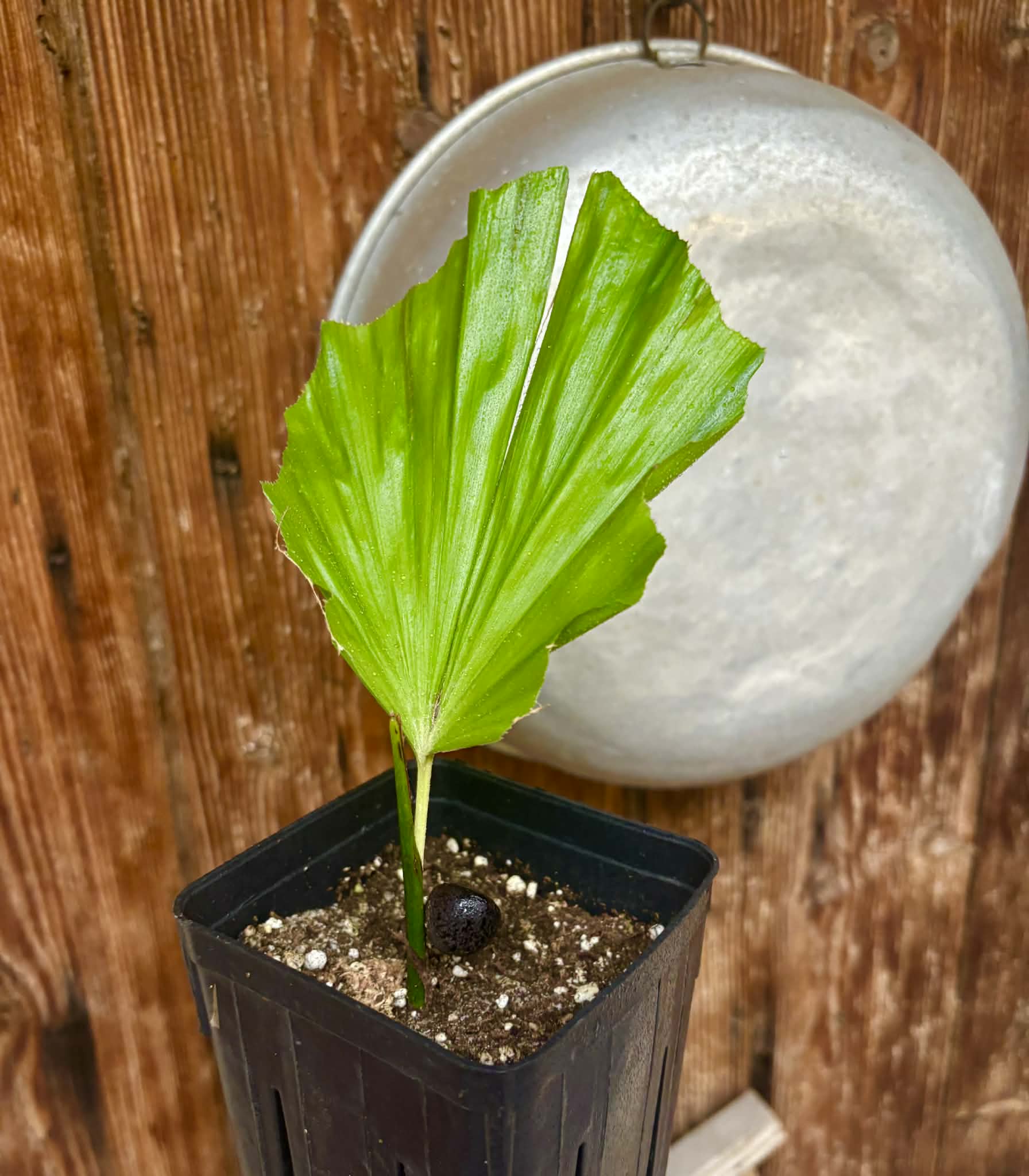
Wallichia disticha
Family / Familie: Arecaceae
origin from / Herkunft: Thailand
Climate / Klima: temperate to warm (10-30C / 50-86F) / gemäßigt bis warm (10-30C / 50-86F)
Use / Verwendung: edible fruits, juice, jam, ice cream, etc. / essbare Früchte, Säfte, Marmelade, Eis usw.
you buy / sie kaufen: 1 potted seedling / 1 getopfter Sämling
Delivery EU only
Wallichia disticha / Two-Ranked Palm
Wallichia disticha is one of the most extraordinary and architecturally striking palm species in the world, belonging to the family Arecaceae.
Native to the cool montane rainforests of Northern Thailand as well as the slopes of the Eastern Himalayas, it stands out for its unique growth habit.
Botanically, it forms a solitary trunk with pinnate fronds arranged strictly in two opposing ranks (distichous arrangement), forming a spectacular, flattened fan-like plane.
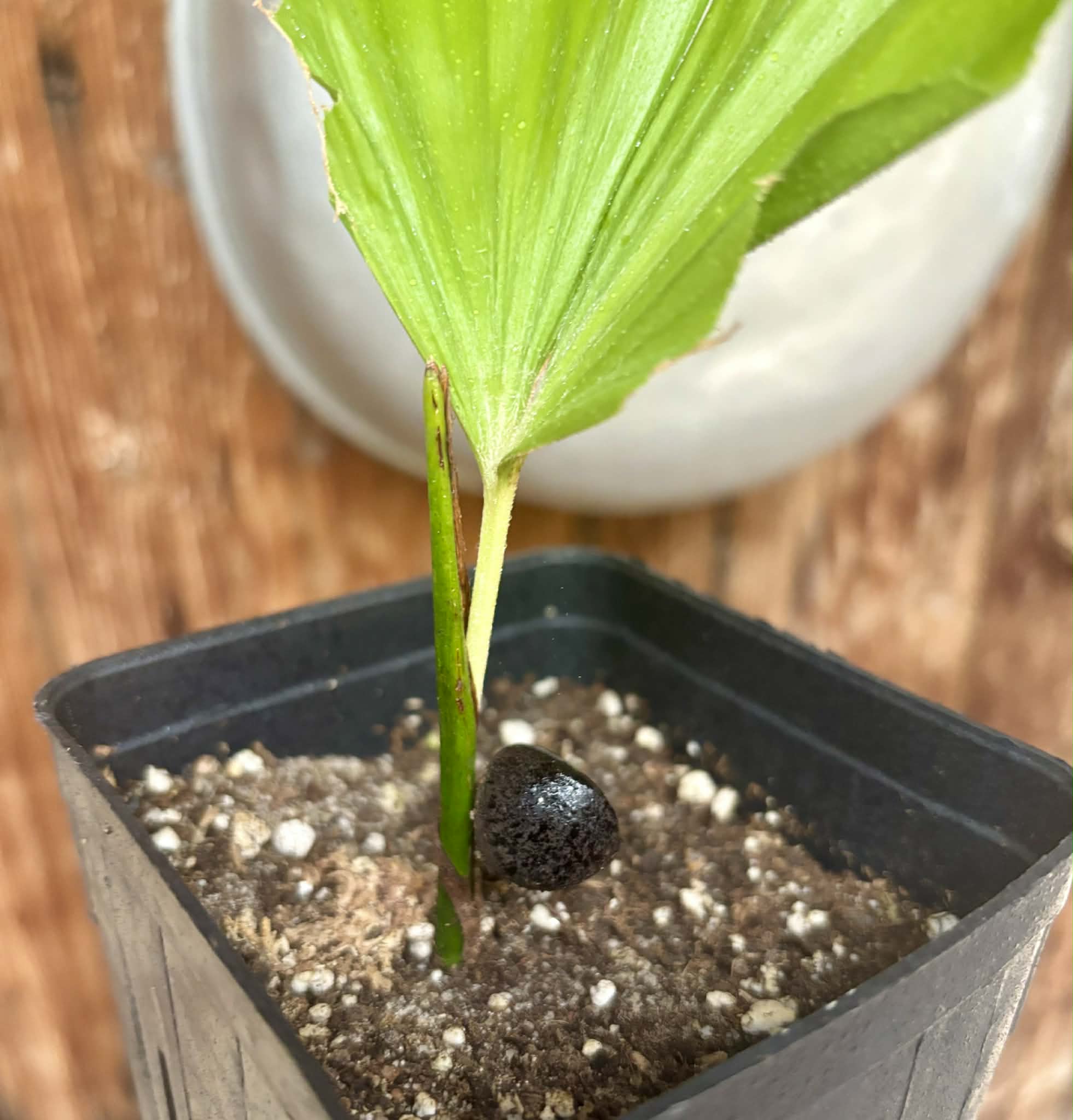
The species displays remote ligulate germination, where the rounded seed (approx. 1 cm) remains attached to a characteristic connecting stalk beside the main seedling.
The juvenile leaf (eophyll) of young seedlings displays a fan-shaped silhouette with characteristically praemorse (notched/erose) margins.
In its native range, Wallichia disticha holds traditional ethnobotanical value: the starchy pith of the trunk is harvested by local communities as an emergency source of sago starch, while the fronds and plant fibers serve traditional utilitarian purposes.
As a mid-elevation understory palm, Wallichia disticha is surprisingly resilient, shade-tolerant, and far more cold-tolerant than strictly tropical palms.
For optimal growth of young potted seedlings, it prefers a bright to partially shaded location protected from scorching sun, high atmospheric humidity, and a rich, well-draining substrate kept consistently moist.
It makes a magnificent feature plant for cool conservatories or bright indoor spaces, requiring frost-free overwintering in a bright room at a minimum temperature of 5 to 10 °C (41 to 50 °F).
Wallichia disticha / Zweizeilige Fächerpalme
Die Wallichia disticha ist eine der außergewöhnlichsten und architektonisch faszinierendsten Palmenarten der Erde aus der Familie der Arecaceae (Palmengewächse).
Beheimatet in den kühleren Bergregenwäldern Nord-Thailands sowie den Hängen des Ost-Himalaya, zeichnet sie sich durch ihren einmaligen Wuchs aus.
Botanisch wächst die Art als solitärer Stamm, dessen fiederartige Wedel sich streng zweizeilig (distich) in einer einzigen Ebene gegenüberstehen und so ein spektakuläres, flaches Fächerspalier bilden.
Die Art keimt remote ligulat: Der rundliche, etwa 1 cm große Samen verbleibt dabei an einem charakteristischen Stielchen dicht neben der eigentlichen Pflanze.
Das erste Keimblatt (Eophyll) junger Sämlinge präsentiert sich fächerförmig mit charakteristisch gezacktem, wie abgebissen wirkendem (prämorsem) Blattrand.
In ihren Ursprungsregionen besitzt Wallichia disticha eine traditionelle ethnobotanische Nutzung: Das mehlhaltige Stammbeimark dient der lokalen Bevölkerung in Notzeiten als Stärkequelle (Sago-Ersatz), während die reifenden Früchte und Wedel für traditionelle handwerkliche Zwecke verwendet werden.
Als Unterholzpalme aus höheren Lagen ist Wallichia disticha überraschend robust, schattentolerant und verträgt kühle Temperaturen deutlich besser als rein tropische Arten.
Für ein optimales Weiterwachsen der getopften Sämlinge im Kübel bevorzugt die Art einen hellen bis halbschattigen Standort ohne direkte Prallsonne, hohe Luftfeuchtigkeit und ein humusreiches, gut durchlässiges Substrat, das stetig feucht gehalten wird.
Sie eignet sich hervorragend als exklusive Wintergarten- und Zimmerpalme und muss an einem hellen Ort frostfrei bei mindestens 5 bis 10 Grad Celsius überwintert werden.
Login
We also recommend this product: / Zu diesem Produkt empfehlen wir zusätzlich: