
Plinia trunciflora "Jabuticaba de cabinho rajada da Unesp" - 1 fresh seed / 1 frischer Samen
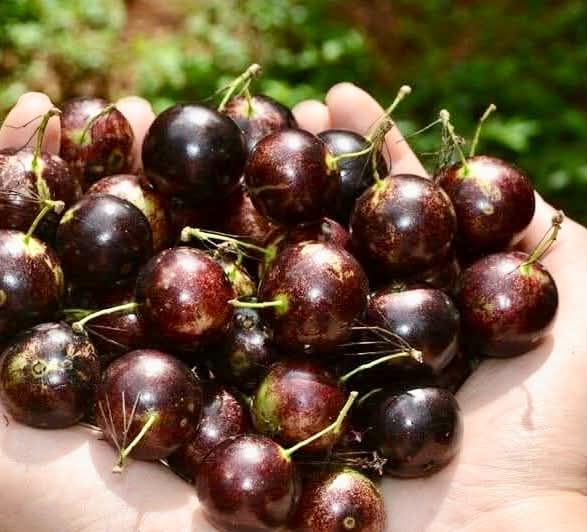
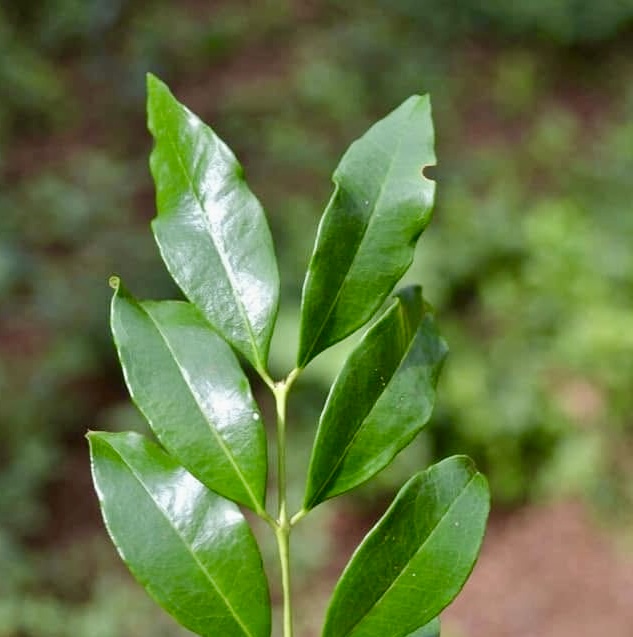
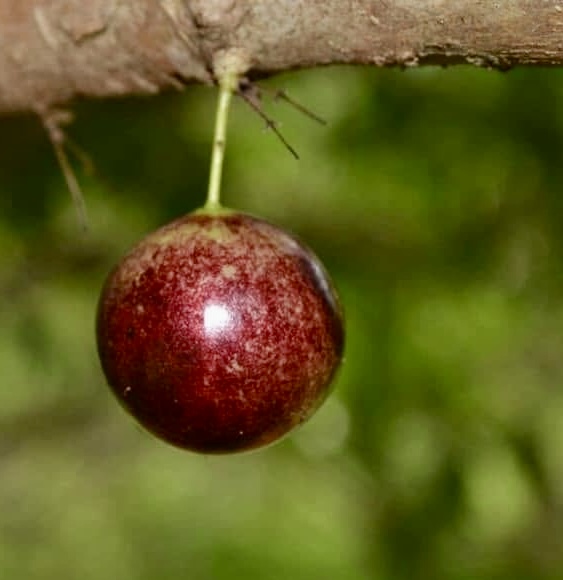
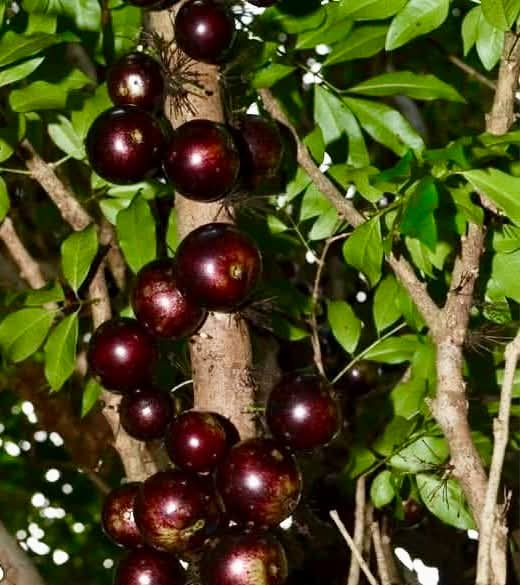
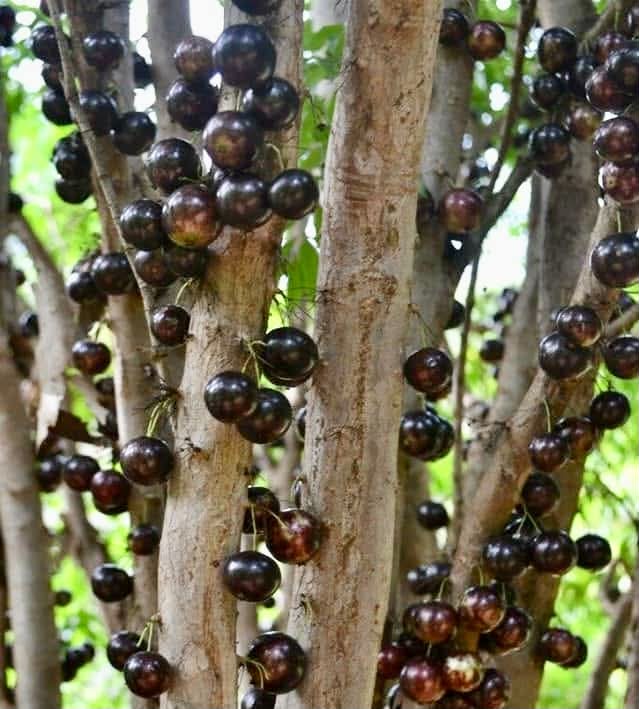
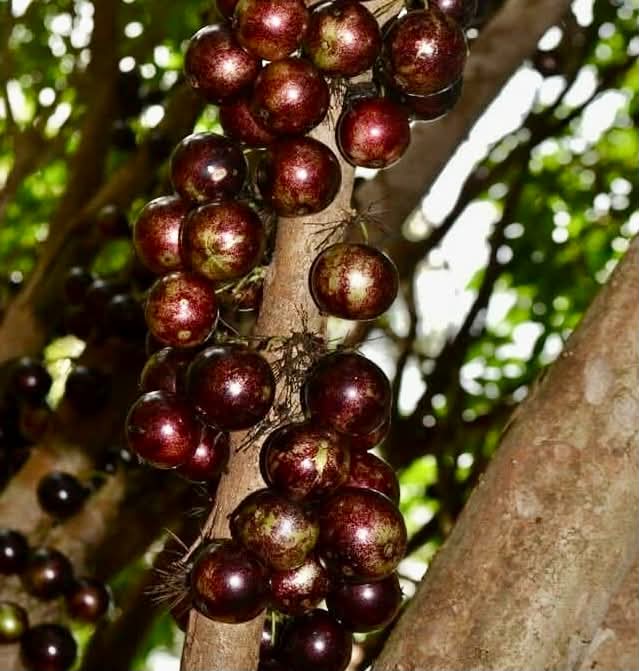
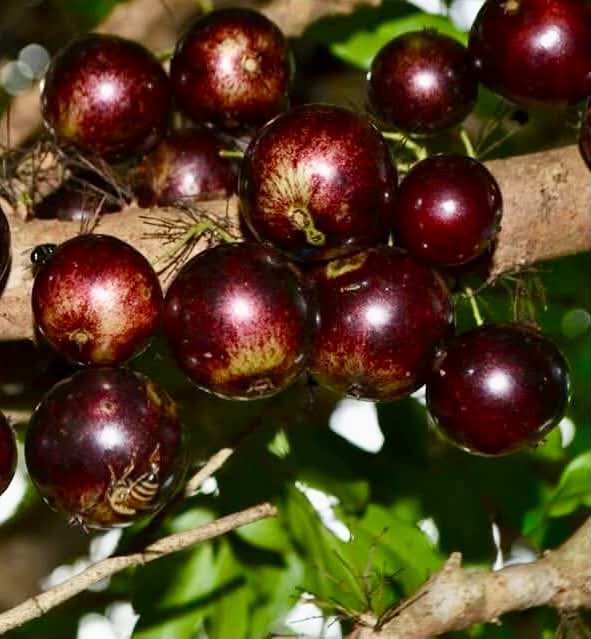
Plinia trunciflora "Jabuticaba de cabinho rajada da Unesp"
Family / Familie: Myrtaceae
origin from / Herkunft: Brasil / Brasilien
Climate / Klima: temperate to warm (10-30C / 50-86F) / gemäßigt bis warm (10-30C / 50-86F)
Use / Verwendung: edible fruits, juice, jam, ice cream, etc. / essbare Früchte, Säfte, Marmelade, Eis usw.
you buy / sie kaufen: 1 fresh seed / 1 frischer Samen
Delivery worldwide
Plinia trunciflora "Jabuticaba-de-cabinho-rajada-da-Unesp" / Striped Long-Stem Jabuticaba
Plinia trunciflora "Jabuticaba-de-cabinho-rajada-da-Unesp" is an exceptionally rare and highly prized selection belonging to the Myrtle family (Myrtaceae). Originating from the renowned botanical collection at UNESP University in Jaboticabal, São Paulo (Brazil), this cultivar is considered a true treasure among rare fruit collectors. Botanically, the species forms a graceful tree reaching 4 to 8 meters in height with a dense canopy and smooth, exfoliating bark. Unlike standard jabuticaba varieties, its fruits are borne on notably long pedicels (cabinho) directly along the trunk and older branches. The large, spherical berries feature a smooth, glossy skin that ripens to a deep purplish-black adorned with distinctive, subtle striping (rajada). In terms of flavor, this selection belongs to the top tier: beneath the thin skin lies a juicy, translucent pulp with remarkable, rich sweetness and delicate aromatic notes, making it ideal for fresh consumption. Because jabuticaba seeds are recalcitrant and lose viability quickly, these fresh seeds should be sown immediately upon arrival into a moist, airy, slightly acidic medium such as sphagnum moss or a loose coco-perlite mix. For optimal growth of young seedlings, provide a bright to partially shaded position with consistent substrate moisture and rich, acidic soil. As a subtropical to tropical fruit tree, it adapts wonderfully to container culture and should be overwintered frost-free in a bright location at a minimum temperature of 5 to 10 °C (41 to 50 °F).
Plinia trunciflora "Jabuticaba-de-cabinho-rajada-da-Unesp" / Gestreifte Langstiel-Jabuticaba
Die Plinia trunciflora "Jabuticaba-de-cabinho-rajada-da-Unesp" ist eine außergewöhnlich seltene und begehrte Selektion aus der Familie der Myrtengewächse (Myrtaceae). Diese besondere Kultursorte stammt ursprünglich aus der renommierten Sammlung der Universität UNESP in Jaboticabal im brasilianischen Bundesstaat São Paulo und gilt unter Sammlern als echte Rarität. Botanisch wächst die Art als eleganter, 4 bis 8 Meter hoher Obstbaum mit einer dichten, dekorativen Krone und einer glatten, leicht abblätternden Rinde. Im Gegensatz zur klassischen Jabuticaba hängen die Früchte bei dieser Art an auffällig langen Stielen (cabinho) direkt am Stamm und an älteren Ästen. Die großen, kugeligen Beeren besitzen eine glatte, glänzende Schale, die bei Vollreife eine edle dunkelviolette bis schwarze Färbung mit feiner, charakteristischer Streifung (rajada) zeigt. Geschmacklich zählt diese Selektion zur absoluten Spitzenklasse: Unter der dünnen Schale verbirgt sich ein saftiges, durchscheinendes Fruchtfleisch von außergewöhnlicher, intensiver Süße und feinem Aroma, das sich hervorragend zum Frischverzehr eignet. Da Jabuticaba-Samen nur kurz keimfähig sind (rekalzitrantes Saatgut), sollten diese frischen Samen direkt nach Erhalt in ein feuchtes, luftiges und leicht saures Substrat (zum Beispiel Sphagnum-Moos oder eine lockere Kokos-Perlite-Mischung) ausgesät werden. Für ein optimales Gedeihen der späteren Jungpflanzen empfiehlt sich ein heller bis halbschattiger Standort mit gleichmäßiger Bodenfeuchte und leicht saurem, humusreichem Substrat. Als subtropisch-tropische Wildfrucht-Selektion ist die Pflanze im Kübel sehr gut kultivierbar, sollte jedoch hell und frostfrei bei mindestens 5 bis 10 Grad Celsius überwintert werden.
Login