
Cola acuminata - 1 potted seedling / 1 getopfter Sämling
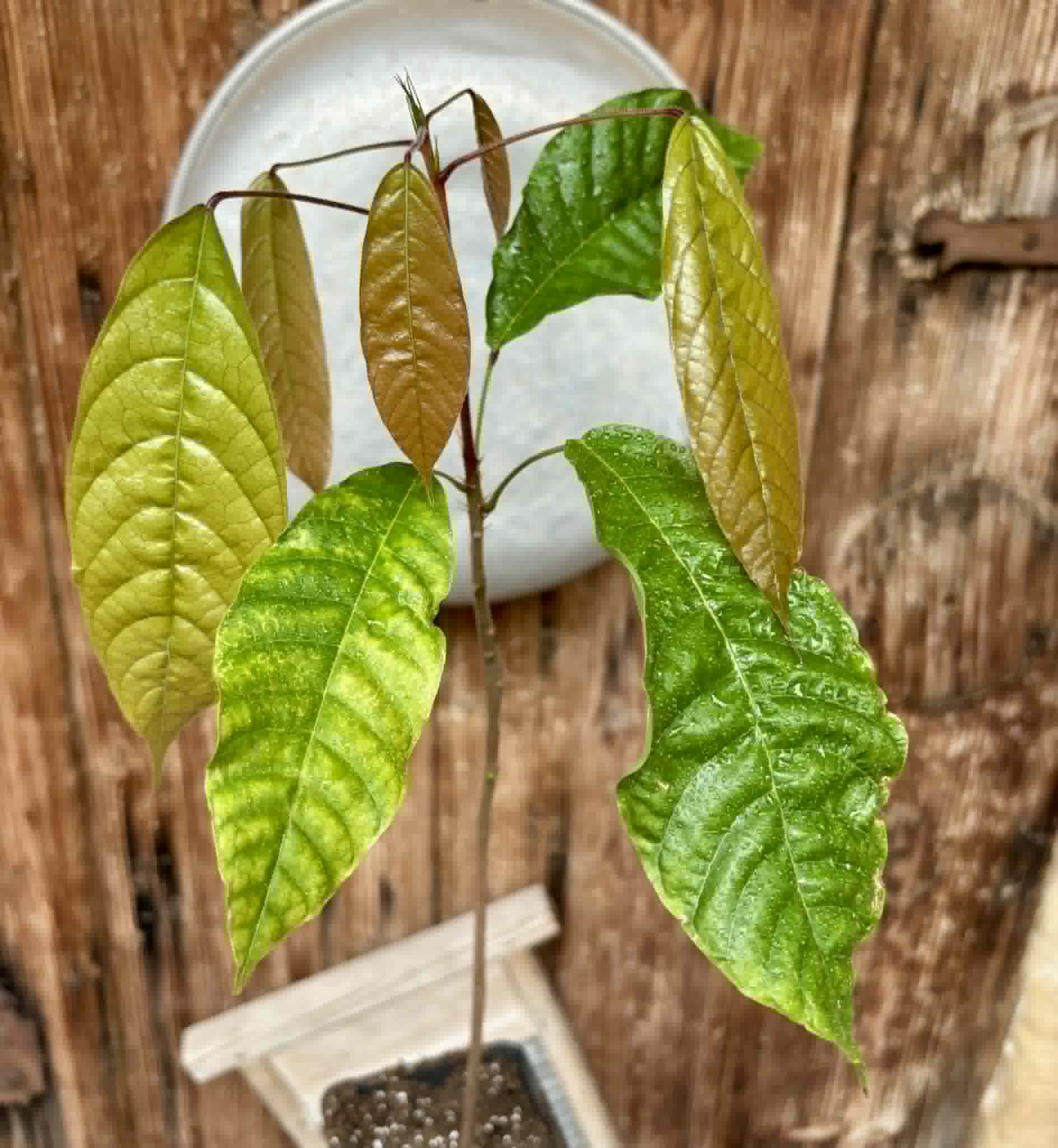
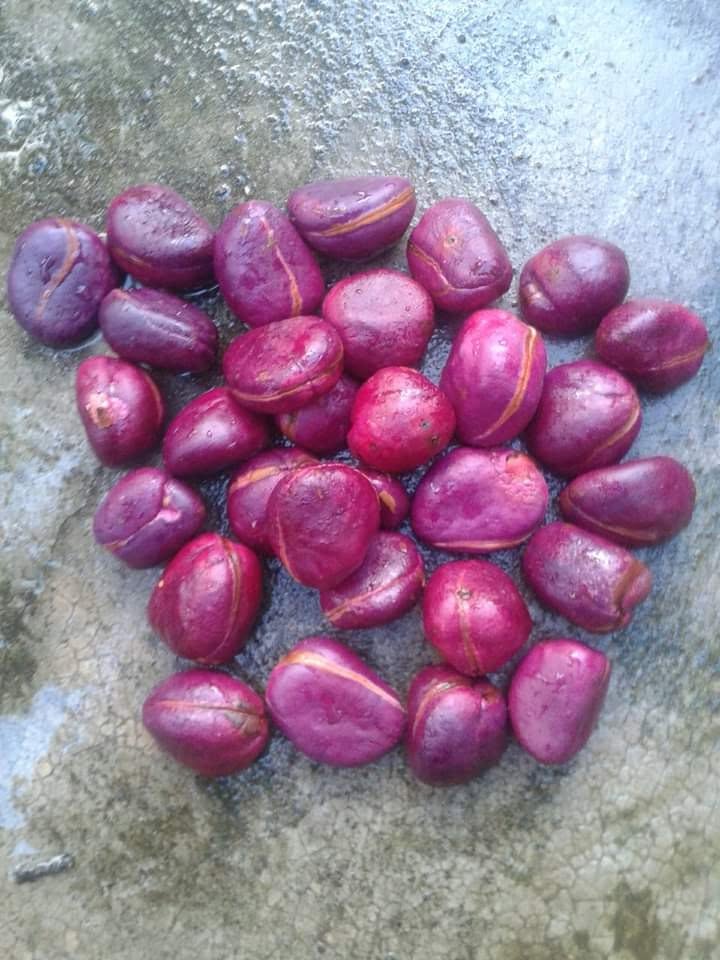
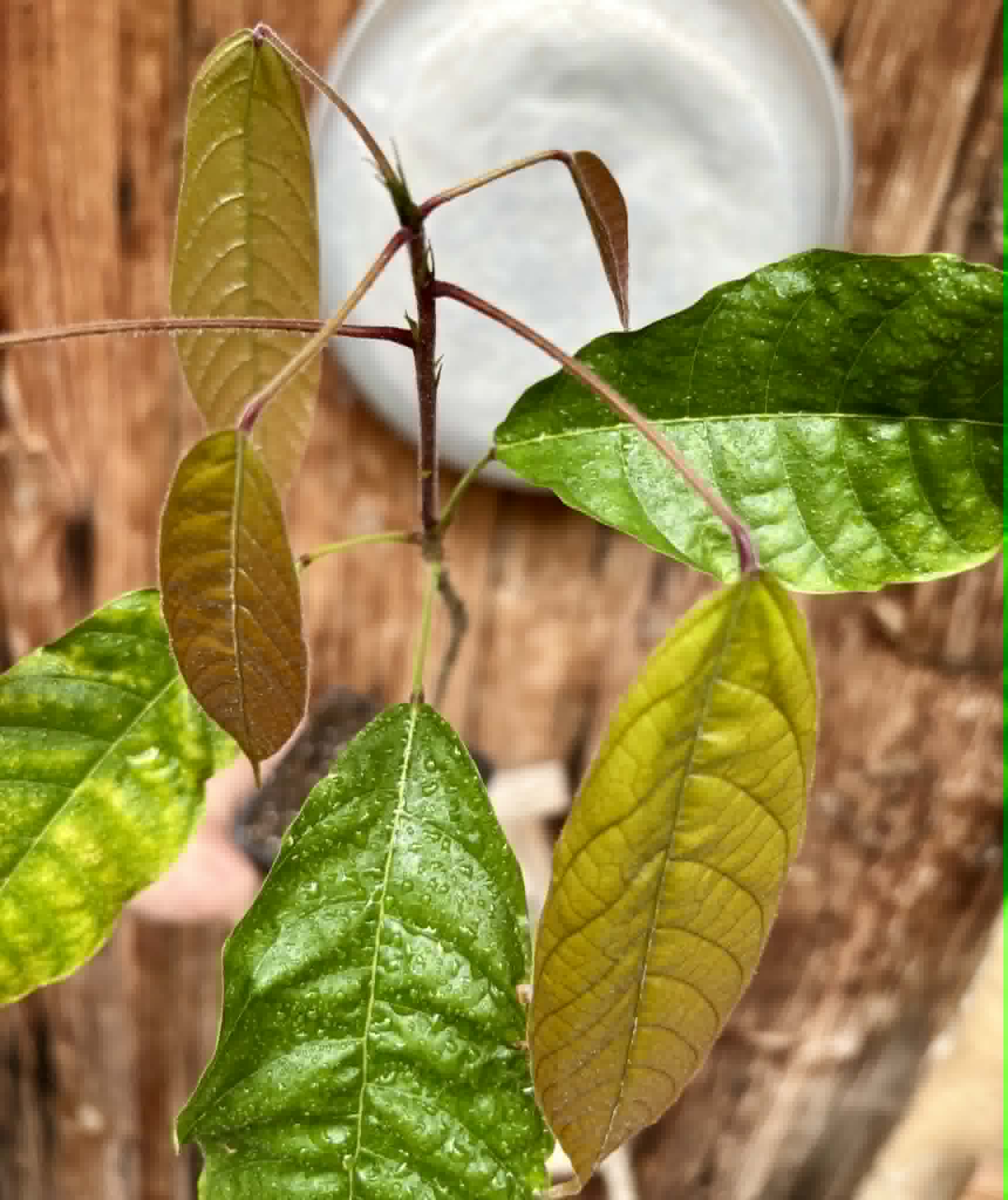
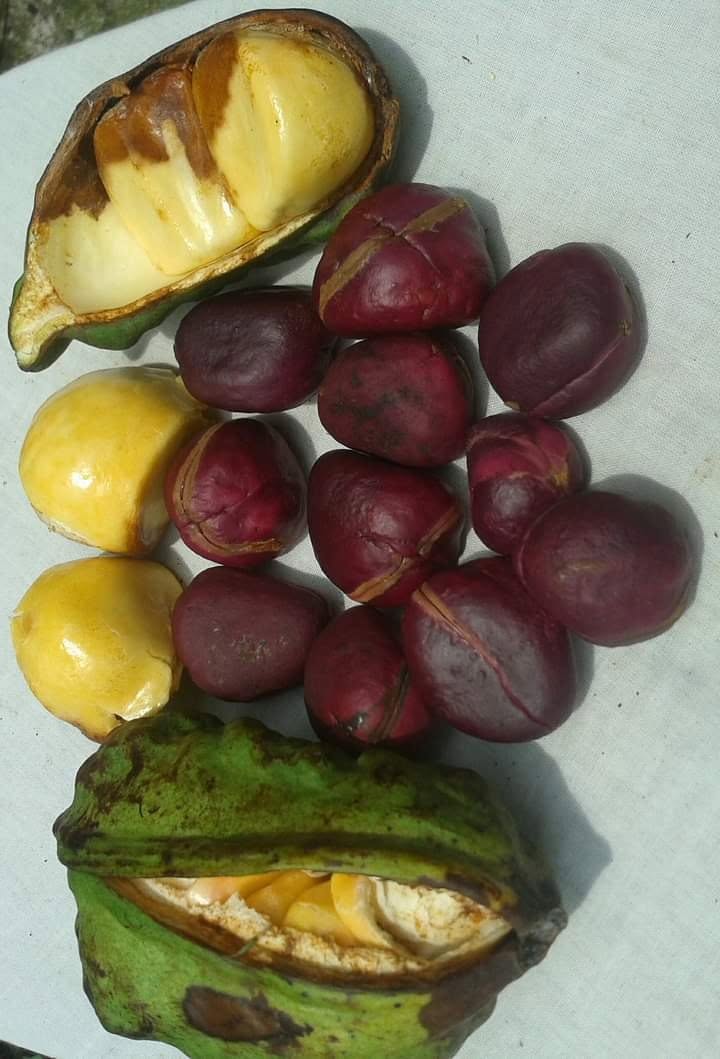
Cola acuminata
Family / Familie: Malvaceae
origin from / Herkunft: Africa / Afrika
Climate / Klima: temperate to warm (10-30C / 50-86F) / gemäßigt bis warm (10-30C / 50-86F)
Use / Verwendung: juice, jam, ice cream, etc. / Säfte, Marmelade, Eis usw.
you buy / sie kaufen: 1 potted plant / 1 getopfte Pflanze
Delivery EU only
Cola acuminata / True Kola Nut
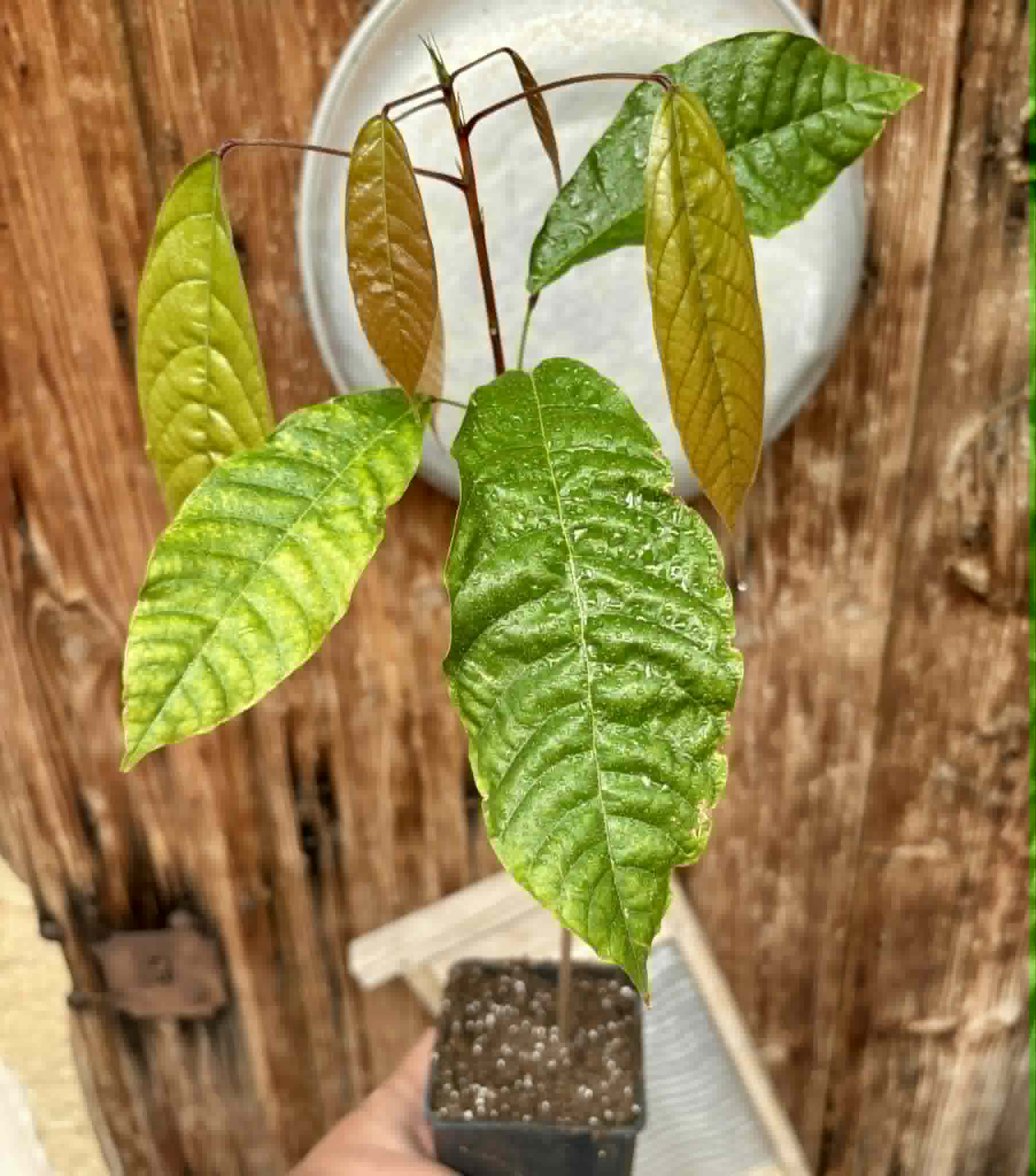
Cola acuminata, commonly known as the True Kola Nut or Small Kola Nut, is a fascinating evergreen tree in the mallow family.
The native habitat of Cola acuminata lies within the tropical rainforests of Central and West Africa, spanning countries such as Nigeria, Cameroon, Gabon, and the Congo.
In its native environment, it develops into a stately tree, but it can be easily kept compact when grown in a container.
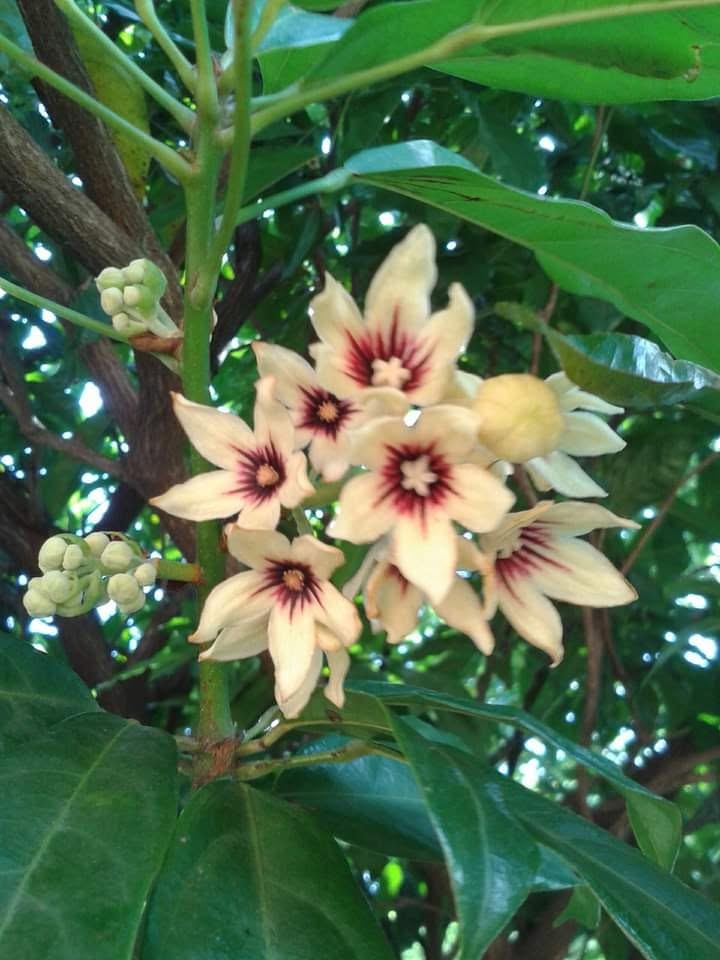
The plant features large, leathery, glossy green leaves and, after a few years, produces star-shaped, cream-white to yellowish flowers with distinct reddish streaks.
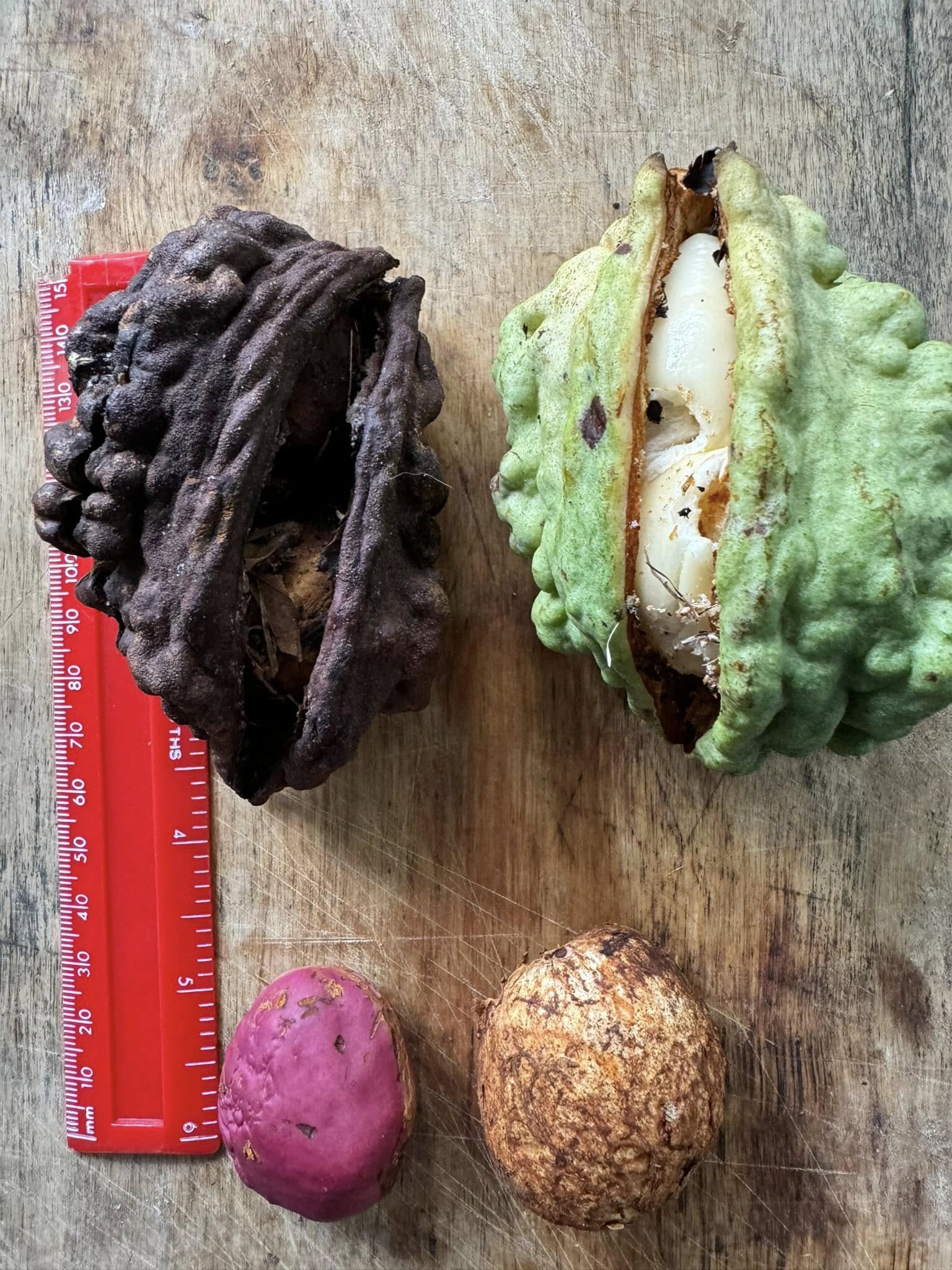
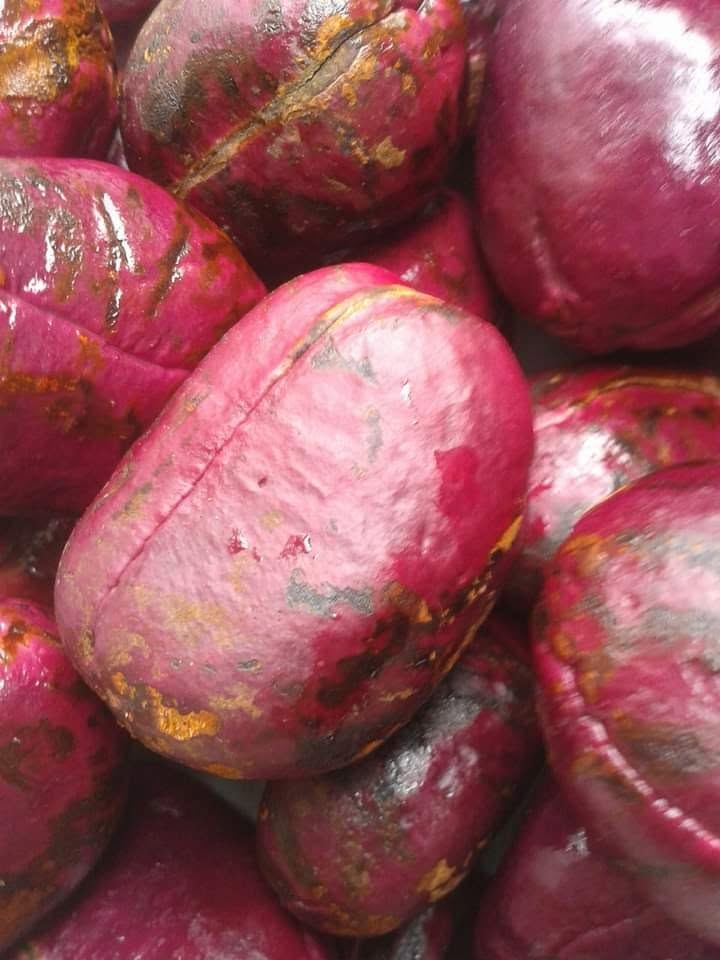
These develop into characteristic, star-arranged woody pods containing the valuable kola nuts inside.
The kola nut is globally famous as the original, namesake flavoring agent for the world-renowned soft drink "Cola."
The seeds are naturally rich in caffeine and the heart-stimulating alkaloid theobromine.
In Central and West Africa, the nut has a centuries-old tradition and is chewed by locals as a traditional stimulant to dispel fatigue, suppress hunger, and enhance concentration.
Furthermore, it holds immense cultural significance, is widely used in traditional ceremonies, and is frequently presented as a symbol of hospitality during greetings, weddings, and celebrations.
Today, kola nut extracts are used not only in the beverage industry but also in herbal medicine and various energizing supplements.
As a true rainforest plant, Cola acuminata thrives in high humidity year-round and prefers a nutrient-rich, well-draining substrate.
Due to its excellent tolerance to pruning, it makes an outstanding and unique container plant.
Since it cannot tolerate any frost and is not winter-hardy in Central Europe, overwintering must take place in a very bright, warm location with temperatures maintained at a minimum of 15 degrees Celsius.
Cola acuminata / Echte Kolanuss
Die Cola acuminata, auch bekannt als die Kleine oder Echte Kolanuss, ist ein faszinierender, immergrüner Baum aus der Familie der Malvengewächse.
Die ursprüngliche Heimat der Cola acuminata liegt in den tropischen Regenwäldern Zentral- und Westafrikas, wo sie in Ländern wie Nigeria, Kamerun, Gabun und Kongo beheimatet ist.
In ihrer Heimat wächst sie zu einem stattlichen Baum heran, lässt sich im Kübel jedoch wunderbar kompakt halten.
Die Pflanze bildet große, ledrige, glänzend grüne Blätter aus und bringt nach einigen Jahren sternförmige, cremeweiße bis gelbliche Blüten mit auffälligen rötlichen Streifen hervor.
Aus diesen entwickeln sich die charakteristischen, sternförmig angeordneten Balgfrüchte, die im Inneren die wertvollen Kolanüsse enthalten.
Die Kolanuss ist weltbekannt als der ursprüngliche, namensgebende Geschmacksträger für das weltberühmte Erfrischungsgetränk „Cola“.
Die Samen sind von Natur aus reich an Koffein sowie dem herzanregenden Theobromin.
In Zentral- und Westafrika hat die Nuss eine Jahrhunderte alte Tradition und wird dort von Einheimischen klassisch als Genussmittel gekaut, um Müdigkeit zu vertreiben, den Hunger zu dämpfen und die Konzentration zu steigern.
Darüber hinaus besitzt sie einen enorm hohen kulturellen Stellenwert, wird bei traditionellen Zeremonien genutzt und oft als Symbol der Gastfreundschaft bei Begrüßungen, Hochzeiten und Festen gereicht.
Heute finden Extrakte der Kolanuss neben der Getränkeindustrie auch in der Naturheilkunde und in verschiedenen Nahrungsergänzungsmitteln Verwendung.
Als echte Regenwaldpflanze liebt die Cola acuminata eine ganzjährig hohe Luftfeuchtigkeit und ein nährstoffreiches, gut durchlässiges Substrat.
Durch ihre gute Schnittverträglichkeit lässt sie sich hervorragend als außergewöhnliche Rarität im Kübel kultivieren.
Da sie absolut keinen Frost verträgt und in Mitteleuropa nicht winterhart ist, muss die Überwinterung an einem sehr hellen, warmen Ort bei Temperaturen von idealerweise mindestens 15 Grad erfolgen.
Login